
Meet the Shibadox: A Fiercely Loyal Hybrid

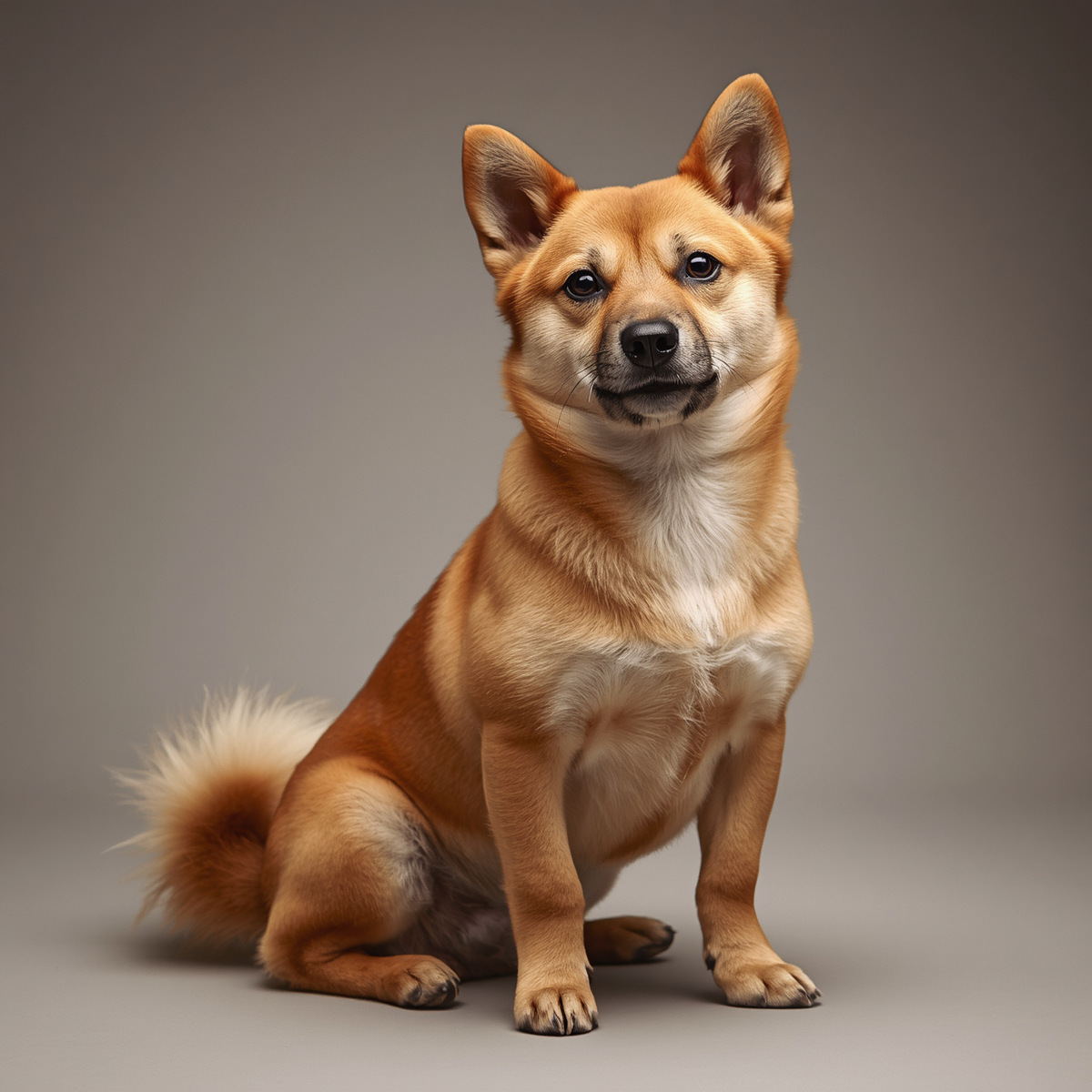
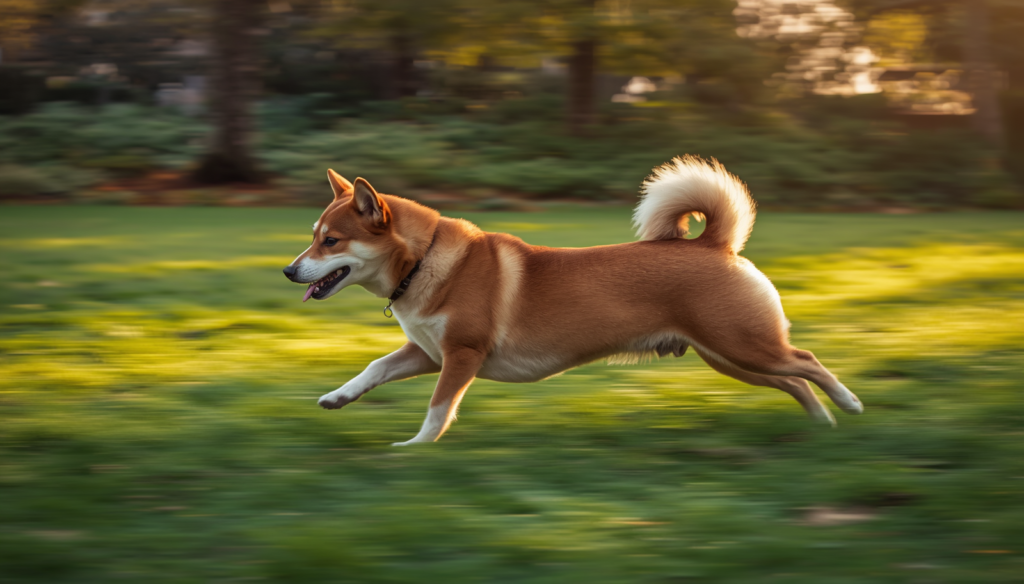
A shiba inu dachshund mix, nicknamed the Shibadox, is a small dog of 9 to 25 pounds with a Shiba’s fox-like face on a Dachshund’s long body. The size depends mostly on whether the Dachshund parent was a miniature or a standard. With good care it can live 12 to 16 years.
The shiba inu dachshund mix affectionately nicknamed the Shibadox or Shibashund is one of the most intriguing designer dog hybrids gaining quiet momentum in the dog-loving community. And while it hasn’t yet cracked mainstream popularity charts, those who’ve welcomed one into their homes rarely look back.
This guide covers everything: personality, health, training, size, grooming, and the honest-to-goodness reality of living with this unique hybrid. Whether you’re considering adding a shiba inu dachshund mix to your family or simply curious, let’s dig in.
What Exactly Is a Shiba Inu Dachshund Mix?
The shiba inu dachshund mix is a crossbreed between the ancient Japanese Shiba Inu and the German Dachshund two hunting dogs from entirely different continents, brought together in one surprisingly harmonious package. The hybrid is recognized by the Designer Dog Registry and the International Designer Canine Registry, though it hasn’t yet earned AKC recognition as a formal breed.
Both parent breeds share more common ground than their appearances suggest. The Shiba Inu was bred to hunt small game in Japan’s mountainous terrain, while the Dachshund was originally developed in Germany for badger and fox hunting. Their offspring inherits that hunting instinct naturally and every walk with a shiba inu dachshund mix will remind you of it.
According to the American Kennel Club’s 2025 breed popularity rankings, the Dachshund broke into the Top 5 most popular breeds in the United States for the first time in over two decades a testament to just how beloved the Dachshund lineage remains. The Shiba Inu, meanwhile, has grown from a breed almost unknown outside Japan in the 1950s to a globally recognized icon. Combined, the shiba inu dachshund mix draws on two deeply beloved breed legacies.
Physical Traits: What Does a Shibadox Look Like?
One of the most exciting and unpredictable parts of owning a shiba inu dachshund mix is the physical variety. Since this is a first-generation hybrid, there’s no exact template.
Size, Weight, and Build
The adult shiba inu dachshund mix typically grows between 30 and 45 cm in height and can weigh anywhere from 9 to 25 pounds, depending on whether the Dachshund parent was standard, miniature, or toy-sized. This makes the Shibadox a small-to-medium dog, well-suited to apartment living and smaller homes.
Coat, Color, and Markings
Most shiba inu dachshund mix dogs display coats in red, black, or gray, often with tan or white markings. Some even sport a striking “wolf face” pattern. The coat texture depends on whether the Dachshund side was smooth, long-haired, or wire-haired adding yet another layer of beautiful unpredictability.
The Look That Turns Heads
What almost every shiba inu dachshund mix owner reports is this: their dog stops strangers in the street. There’s something about the fox-like brightness of the Shiba’s expression layered onto the Dachshund’s grounded, elongated frame that is just undeniably magnetic.
Temperament: Bold, Curious, and Fiercely Loyal
If I had to describe the personality of a shiba inu dachshund mix in three words, I’d say: independent, playful, and devoted. These dogs don’t hand out their affection indiscriminately they choose their people, and once they do, that loyalty is iron-clad.
The Independent Streak
Both the Shiba Inu and the Dachshund are famously independent breeds. The Japanese even use three specific words to describe the Shiba’s ideal temperament: kan-i (bold courage), ryosei (good nature), and soboku (artless sincerity). The shiba inu dachshund mix inherits this dignified, self-possessed quality. Don’t expect a dog that hangs on your every word expect a dog that respects you when you’ve earned it.
With Families and Children
The shiba inu dachshund mix does well with families, particularly those with older children who understand canine boundaries. They can be slightly possessive around their belongings toys, beds, food bowls so early socialization and consistent rules matter. With proper introductions, they can also coexist with other pets.
Watchdog Instincts
Alert and observant, the shiba inu dachshund mix makes a surprisingly effective watchdog for its size. They are quick to notice changes in their environment and will vocalize when something feels off. This isn’t excessive barking it’s purposeful alerting, inherited from two lines of hunting dogs.
Health and Lifespan: What to Expect
One of the genuine advantages of choosing a shiba inu dachshund mix is hybrid vigor the tendency of crossbreeds to be healthier than their purebred parents due to increased genetic diversity.
Lifespan
A well-cared-for shiba inu dachshund mix can live between 12 and 16 years. Some sources place the range at 12 to 15 years, making this a long-lived companion by most standards. The oldest known Shiba Inu lived to 26 years so genetics can be kind.
Common Health Concerns
| Health Concern | Inherited From | Notes |
|---|---|---|
| Intervertebral Disc Disease (IVDD) | Dachshund | Risk rises if dog inherits elongated Dachshund spine |
| Hip Dysplasia | Shiba Inu | More common in active breeds; manageable with early diagnosis |
| Progressive Retinal Atrophy (PRA) | Shiba Inu | Eye screening recommended |
| Patellar Luxation | Both breeds | Monitor for hind-leg lameness |
| Metabolic & Thyroid Issues | Dachshund | Routine vet bloodwork helps catch early |
The shiba inu dachshund mix is generally considered a healthy hybrid, but prospective owners should be aware that if their dog inherits the Dachshund’s characteristically long back and short legs, spinal health becomes a priority. Avoiding high jumps and using ramps instead of stairs can significantly reduce disc injury risk.
For more on managing a long-backed dog’s health day-to-day, explore our Dachshund Guides for practical tips used by thousands of owners.
Training a Shiba Inu Dachshund Mix: Patience Is Your Superpower
Let me be direct here: training a shiba inu dachshund mix is not for the easily frustrated. These dogs are intelligent sometimes too intelligent. They understand what you’re asking. They’re just evaluating whether it’s worth complying.
Start Early, Stay Consistent
Early socialization and obedience training are non-negotiable for a shiba inu dachshund mix. Puppy classes, positive reinforcement, and short, engaging training sessions yield the best results. The moment sessions become repetitive or punitive, a Shibadox will disengage entirely.
Reward-Based Methods Work Best
According to canine behavior experts, reward-based training is the most effective approach for independent-minded breeds like the Shiba Inu. This translates directly to the shiba inu dachshund mix high-value treats, verbal praise, and play rewards outperform any correction-based approach.
Leash and Recall Training
Given both parents’ hunting heritage, a shiba inu dachshund mix has a strong prey drive. Solid leash manners and a reliable recall are essential before any off-leash time. A securely fenced yard is a smart investment.
Exercise and Activity Needs: More Than a Lap Dog
Don’t let the compact size fool you. A shiba inu dachshund mix needs regular, meaningful exercise to stay physically and mentally balanced.
Daily walks two to three per day combined with interactive play sessions are the sweet spot. The shiba inu dachshund mix enjoys games that engage their nose and hunting instincts: scent trails, fetch, puzzle feeders, and sniff walks where they’re allowed to explore at their own pace.
Mental stimulation is just as important as physical activity. A bored shiba inu dachshund mix will find its own entertainment and you may not love what it chooses.
Grooming: Manageable but Consistent
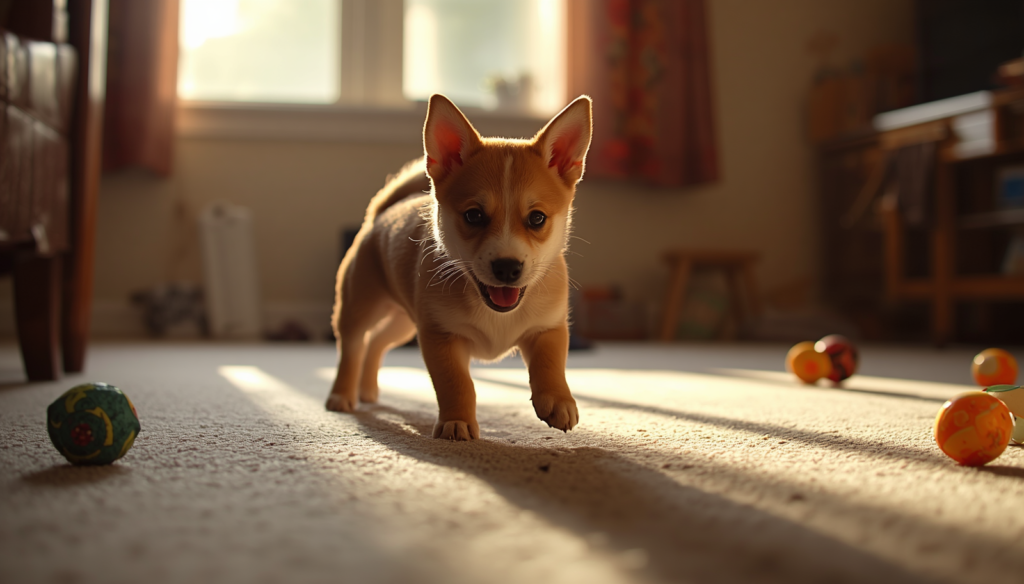
Grooming needs for the shiba inu dachshund mix are moderate, depending heavily on which coat type they inherit.
- Smooth coat (Dachshund-dominant): Weekly brush, occasional bath
- Double coat (Shiba-dominant): Brush two to three times weekly; heavy shedding twice yearly during “blow coat” seasons
- Long or wire coat: More frequent brushing, occasional trimming
Ears should be checked weekly, nails trimmed monthly, and teeth brushed several times a week to maintain dental health a common neglect point in small-breed dogs.
Is a Shiba Inu Dachshund Mix Right for You?
The shiba inu dachshund mix is a wonderful dog but it’s not a dog for everyone. Here’s an honest compatibility snapshot:
Best suited for:
- Experienced dog owners who understand independent breeds
- Active individuals or families with older children
- People in apartments or smaller homes who can commit to daily walks
- Owners who enjoy a dog with personality and sass
May be challenging for:
- First-time dog owners expecting easy obedience
- Families with very young children or small pets (without careful socialization)
- Owners who want a dog that’s always eager to please
The rise of designer dogs has been notable across North America. According to the AVMA 2024 Pet Ownership Sourcebook, rescued mixed breeds now outnumber AKC-registered purebred dogs in U.S. homes a shift that reflects growing appreciation for the unique personalities and health benefits hybrid dogs often bring. The shiba inu dachshund mix is a perfect example of a hybrid that rewards the right owner handsomely.
Finding a Shiba Inu Dachshund Mix
Because the shiba inu dachshund mix is still relatively uncommon, finding one requires some persistence. Options include:
- Reputable breeders: Look for breeders who health-test both parents and allow you to meet the dam. Avoid puppy mills or “designer dog” operations prioritizing profit over welfare.
- Rescue organizations: Shiba Inu and Dachshund breed-specific rescues occasionally have mixes available for adoption.
- Shelters: Mixed breed dogs regularly appear in local shelters sometimes without being identified as Shibadoxes, so a DNA test can help confirm.
When purchasing from a breeder, always ask for health clearances for both parents, particularly for IVDD in Dachshunds and PRA in Shiba Inus.
Frequently Asked Questions (FAQ)
Q1: What is a Shiba Inu Dachshund mix called?
The Shiba Inu Dachshund mix is commonly known as a Shibadox, though you may also hear names like Shibashund or Shibadach. These are informal names and not officially standardized, but Shibadox is the most widely used.
Q2: How long does a Shiba Inu Dachshund mix live?
A healthy Shiba Inu Dachshund mix typically lives between 12 and 16 years. Proper diet, regular exercise, routine veterinary care, and spinal health management all contribute to a longer lifespan.
Q3: Are Shiba Inu Dachshund mixes good with kids?
Yes, but mainly with older, respectful children. This mix can be independent and may not tolerate rough handling. Early socialization and proper training are essential for good behavior around kids.
Q4: Is the Shiba Inu Dachshund mix easy to train?
Not really. This breed mix is intelligent but highly independent. Training requires patience, consistency, and positive reinforcement, but early effort leads to a well-behaved companion.
Q5: Does the Shiba Inu Dachshund mix shed a lot?
Yes, moderately. Shedding is year-round and can be heavier if the dog inherits the Shiba Inu’s double coat. Regular brushing helps manage loose hair, but it may not be ideal for allergy-sensitive owners.
