
Blue Heeler Dachshund Mix: What You Need to Know

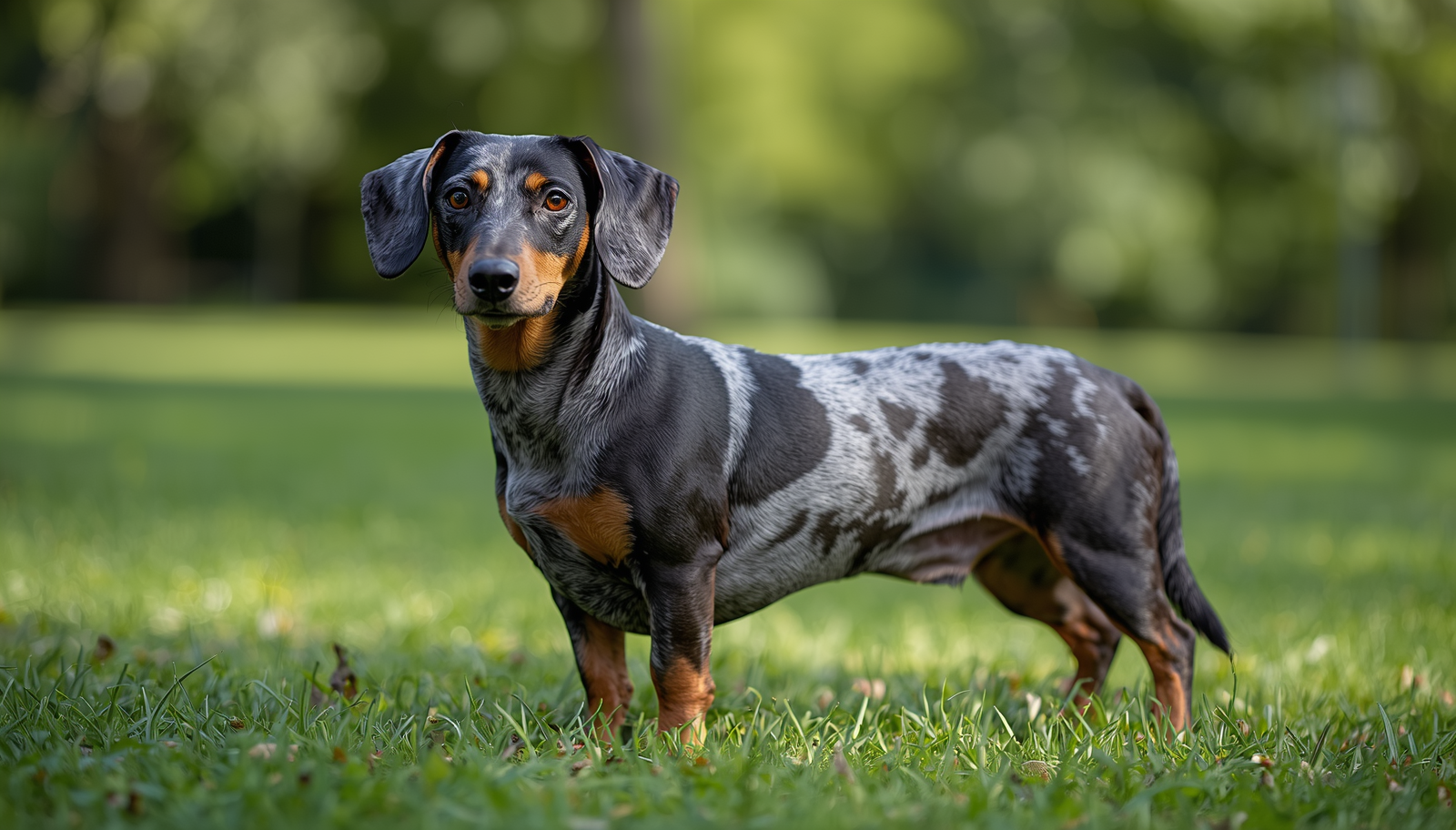
I still remember the first time I spotted a blue heeler dachshund mix at a local adoption fair. This little dog had the long, sausage-like body of a Dachshund but the electric, alert eyes of an Australian Cattle Dog. He was pacing back and forth, curious about everything, completely unstoppable. I didn’t adopt him that day but I never stopped thinking about him, either.
That encounter sent me down a rabbit hole. Turns out, the blue heeler dachshund mix is one of the most fascinating hybrid dogs you’ve probably never heard of. And given that non-designer mixed breeds are now the most popular dog type in America, it’s the perfect time to talk about this underrated gem.
What Exactly Is a Blue Heeler Dachshund Mix?
The blue heeler dachshund mix also called the Doxie Heeler is a cross between the Australian Cattle Dog (commonly nicknamed the Blue Heeler) and the Dachshund. This crossbreed combines a hunting breed with a herding breed into one uniquely energetic package.
Both parent breeds bring a strong work ethic to the table. The Australian Cattle Dog is a tough, hard-working dog developed in Australia during the 19th century by mixing native Dingoes with Collies bred specifically to herd cattle across vast distances. The Dachshund, on the other hand, was developed in 16th-century Germany to hunt badgers, crawling into burrows with those famously short legs and long bodies.
Put those two together and you get a blue heeler dachshund mix that is bold, curious, intelligent, and perpetually on the move.
The Rise of Designer and Mixed Breeds in 2026
Before we dive into the specifics, let’s zoom out for a second. The blue heeler dachshund mix exists within a broader cultural moment for hybrid dogs.
A 2024 Rover survey shows Gen Z pet parents are 60% more likely to choose mixed or designer breeds, while Boomers tend to stick with classic purebreds. According to the American Veterinary Medical Association, up to 53% of dogs in US homes are mixed breeds. The AVMA 2024 Pet Ownership Sourcebook also confirms that rescued mixed breeds now outnumber AKC-registered purebred dogs in American homes.
This exciting hybrid fits right into that wave an uncommon but increasingly appreciated crossbreed for owners who want something a little different.
Physical Appearance: What Does a Doxie Heeler Look Like?
One of the most fun things about the blue heeler dachshund mix is how unpredictably gorgeous they are. Every single dog can look different from the next.
The Doxie Heeler often has the build of a Dachshund short legs and a long, elongated spine combined with an athletic body and the intelligent expression of the Australian Cattle Dog. The coat can be short to medium in length, appearing in colors including blue, red, black, or combinations thereof.
The Doxie Heeler can have long ears which may be upright, flopped, or even one of each. Coat colors range from black, sable, brown, cream, blue, brindle, and red with some individuals even displaying spots reminiscent of a Dalmatian.
In terms of size, this compact crossbreed generally lands somewhere between the two parent breeds. Expect a dog that weighs between 20–35 lbs, depending on which parent’s genes dominate.
Temperament: Bold, Brainy, and Bonded to You
If you’re looking for a lap dog that’s content to snooze all day, the blue heeler dachshund mix is going to surprise you in the best and most exhausting way possible.
Blue Doxies are energetic, intelligent, and devoted. They inherit the Blue Heeler’s herding instincts and the Dachshund’s curiosity, making them active and engaging pets that need both mental and physical challenges.
Australian Cattle Dogs are tremendously intelligent and hard-working, characterized by an intense protective nature toward their owners. They bond strongly to their person and are curious but wary of strangers. The Dachshund adds warmth, playfulness, and a stubborn streak that keeps life interesting.
What does this look like in practice? Your Doxie Heeler may try to “herd” your kids, nip at heels during play, or follow you from room to room. They are classic “velcro dogs” always nearby, always watching, always ready for whatever comes next.
If the blue heeler dachshund mix is given proper training and exercise from an early age, they will turn out to be great pets for the family and will love to play with children.
Training the Blue Heeler Dachshund Mix
Training is where this mix will both impress and test you. The Blue Heeler side makes this dog extraordinarily quick to learn commands. The Dachshund side introduces a stubborn, independent streak that can make “stay” feel like a negotiation.
The Doxie Heeler is well suited for various activities such as obedience training, dog sports, and even herding. He can be adaptable to living in a house with a yard as well as an apartment, as long as he is kept busy enough.
Consistency is everything. Short, reward-based training sessions work best with this intelligent hybrid. Start socialization early expose them to children, strangers, and other animals before bad habits take root. Puzzle toys, agility courses, and interactive games are all great mental workout tools.
For more breed-specific training insights, check out our Dachshund Guides for proven tips that apply directly to Dachshund-mix training challenges.
Exercise Needs: This Dog Was Born to Move
The blue heeler dachshund mix is not a low-energy breed not even close. Both parent breeds were built to work, and that drive doesn’t disappear in the hybrid.
The Blue Doxie loves activities that challenge their minds and bodies including agility, obedience, and interactive play. They thrive with purpose.
Plan for at least 60 minutes of active exercise daily. Long walks, fetch sessions, hiking, and even swimming are all great outlets. Without adequate exercise, this dog can develop destructive behaviors chewing, barking, and digging are all fair warnings from a bored Doxie Heeler.
| Activity Type | Recommended Frequency | Benefit |
|---|---|---|
| Leash Walks | 2x daily (30 min each) | Burns energy, reinforces heel training |
| Off-leash Play | 3–4x per week | Builds social skills and agility |
| Mental Puzzle Toys | Daily | Satisfies herding and hunting instinct |
| Obedience Training | 5–10 min daily | Reinforces commands, strengthens bond |
| Agility or Fetch | 2–3x per week | Full-body workout, reduces boredom |
Health Considerations for the Doxie Heeler
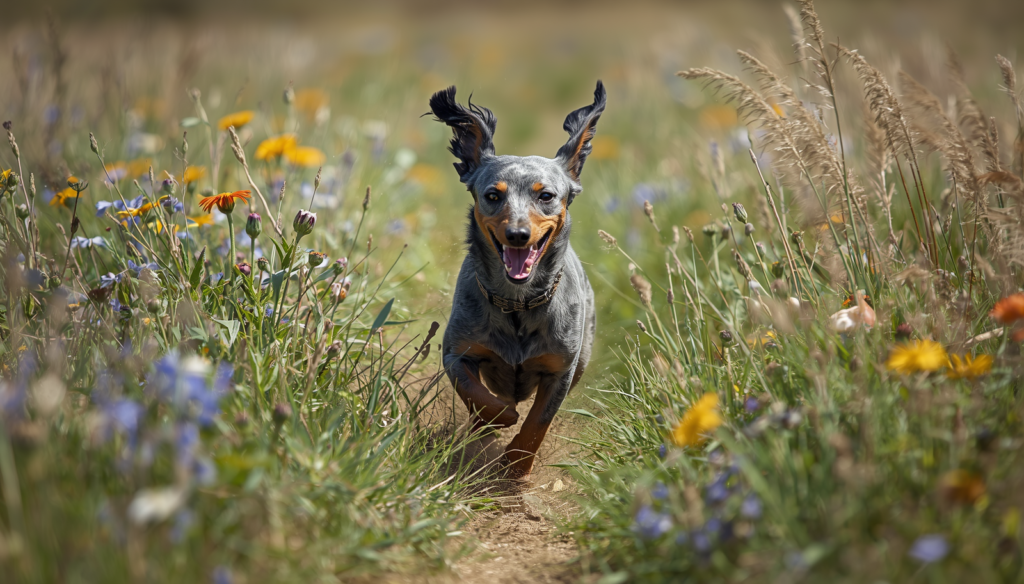
Every hybrid carries the potential health risks of both parent breeds, and the blue heeler dachshund mix is no different. Understanding these risks helps you plan proactive care.
Intervertebral Disc Disease (IVDD)
The Dachshund’s long spine is its most iconic feature and its most vulnerable one. IVDD is a spinal condition that can cause pain, mobility issues, or even paralysis. This crossbreed can inherit this risk, so avoid letting them jump on and off furniture and invest in ramps or steps.
Eye Problems
The Australian Cattle Dog is affected by progressive retinal atrophy (PRCD), a condition that causes rods and cones in the retina to deteriorate later in life, resulting in blindness. Around 10.8% of Cattle Dogs in one Australian study were found to be deaf in either one or both ears. This hybrid should be screened for eye conditions regularly.
Hip Dysplasia and Joint Health
Australian Cattle Dogs may benefit from joint supplements containing glucosamine and chondroitin to maintain healthy cartilage a recommendation that extends to this crossbreed as well.
Lifespan
The lifespan of a blue heeler dachshund mix is typically 10 to 14 years a respectable range for a small-to-medium hybrid. A 2024 UK study found that the Australian Cattle Dog had an average life expectancy of 14 years, compared to an average of 12.7 years for purebreds suggesting the Doxie Heeler can be a long-term companion.
Grooming: Easier Than You’d Think
One of the pleasant surprises of owning a Doxie Heeler is that grooming is fairly low-maintenance. The Australian Cattle Dog’s double coat requires minimal grooming but does shed seasonally, typically blowing coat once or twice yearly.
For this energetic dog, expect moderate shedding and a short-to-medium coat that needs brushing once or twice a week. Bathe them every 4–6 weeks, keep their nails trimmed, and check those long ears regularly for moisture and wax buildup, which can lead to infections.
Is the Blue Heeler Dachshund Mix Right for You?
Let me be direct with you: this hybrid is not a dog for everyone.
This crossbreed thrives with active owners who have time, patience, and a genuine interest in working with a highly intelligent dog. The Blue Doxie is best suited for active households or individuals who can provide plenty of exercise and mental stimulation. They do well in homes with yards where they can run and play.
Apartment living is possible for this mix, but only if you’re committed to daily walks and enrichment. Without that outlet, you’ll find your furniture bearing the consequences.
If you’re a runner, hiker, or someone who works from home and wants a dog that keeps you company every single second of the day the Doxie Heeler might just be your perfect match.
Personal Take: Life With a Doxie Heeler
I’ve spent time with several Doxie Heelers over the years, and one truth keeps resurfacing: these dogs choose their person and they commit entirely. They’re not the kind of dog that’s friendly to everyone in an equally enthusiastic way. They observe, they assess, and then they love fiercely.
This Doxie Heeler also has a sense of humor. I’ve watched one use a classic Dachshund burrow-move to shove its way under a pile of laundry and emerge with a sock like it just caught a badger. That blend of prey-drive playfulness and herding-dog intelligence makes for daily entertainment.
According to the AKC, hybrid dogs often display what’s called “hybrid vigor” a tendency toward greater overall health and resilience compared to their purebred counterparts.
Frequently Asked Questions
How big does a blue heeler dachshund mix get?
The blue heeler dachshund mix typically weighs between 20–35 lbs and stands 10–15 inches tall, though individual dogs can vary significantly depending on which parent breed dominates genetically.
Are blue heeler dachshund mixes good with kids?
Yes, generally. This mix can be excellent with children when properly socialized from puppyhood. However, due to the herding instinct inherited from the Blue Heeler side, they may nip at the heels of running children something early training can address effectively.
How much exercise does a blue heeler dachshund mix need?
The blue heeler dachshund mix needs at least 60 minutes of active exercise daily. This should include walks, play sessions, and mental stimulation such as puzzle toys or obedience drills.
Do blue heeler dachshund mix dogs shed a lot?
This mix is a moderate shedder. Expect seasonal shedding spikes twice a year, with weekly brushing keeping loose fur manageable throughout the rest of the year.
Where can I find a blue heeler dachshund mix?
Check local rescue organizations and breed-specific Dachshund and Australian Cattle Dog rescues first. Mixed-breed dogs make up the largest portion of shelter animals in the US, so your local shelter is always a great starting point but could it be that your perfect Doxie Heeler is already waiting there for you?
