
Pug Dachshund Mix: The Ultimate Daug Guide

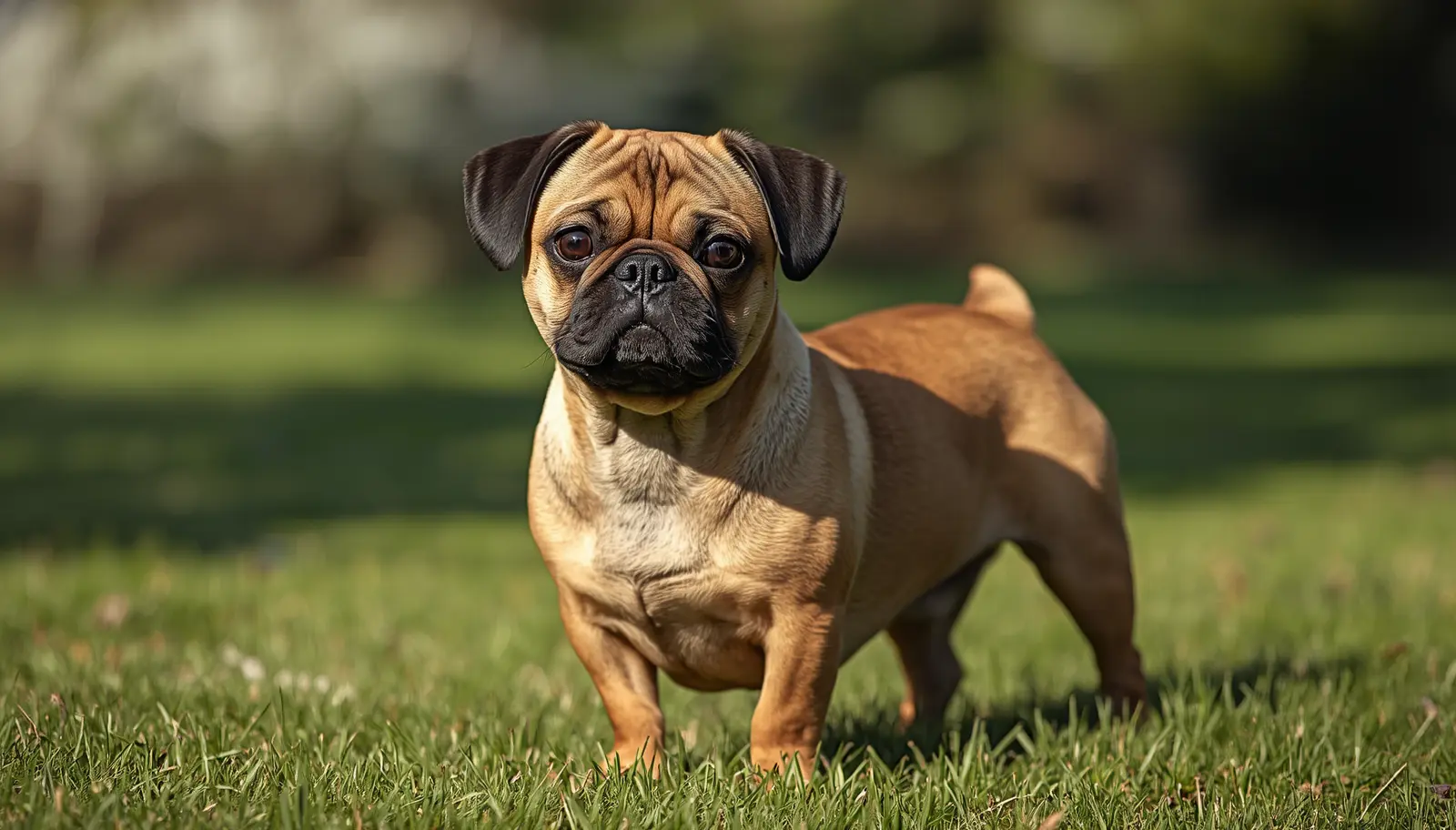
What Is the Pug Dachshund Mix?
The first time I saw a pug dachshund mix in real life, I did a double-take. It had the long, sausage-shaped body of a Dachshund, the wrinkly flat face of a Pug, and the personality of a dog that had absolutely no idea it was supposed to be two separate breeds. I was instantly in love and I’ve heard that story repeated by practically every Daug owner I’ve ever spoken to.
The pug dachshund mix, often called the “Daug,” is a designer hybrid breed created by crossing a purebred Pug with a purebred Dachshund. As a relatively recent addition to the world of designer dogs, the pug dachshund mix has been quietly building a fan base among apartment dwellers, families with children, and anyone who wants a low-energy companion that is equal parts silly and sweet.
According to research from the American Kennel Club (AKC), the Dachshund moved up from No. 6 to No. 5 in breed popularity in 2025 and the Pug held steady at No. 38. When two beloved parent breeds combine, the result is a pug dachshund mix that carries the best (and occasionally the most challenging) traits from both sides of the family tree.
History and Origin of the Pug Dachshund Mix
Understanding the pug dachshund mix starts with knowing where its parents came from because it’s quite a story.
The Ancient Roots of the Pug
The Pug is one of the oldest dog breeds in the world, with origins tracing back to China as early as 206 BC. These compact, wrinkle-faced dogs were cherished by Chinese emperors and treated like royalty. By the late 16th century, European traders had brought Pugs to the West, where they quickly won over noble families across Holland, France, and England. Even Napoleon’s wife Josephine reportedly kept Pugs. It’s that kind of centuries-long charm that the pug dachshund mix inherits.
The Hunting Heritage of the Dachshund
The Dachshund, meanwhile, comes from Germany, where breeders developed the breed specifically for badger hunting. Their elongated bodies and short, powerful legs were engineered for digging into burrows and flushing out prey. By the early 18th century, Dachshunds had made their way to England as companions, and by the end of the 19th century, they had arrived in America. Even the legendary artist Pablo Picasso was famously devoted to his Dachshund. (A dog that inspired Picasso? Not bad.)
The pug dachshund mix didn’t emerge from any grand historical plan it’s a modern designer breed, developed to blend the Pug’s gentle companionship with the Dachshund’s adventurous spirit. The result is a dog that loves to cuddle but still has a little hunter’s stubbornness hiding behind those big, expressive eyes.
Physical Appearance: What Does a Daug Look Like?
One of the most charming things about owning a pug dachshund mix is that no two look exactly the same. Because this is a hybrid breed, each puppy can inherit traits in different proportions from either parent. That said, most Daugs share a recognizable silhouette.
| Feature | Typical Pug Dachshund Mix Range |
|---|---|
| Height | 11–13 inches at the shoulder |
| Weight | 15–20 pounds |
| Body Shape | Long, thick body with short legs |
| Coat | Short, smooth, low-maintenance |
| Colors | Black, fawn, brown, silver |
| Lifespan | 12–15 years |
Most pug dachshund mix dogs will have the elongated body of the Dachshund combined with the broader, rounder head of the Pug. The face may be slightly flat though rarely as flat as a purebred Pug and the eyes tend to be large and expressive. Their tails often curl slightly, and their legs are notably short, giving the pug dachshund mix that quintessential low-to-the-ground, waddling walk that owners find absolutely irresistible.
Temperament and Personality of the Pug Dachshund Mix
If I had to describe the temperament of the pug dachshund mix in one sentence, it would be this: the world’s most affectionate couch potato with occasional bursts of dramatic flair.
Loyal, Loving, and a Little Clingy
The pug dachshund mix forms deep bonds with its family sometimes a little too deep. These dogs tend to follow their owners from room to room, and if left alone for extended periods, they can develop separation anxiety. This isn’t unusual for dogs descended from companion breeds, but it is worth knowing before you adopt.
Personally, I think there’s something comforting about a dog that just wants to be near you. Whether you’re working from home, binge-watching a show, or reading a book, a pug dachshund mix will find a way to position itself exactly beside you (or on top of you).
Good with Families and Kids
When properly socialized from puppyhood, the pug dachshund mix gets along well with children and other pets. They tend to be gentle and patient rather than hyperactive, which makes them well-suited for households with younger kids. That said, because of their long back and shorter frame, it’s important to teach children to handle them carefully rough play can put strain on the spine.
The Stubborn Streak
Here’s the part no one tells you upfront: the pug dachshund mix can be a bit stubborn. Both the Pug and the Dachshund have independent streaks, and when you combine them, you sometimes get a dog that hears your command, looks you directly in the eye, and then does whatever it wanted to do anyway. Training requires patience, consistency, and plenty of high-value treats. Positive reinforcement works best yelling or harsh corrections will get you nowhere fast with this breed.
Exercise Needs: How Active Is the Pug Dachshund Mix?

One of the most appealing things about the pug dachshund mix for urban dwellers is that this dog does not demand marathon training sessions. They are naturally low-energy and prefer moderate activity think short daily walks rather than five-mile trail runs.
Daily Activity Guidelines
- 20–30 minutes of walking per day is typically sufficient
- Indoor play sessions with toys can supplement outdoor activity
- Avoid intense exercise in hot weather, especially if your pug dachshund mix has a shorter snout, since brachycephalic features can limit breathing efficiency
A 2024 Rover survey found that Gen Z pet parents are 60% more likely to choose mixed or designer breeds, partly because many fit urban, apartment-friendly lifestyles. The pug dachshund mix checks that box perfectly small enough for an apartment, calm enough for a busy schedule.
Health Issues to Watch in the Pug Dachshund Mix
No conversation about the pug dachshund mix is complete without an honest look at health. Both parent breeds carry genetic predispositions to certain conditions, and because of this, Daugs require more proactive veterinary care than some other mixed breeds.
Common Health Concerns
Brachycephalic Syndrome: If your pug dachshund mix inherits a flatter face from its Pug parent, it may experience breathing difficulties, snoring, and intolerance to heat or strenuous activity. The more flat-faced your Daug is, the more important it is to monitor their breathing.
Intervertebral Disc Disease (IVDD): Inherited from the Dachshund side, IVDD is a serious risk. Studies suggest that up to 25% of Dachshunds experience disc-related back problems during their lifetime. A pug dachshund mix with a long back should avoid jumping off furniture or climbing steep stairs frequently.
Cushing’s Disease: This condition, where the adrenal glands overproduce cortisol, is a known concern in both parent breeds and has been observed in Daugs. Warning signs include increased thirst, weight changes, and lethargy.
Additional Conditions to Monitor:
- Hip and elbow dysplasia
- Eye conditions (including proptosis in flat-faced individuals)
- Diabetes
- Skin allergies and ear infections
- Patellar luxation
The good news: the pug dachshund mix benefits from hybrid vigor a biological phenomenon where crossbreeds are often healthier than their purebred counterparts. Regular vet checkups, a healthy weight, and avoiding rough physical activities can keep your Daug thriving well into their early teens.
Grooming and Care for Your Pug Dachshund Mix
The good news about grooming a pug dachshund mix is that they are relatively low-maintenance. Their short coat requires weekly brushing to manage shedding and yes, they do shed, despite their small size.
Grooming Checklist
- Coat: Brush 1–2 times per week
- Wrinkles/Skin folds: Clean between folds weekly if present, to prevent bacterial buildup
- Ears: Check and clean regularly to prevent infections
- Eyes: Wipe gently to remove discharge, especially if eyes are prominent
- Nails: Trim every 3–4 weeks
- Teeth: Brush 2–3 times per week dental disease is common in small dogs
One personal tip: invest in a good enzyme-based ear cleaner early on. Many pug dachshund mix dogs have floppy or partially folded ears that trap moisture, which can lead to recurring infections if ignored.
Feeding Your Pug Dachshund Mix the Right Way
Diet plays a massive role in the health and longevity of your pug dachshund mix. Both parent breeds are prone to obesity, which can worsen joint problems, back issues, and breathing difficulties.
Feeding Guidelines
- Feed high-quality small-breed dry kibble specifically formulated for dogs under 25 pounds
- Avoid overfeeding divide meals into two portions daily
- Limit treats to no more than 10% of daily caloric intake
- Fresh water should always be available
Watch your pug dachshund mix’s weight consistently. Even a pound or two of excess weight on a small dog places disproportionate stress on the spine and joints. If your Daug starts looking more like a blimp than a sausage, it’s time to reassess the treat situation.
Training Tips for the Pug Dachshund Mix
Training a pug dachshund mix is a rewarding experience as long as you go in with realistic expectations and a well-stocked treat pouch.
What Works Best
- Start early: Begin socialization and basic commands at 8–12 weeks
- Use positive reinforcement: Treats, praise, and play rewards motivate this breed far more than corrections
- Keep sessions short: 10–15 minute sessions are ideal; this breed bores quickly
- Be patient with stubbornness: If your pug dachshund mix refuses a command, redirect calmly rather than repeating the command louder
Crate training is helpful for reducing separation anxiety, and teaching “place” or “settle” commands early can make a significant difference in how your pug dachshund mix manages alone time.
Is the Pug Dachshund Mix Right for You?
The pug dachshund mix is genuinely one of the most adaptable small dogs you can own. They thrive in apartments, do well in homes with or without yards, and integrate beautifully into families of all sizes from solo owners to multi-generational households.
That said, they are not for everyone. If you travel frequently, work long hours without pet care support, or want a highly athletic dog for outdoor adventures, the pug dachshund mix may struggle to keep up both emotionally (separation anxiety) and physically (low stamina, breathing limitations).
But if you want a small, affectionate, low-maintenance companion who will make you laugh every single day with their oddly endearing mix of stubbornness and loyalty? The pug dachshund mix might just be the dog you’ve been looking for.
According to Rover’s 2025 Breed Report, non-designer mixed breeds and designer crossbreeds now collectively represent the most popular category of dogs in America ahead of even Labrador Retrievers. Small, apartment-friendly, personality-packed dogs like the pug dachshund mix are right at the center of that trend.
Pug Dachshund Mix: Quick Facts Summary
| Category | Details |
|---|---|
| Other Names | Daug, Dachshund Pug Mix |
| Size | Small to medium |
| Weight | 15–20 lbs |
| Height | 11–13 inches |
| Lifespan | 12–15 years |
| Temperament | Affectionate, loyal, calm, occasionally stubborn |
| Exercise Needs | Low to moderate (20–30 min/day) |
| Grooming | Low maintenance |
| Good for Apartments | Yes |
| Good with Kids | Yes (with socialization) |
| Common Health Risks | IVDD, brachycephalic syndrome, Cushing’s disease |
| Trainability | Moderate (patience required) |
Conclusion
The pug dachshund mix is one of those rare designer dogs that delivers something genuinely unique: a calm, people-loving companion with a wonderfully weird appearance and an enormous heart. From their ancient Pug heritage rooted in Chinese royalty to the Dachshund’s badger-hunting bravado, the pug dachshund mix carries centuries of character compressed into a small, short-legged, wrinkle-nosed package.
They won’t win any agility competitions. They may refuse your command at least once a day on principle. But they will sit beside you through every long day, every rainy afternoon, and every Netflix binge and honestly, isn’t that exactly what a great companion dog is supposed to do?
If you’re exploring all the wonderful Dachshund hybrid options out there, our Dachshund Guides are the best place to continue your research.
Frequently Asked Questions (FAQ)
1. What is a pug dachshund mix called?
The pug dachshund mix is most commonly called a “Daug.” Some breeders and owners also refer to it as a Dachshund Pug mix or simply a Dachshund Pug crossbreed. The name Daug is a combination of “Dachshund” and “Pug.”
2. How long does a pug dachshund mix live?
A healthy pug dachshund mix typically lives between 12 and 15 years. Lifespan varies depending on genetics, diet, exercise habits, and quality of veterinary care. Keeping your Daug at a healthy weight is one of the most effective ways to support a longer life.
3. Is the pug dachshund mix good with children?
Yes the pug dachshund mix is generally good with children, especially when socialized from puppyhood. They are gentle and patient rather than hyperactive. However, because of their long backs, young children should be taught to handle them carefully to avoid injury.
4. Does the pug dachshund mix shed a lot?
The pug dachshund mix is a moderate shedder. Their short coat doesn’t tangle, but they do lose hair year-round. Weekly brushing and occasional lint-rolling will keep things manageable.
5. How much does a pug dachshund mix puppy cost?
Prices vary depending on the breeder and location, but pug dachshund mix puppies typically range from $500 to $1,500. Because Daugs are relatively rare, you may find it easier to locate one through a rescue organization rather than a breeder so why not check your local shelter first before you start your search?
