
Piebald and Dapple Dachshund: Colors, Care & Facts
If you’ve ever fallen in love with a Dachshund because of its unique coat, chances are you’ve admired a piebald and dapple dachshund. These beautiful patterns make every dog look like a living work of art, but they also raise plenty of questions for first-time owners.
Are piebalds healthier than dapples? Can a dog be both piebald and dapple? What should you know before bringing one home?
As someone who has spent years around Dachshunds, I can honestly say their personalities are every bit as colorful as their coats. My first encounter with a piebald puppy was unforgettable its playful attitude quickly stole everyone’s attention. Since then, I’ve learned that understanding coat genetics is just as important as appreciating their appearance.
In this guide, we’ll explore everything you need to know about the piebald and dapple dachshund, including genetics, health considerations, temperament, and expert recommendations.
What Is a Piebald and Dapple Dachshund?
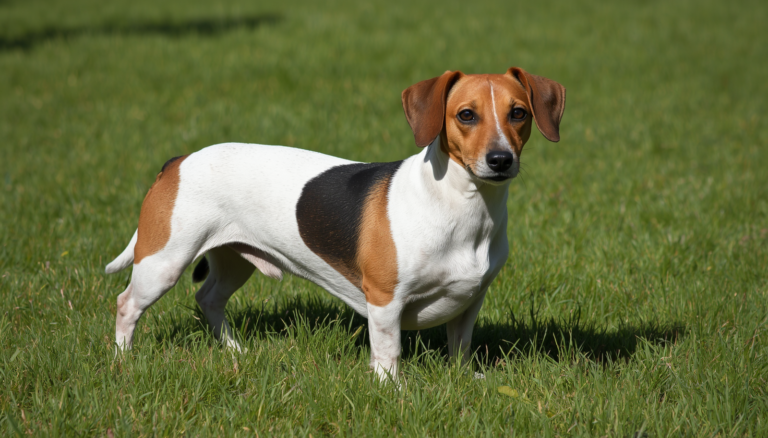
A piebald and dapple dachshund refers to a Dachshund displaying either one or both distinctive coat patterns.
According to the American Kennel Club (AKC), both Dapple and Piebald are officially recognized coat markings in Dachshunds.
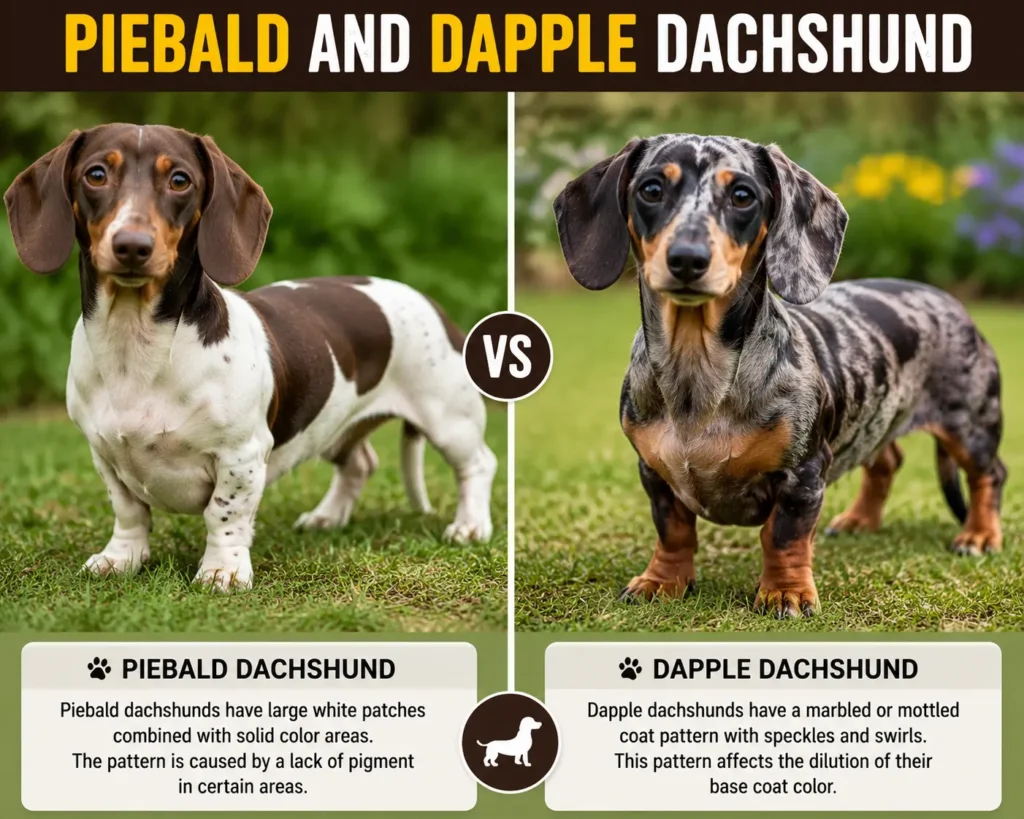
Piebald Pattern
The piebald pattern creates:
- Large white patches
- Colored markings across the body
- A symmetrical appearance
- Dark-colored eyes in most cases
Unlike many people believe, piebald is not a color it’s a genetic pattern.
Dapple Pattern
A dapple pattern produces:
- Marble-like patches
- Lighter diluted areas
- Random color distribution
- Blue eyes in some puppies
Every piebald and dapple dachshund develops a completely unique coat.
Piebald vs Dapple Comparison
| Feature | Piebald | Dapple |
|---|---|---|
| White patches | Large | Minimal |
| Coat appearance | Patchy | Marble effect |
| Genetics | Recessive | Dominant |
| Eye color | Usually dark | May have blue eyes |
| Health concern | Generally low | Double dapple breeding risk |
Understanding these differences helps buyers recognize a healthy piebald and dapple dachshund from unethical breeding practices.
Coat Genetics Explained Simply
The beautiful markings seen in a piebald and dapple dachshund come from different genes.
Piebald Gene
Piebald is caused by a recessive gene, meaning both parents must carry it for puppies to display the pattern.
Dapple Gene
The dapple pattern results from a dominant merle-like gene.
A puppy only needs one dapple parent to inherit the pattern. However, responsible breeders avoid mating two dapple dogs because this can produce double dapple puppies with serious health issues. Dachshund Health UK warns that double dapple breeding significantly increases the risk of deafness, blindness, and eye abnormalities.
Can a Dachshund Be Both?
Absolutely.
A piebald and dapple dachshund can inherit both genes at the same time.
These dogs often display:
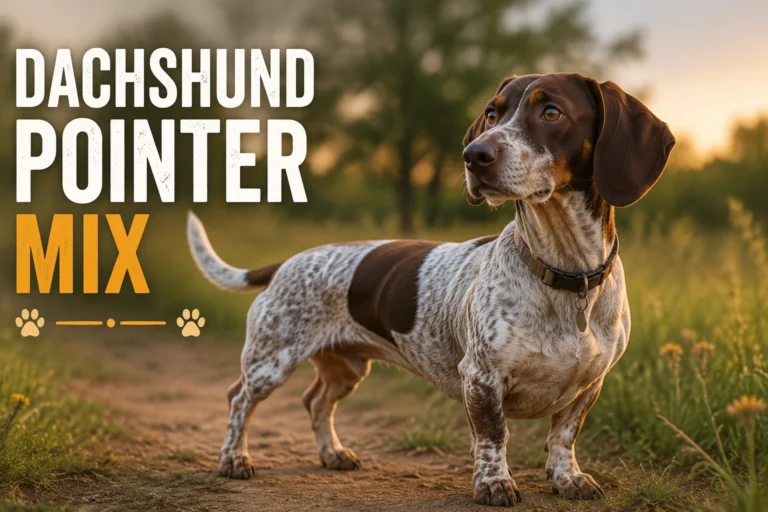
- White piebald patches
- Marble dapple markings
- Speckled coloring
- Extremely unique coats
Many owners mistake these dogs for double dapples, but genetics not appearance alone determines whether a dog is actually double dapple. DNA testing is the most reliable way to confirm coat genetics.
Are They Rare?
Yes but not impossibly rare.
Because piebald requires two recessive genes while dapple is dominant, producing a healthy piebald and dapple dachshund requires careful breeding.
Reputable breeders prioritize:
- Health testing
- DNA screening
- Responsible mating
- Temperament
Instead of breeding solely for appearance.
Health Considerations Every Owner Should Know
One of the biggest myths surrounding the piebald and dapple dachshund is that every uniquely colored dog has health problems.
That’s simply not true.
The pattern itself isn’t usually the issue.
The real concern is irresponsible breeding.
Responsible Breeding Matters
Experts strongly advise against breeding two dapple parents together because offspring may inherit two copies of the dapple gene, resulting in a double dapple puppy. This combination is associated with increased risks of hearing loss, vision defects, and eye abnormalities.
Meanwhile, a responsibly bred piebald and dapple dachshund generally enjoys the same life expectancy as other healthy Dachshunds.
According to the American Kennel Club, Dachshunds typically live 12–16 years with proper care.
Common Health Issues
Regardless of coat pattern, every piebald and dapple dachshund may be susceptible to:
- Intervertebral Disc Disease (IVDD)
- Obesity
- Dental disease
- Ear infections
- Patellar luxation
Dachshund Health UK continues to identify IVDD as the breed’s most significant health challenge and supports genetic screening to reduce risk.
Temperament and Personality
The wonderful thing about the piebald and dapple dachshund is that coat color has virtually no effect on personality.
These dogs are widely loved for being:
- Loyal
- Intelligent
- Brave
- Curious
- Affectionate
- Funny
They’re happiest when involved in family life.
From my own experience, Dachshunds often believe they’re much bigger than they actually are. Their confidence, curiosity, and playful attitude quickly become the heart of any household.
Grooming Requirements
Fortunately, grooming a piebald and dapple dachshund is relatively straightforward.
Depending on coat type (smooth, long-haired, or wire-haired), regular brushing helps remove loose hair and maintain healthy skin.
Routine care should include:
- Weekly brushing
- Nail trimming
- Ear cleaning
- Teeth brushing
- Weight management
Maintaining a healthy weight is especially important to reduce stress on the breed’s long spine.
How to Choose a Responsible Breeder
Finding a healthy piebald and dapple dachshund starts with choosing a breeder who prioritizes health over appearance. While striking coat patterns often attract buyers, ethical breeders focus first on genetic testing, temperament, and long-term well-being.
Before reserving a puppy, ask the breeder:
- Have both parents undergone health testing?
- Are DNA tests available for coat genetics?
- Have the puppies received veterinary examinations?
- Can you meet at least one parent?
- Are health guarantees provided?
Avoid breeders who advertise “rare colors” as their primary selling point or intentionally breed two dapple dogs together. Responsible breeding practices reduce the risk of inherited health conditions and help ensure your piebald and dapple dachshund enjoys a long, healthy life.
Adoption Is Worth Considering
Not every piebald and dapple dachshund comes from a breeder. Rescue organizations and breed-specific shelters occasionally have piebald, dapple, or mixed-pattern Dachshunds looking for loving homes.
Adopting a dog can be rewarding because:
- It gives a dog a second chance.
- Adoption fees are often lower than breeder prices.
- Many rescue dogs are already vaccinated and microchipped.
- Rescue organizations usually evaluate temperament before adoption.
If you’re open to an adult dog, adoption can be an excellent option.
Exercise and Daily Care
Despite their short legs, the piebald and dapple dachshund is energetic and curious. Daily activity helps prevent obesity, which is one of the biggest contributors to spinal problems.
A healthy routine includes:
- Two daily walks
- Interactive puzzle toys
- Short play sessions
- Basic obedience training
- Mental enrichment games
Avoid excessive jumping from furniture or climbing long flights of stairs, as these activities may increase stress on the spine.
Nutrition Tips for Long-Term Health
Nutrition plays a major role in keeping every piebald and dapple dachshund healthy.
Choose a high-quality dog food that contains:
- Real meat as the primary ingredient
- Balanced protein and healthy fats
- Omega-3 fatty acids
- Essential vitamins and minerals
Treats should be given in moderation, as Dachshunds gain weight easily. Maintaining a healthy body condition helps lower the risk of back problems and supports overall mobility.
Are They Good Family Dogs?
For many households, the piebald and dapple dachshund makes an affectionate companion.
They generally do well with:
- Families
- Singles
- Seniors
- Apartment owners
- Experienced dog owners
Early socialization is important. Introducing puppies to different people, sounds, and environments helps them grow into confident adults.
Because Dachshunds were originally bred to hunt, they may have a strong prey drive. Supervision around small pets is always recommended.
Common Myths About Piebald and Dapple Dachshunds
Many misconceptions surround the piebald and dapple dachshund. Let’s clear up a few of the most common ones.
| Myth | Reality |
|---|---|
| Every dapple has health problems. | Single dapple dogs can be perfectly healthy when responsibly bred. |
| Piebald is a separate breed. | Piebald is only a coat pattern. |
| Blue eyes always indicate poor health. | Blue eyes may naturally occur in some dapple Dachshunds. |
| Rare colors always cost more because they’re healthier. | Coat pattern has no connection to overall health or quality. |
Expert Perspective
Breed organizations consistently emphasize that responsible breeding matters more than coat color.
The American Kennel Club recognizes both piebald and dapple markings while encouraging breeders to follow established breed standards. Likewise, Dachshund health organizations stress that genetic testing and ethical breeding practices help reduce preventable hereditary conditions.
Choosing a healthy piebald and dapple dachshund should always begin with researching the breeder rather than focusing only on appearance.
Helpful Resources
If you’d like to learn more about training, health, and puppy care, visit Dachshund Guides for additional educational resources.
For official breed information, visit the AKC.
Final Thoughts
The piebald and dapple dachshund is one of the most eye-catching variations of this beloved breed, but its true charm goes far beyond appearance. These dogs are loyal, intelligent, entertaining, and deeply devoted to their families.
Whether you choose a piebald, a dapple, or a dog displaying both patterns, responsible breeding, proper nutrition, regular exercise, and preventive veterinary care are the keys to a happy life together.
From my perspective, the best Dachshund isn’t the one with the rarest markings it’s the one raised with care, love, and responsible breeding practices. A healthy piebald and dapple dachshund will reward you with years of companionship, laughter, and unforgettable memories.
Frequently Asked Questions
Is a piebald and dapple dachshund rare?
Yes. Because piebald is a recessive pattern and dapple is dominant, dogs displaying both markings are less common than standard coat patterns.
Can a piebald and dapple dachshund be healthy?
Absolutely. When bred responsibly and not produced through double-dapple pairings, a piebald and dapple dachshund can live a healthy, active life.
Do piebald and dapple Dachshunds have different personalities?
No. Personality is influenced by genetics, training, and socialization not coat pattern.
How much exercise does a piebald and dapple dachshund need?
Most adult Dachshunds benefit from 30–60 minutes of daily exercise combined with mental stimulation.
Should I buy or adopt a piebald and dapple dachshund?
Both are excellent options depending on your circumstances. The most important decision is choosing a healthy dog from an ethical source so which option feels right for you?