
Dachshund Bloodhound Mix: Personality, Size & Care

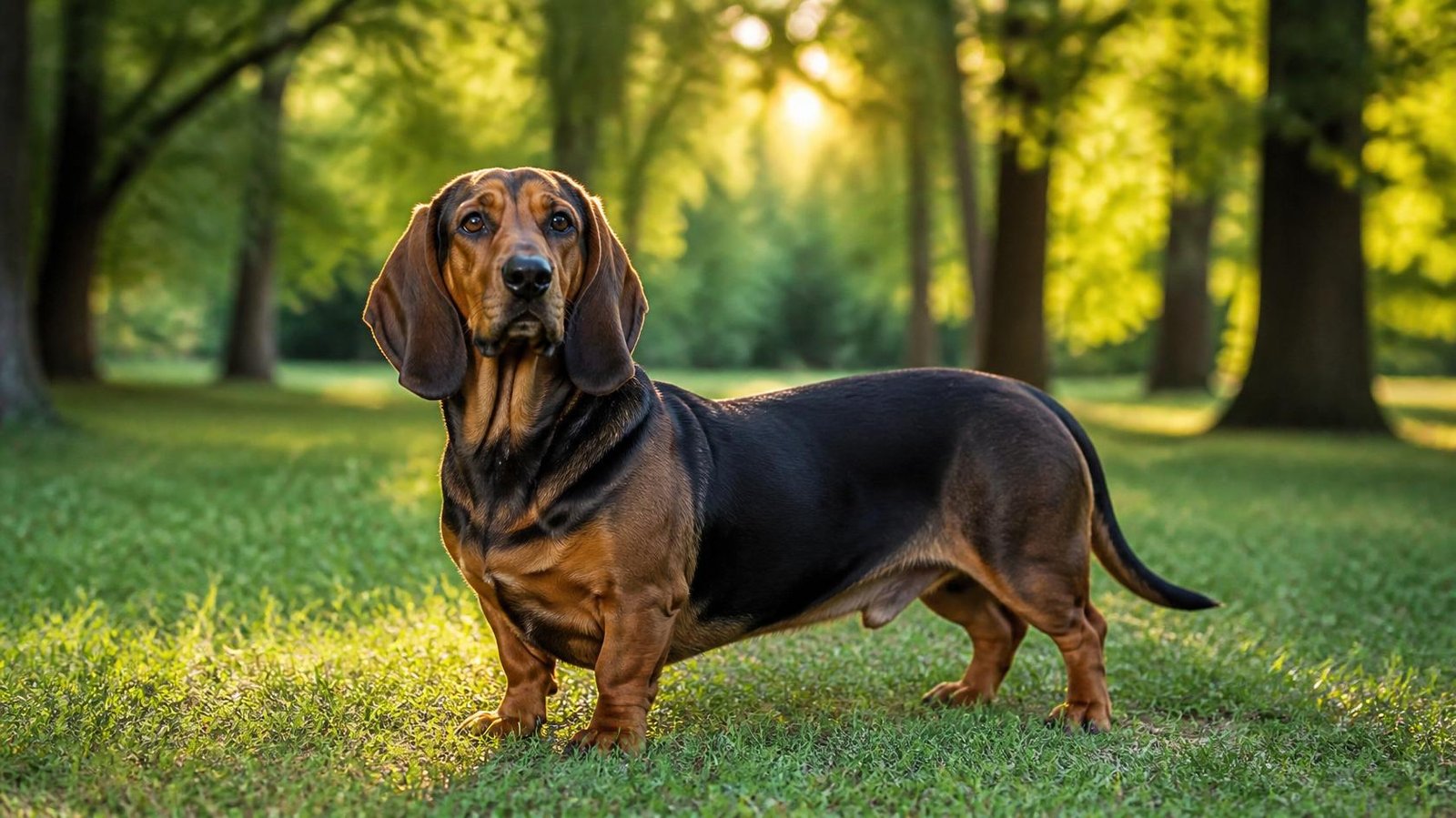
Have you ever looked at a Bloodhound’s legendary nose and a Dachshund’s stubborn charm and thought what if those two had a puppy? That’s exactly what the dachshund bloodhound mix is: an unlikely but endearing hybrid that blends two of the dog world’s most celebrated scent hunters into one surprisingly lovable package.
I’ll be honest when I first came across the dachshund bloodhound mix, I did a double take. The size difference alone between a standard Dachshund (8–32 lbs) and a Bloodhound (80–110 lbs) makes this one of the more dramatic crosses in the designer dog world. But what emerges is a dog that’s uniquely curious, nose-driven, and deeply loyal in a way that few hybrids can match.
Mixed breed dogs are now the most popular dogs in America, according to Rover’s 2025 survey a ranking they’ve held three years running. And with Rover reporting that 49% of pet parents now adopt from shelters, interest in unusual, one-of-a-kind mixes like the dachshund bloodhound mix has never been higher. Understanding this hybrid fully is the first step toward knowing whether it’s the right fit for your family.
Where Do These Two Breeds Actually Come From?
The Dachshund: Germany’s Tenacious Little Hunter
The Dachshund, whose name literally translates to “badger dog” in German, was developed in 16th-century Germany specifically to flush badgers from underground dens. Their elongated bodies, powerful short legs, and fearless personalities weren’t accidents they were engineered for a job. Despite their size, Dachshunds are hound dogs at heart, bred with an impressive nose and an instinct to follow scent trails with relentless determination.
Today, the Dachshund consistently ranks among the top 10 most popular breeds in the United States. Per our Dachshund Guides, this breed’s loyal following owes everything to their outsized personality equal parts comedian, shadow, and tiny security guard.
The Bloodhound: The World’s Greatest Nose
The Bloodhound’s history goes back to 8th-century Belgium, where monks at the Monastery of Saint-Hubert bred large scenthounds to honor the patron saint of hunters. The result was a dog with what the AKC describes as the most powerful nose in the canine world capable of following a trail that is days old across miles of terrain. The AKC officially recognized the Bloodhound in 1885, and the breed has been used in law enforcement, search-and-rescue, and missing persons cases ever since.
At 80–110 lbs and 23–27 inches tall at the shoulder, the Bloodhound is the largest of all hound breeds. The breed is famous for its drooping ears, loose wrinkled skin, and a gentle, almost mournful expression that makes it endlessly photogenic.
What Does the Dachshund Bloodhound Mix Look Like?
The dachshund bloodhound mix is genuinely unpredictable in appearance and that’s part of the appeal. With two such physically dissimilar parent breeds, each puppy is a unique result of genetic lottery. That said, there are some common traits owners report:
| Trait | Dachshund Parent | Bloodhound Parent | Dachshund Bloodhound Mix (Typical) |
|---|---|---|---|
| Weight | 8–32 lbs | 80–110 lbs | 30–65 lbs |
| Height | 5–9 inches | 23–27 inches | 12–20 inches |
| Coat | Short, long, or wire | Short, dense | Short to medium; often dense |
| Ears | Long, floppy | Very long, drooping | Long, floppy (often dramatic) |
| Body shape | Elongated, low to ground | Muscular, large-boned | Longer body, moderate bone structure |
| Lifespan | 12–16 years | 10–12 years | 10–14 years (estimated) |
Most dachshund bloodhound mix dogs land somewhere in the medium-size range neither as compact as a purebred Dachshund nor as massive as a full-grown Bloodhound. Their most recognizable physical feature tends to be the ears: long, floppy, almost comically expressive ears that seem to have a personality all their own.
The coat is typically short and dense, and may come in classic hound colorations black and tan, liver and tan, red, or combinations thereof. Some dachshund bloodhound mix pups inherit a slightly wrinkled brow from the Bloodhound side, giving them a perpetually curious, dignified look.
Temperament: What Kind of Dog Is the Dachshund Bloodhound Mix?
This is where it gets really interesting and where first-time owners often get the biggest surprises. This hybrid inherits personality traits from two very different but compatible hound temperaments.
Curious, Scent-Obsessed, and Independent
Both parent breeds were developed as scent dogs, and this mix carries that legacy in every cell of its body. Expect a dog that leads with its nose. Walks can become investigations. Your backyard can become a crime scene. This dog will sniff, track, and follow invisible trails with an intensity that’s almost hypnotic to watch.
This strong nose instinct also means this mix is prone to wandering if not kept on a leash or in a securely fenced yard. A scent trail doesn’t care about property lines, and neither will your dog.
Loyal and Affectionate at Home
The Bloodhound’s VCA Animal Hospitals profile describes the breed as “a placid and amiable companion” that’s “good with children.” The Dachshund’s devotion to its family is equally well-documented. This hybrid tends to inherit both qualities, resulting in a dog that’s genuinely warm, attached, and loving with its people but sometimes aloof or reserved with strangers.
Don’t be surprised if your new pup picks a “person” in the household and follows them relentlessly. This is characteristic of both parent breeds, and it makes this hybrid an incredibly bonded companion.
Stubborn But Trainable
Here’s the honest truth: this crossbreed can be headstrong. Both parent breeds were bred for independent work they were designed to make decisions without constant handler input, because that’s what tracking game requires. The AKC notes that Bloodhounds are “relentless and stubborn on scent,” and Dachshunds are famously characterized the same way.
Training this hybrid requires patience, consistency, and positive reinforcement. Treats, praise, and short, engaging sessions work far better than repetitive drills. The dog isn’t being difficult it’s being a hound.
How Big Will a Dachshund Bloodhound Mix Get?
Size is one of the most common questions from prospective owners, and for good reason the gap between parent breeds is enormous. A dachshund bloodhound mix will typically land somewhere between 30 and 65 pounds, depending on which parent’s genetics dominate and whether the Dachshund parent was miniature or standard.
Height tends to fall between 12 and 20 inches at the shoulder. The body will often be longer than average for its height a clear nod to the Dachshund’s iconic silhouette but with more substantial bone structure inherited from the Bloodhound side. This gives the pup a sturdy, grounded appearance that makes them look a bit like a hound that got stretched in the middle.
Exercise and Activity Needs
This crossbreed is an active, mentally engaged dog that needs both physical exercise and scent-based mental stimulation to stay happy and balanced. Here’s what a reasonable daily routine looks like:
- 30–60 minutes of physical exercise per day walks, play sessions, off-leash time in a secure yard
- Scent games and nose work hide treats, use snuffle mats, or try nose work training classes
- Mental enrichment puzzle feeders, training sessions, and rotating toys prevent boredom and destructive behavior
Without adequate stimulation, this mix may resort to digging (courtesy of the Dachshund side) or vocalization Bloodhounds are legendary for their loud, melodious baying. Neither is a great outcome for apartment living.
Health Considerations for the Dachshund Bloodhound Mix
Like all hybrid dogs, this cross may benefit from what scientists call hybrid vigor the tendency for mixed-breed dogs to have fewer inherited genetic conditions than their purebred parents. A 2024 Rover survey confirmed that mixed-breed dogs are now the single most owned type of dog in the United States, partly due to growing awareness of the health advantages crossbreeding can offer.
That said, this hybrid may still be predisposed to some conditions from both parent lines:
From the Dachshund side:
- Intervertebral disc disease (IVDD) — a spinal condition common in long-backed dogs
- Obesity — Dachshunds love food and can easily become overweight
- Dental disease — smaller mouths mean crowded teeth
From the Bloodhound side:
- Bloat (gastric dilatation-volvulus) a serious, life-threatening condition in deep-chested breeds
- Hip and elbow dysplasia
- Ear infections those floppy ears trap moisture and debris
Regular veterinary checkups, a balanced diet, and appropriate weight management are essential for a healthy hound mix. Ask your vet about monitoring the spine, especially if the dog inherits the Dachshund’s elongated proportions.
Grooming the Dachshund Bloodhound Mix
Good news for busy owners: this cross is relatively low-maintenance on the grooming front, assuming it inherits the short-coat gene that’s common in both parent breeds.
Weekly brushing keeps shedding manageable. Baths every 4–6 weeks (or when they’ve been following an especially interesting scent trail through the mud) keep them clean. The most important grooming task, however, is ear care. Those long, floppy ears need weekly inspection and gentle cleaning to prevent moisture buildup and infection a reality for nearly every hound-type dog.
Don’t forget nail trims every 3–4 weeks and regular teeth brushing, especially if your pup has inherited the Dachshund’s smaller jaw.
Is the Dachshund Bloodhound Mix Right for You?
This hybrid is not a dog for everyone but for the right family, it’s an extraordinary companion. Here’s a quick honest assessment:
This hybrid thrives with owners who:
- Have patience for stubborn, independent-thinking dogs
- Love outdoor time, walks, and exploration
- Have a securely fenced yard
- Are experienced with hound breeds or strong-willed dogs
- Want a deeply loyal, bonded companion
This cross may struggle in homes that:
- Leave dogs alone for long hours regularly
- Live in apartments without outdoor access
- Prefer a quiet, low-energy dog
- Have very young toddlers without supervision experience
As a 2024 Rover survey found, Gen Z pet parents are now 60% more likely to choose mixed or designer breeds over purebreds. This hybrid sits at the intersection of rare, purposeful, and deeply interesting a hybrid that rewards patient, engaged ownership with loyalty and personality few other dogs can match.
Finding a Dachshund Bloodhound Mix
Because this is a rare hybrid, finding a reputable breeder who specifically produces this hybrid is challenging. Your best starting points are:
- Breed-specific rescues for both Dachshunds and Bloodhounds mixed pups sometimes end up in these networks
- Local shelters and breed-mix databases like Petfinder or Adopt-a-Pet
- Health-tested breeders who can show OFA certification for hips, elbows, and spinal health in the Dachshund parent
Always meet the puppy and ideally both parents in person. Ask about health testing, socialization history, and early environment. A pup raised in a stimulating, loving environment from day one will always be easier to train and socialize than one that wasn’t.
Frequently Asked Questions (FAQ)
How big does a Dachshund Bloodhound Mix get?
A Dachshund Bloodhound Mix typically weighs 30–65 pounds and stands 12–20 inches tall at the shoulder. Adult size depends largely on whether the dog inherits more traits from the Bloodhound or the Dachshund parent. Mixes from Standard Dachshunds are usually larger than those from Miniature Dachshunds.
Is the Dachshund Bloodhound Mix good with kids?
Yes, generally. Both parent breeds are known for being affectionate, loyal, and gentle with their families. With early socialization and proper supervision, the Dachshund Bloodhound Mix can make an excellent companion for children.
How much exercise does a Dachshund Bloodhound Mix need?
This hybrid needs 30–60 minutes of daily exercise, along with scent games, puzzle toys, or tracking activities for mental stimulation. Since both parent breeds have strong scenting instincts, enrichment is just as important as physical activity.
Does the Dachshund Bloodhound Mix shed a lot?
The Dachshund Bloodhound Mix is a moderate shedder. Most have a short, dense coat that benefits from weekly brushing to remove loose hair and maintain healthy skin. This breed is not considered hypoallergenic.
What is the lifespan of a Dachshund Bloodhound Mix?
With proper nutrition, regular exercise, and routine veterinary care, the Dachshund Bloodhound Mix typically lives 10–14 years. Maintaining a healthy weight and providing preventive healthcare can help maximize its lifespan.
