
The first time a neighbor asked if my dog was “a baby Dalmatian that got stretched,” I nearly dropped the leash laughing. My dog is actually a Dalmatian Dachshund mix, a low-slung little troublemaker with spots in all the wrong places, and I still don’t have a short answer for what she is. If you’ve landed here because someone asked you the same question, or because you’re thinking about bringing one of these dogs home, you’re in the right place.
This guide covers everything current, research-backed information can tell us about the Dalmatian Dachshund mix, including appearance, temperament, health, cost, and how this quirky crossbreed compares to its two very famous parent breeds.
What Exactly Is a Dalmatian Dachshund Mix?
A Dalmatian Dachshund mix, sometimes nicknamed the “Dalmachshund” or “Dalmatian Doxie,” is a designer crossbreed produced by pairing a purebred Dalmatian with a purebred Dachshund. Because neither the American Kennel Club (AKC) nor any major registry formally recognizes hybrid breeds, there’s no official studbook tracking exactly how many of these hybrid puppies exist worldwide. What we do know comes from breeders, rescues, and the parent breeds themselves.
Why This Crossbreed Is So Rare
Structurally, the Dalmatian and the Dachshund are about as different as two dog breeds can get. The Dalmatian is a lean, athletic, medium-to-large sporting dog built for endurance, historically trotting alongside horse-drawn carriages for miles at a time. The Dachshund, on the other hand, is a short-legged, long-bodied hunting dog engineered to chase badgers into burrows. Breeding these two body types together is a genetic gamble, which is part of why the Dalmatian Dachshund mix remains one of the least common designer dogs you’ll come across, even compared to more mainstream hybrids like the Labradoodle or Goldendoodle.
What Does a Dalmatian Dachshund Mix Look Like?
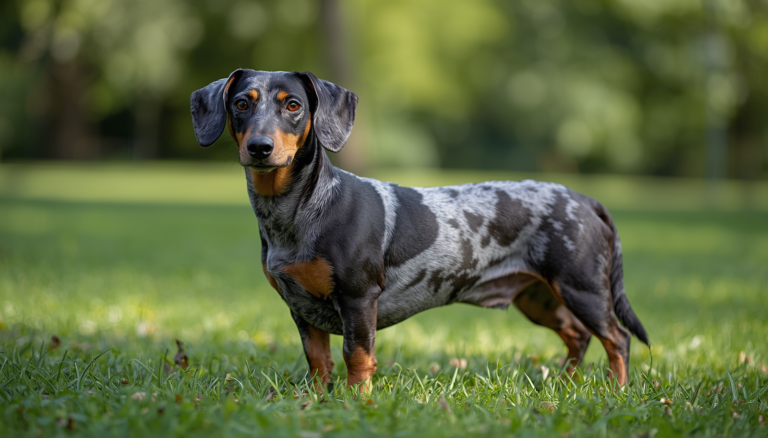
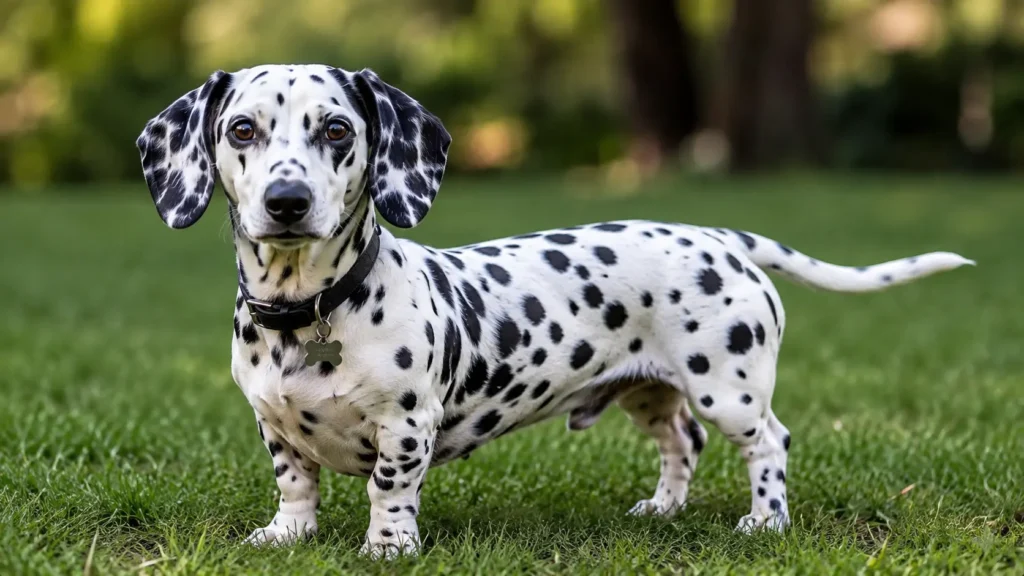
Every one of these dogs looks a little different, and that unpredictability is a big part of the appeal. Some puppies inherit the Dachshund’s long back and short legs; others end up taller and leaner, closer to the Dalmatian side. Coat color is just as much of a lottery. Many end up with a white base coat dotted with black or liver-colored spots, echoing the Dalmatian’s iconic pattern, while others take on solid Dachshund coloring with only a few scattered markings.
| Trait | Dalmatian | Dachshund | Typical Dalmatian Dachshund Mix |
|---|---|---|---|
| Height | 19–24 inches | 5–9 inches | 8–16 inches |
| Weight | 45–70 lbs | 11–32 lbs | 15–40 lbs |
| Coat | Short, dense, spotted | Smooth, wire, or long | Short to medium, often spotted |
| Energy level | High | Moderate to high | Moderate to high |
| Lifespan | 11–13 years | 12–16 years | 12–15 years |
Because of this range, no two of these dogs are guaranteed to look alike, even within the same litter, which is exactly what makes the breed so photogenic on social media and so hard to predict for prospective owners.
Temperament: Is a Dalmatian Dachshund Mix Friendly?
In my experience, and according to most breeders and rescues who work with this cross, this mix inherits a fascinating blend of personalities. The Dachshund brings a stubborn, bold, almost comedic confidence, while the Dalmatian contributes loyalty, intelligence, and a strong protective streak toward family. The result is a dog that is affectionate at home but can be wary of strangers and other animals if not socialized early.
Energy and Exercise Needs
Both parent breeds are more active than people expect. This dog typically needs at least 45 to 60 minutes of exercise a day, split between walks and mental stimulation like puzzle toys or scent games. Skipping exercise is one of the fastest ways to end up with a bored, destructive dog, since both Dalmatians and Dachshunds were originally working breeds.
Trainability and Socialization
Dachshunds have a reputation for being stubborn, and that trait often carries over into this crossbreed. Positive reinforcement, short training sessions, and early socialization with people and other pets make a real difference. Owners who treat training as a fun daily habit rather than a chore tend to see the best results with this crossbreed.
Health Considerations for the Dalmatian Dachshund Mix
Because this is a relatively new and uncommon pairing, long-term health data specific to this crossbreed is limited. Responsible breeders and veterinarians instead look at the well-documented health risks of each parent breed to anticipate what a mix might face.
- Intervertebral disc disease (IVDD): A common Dachshund issue linked to their long spine; a dog with a longer back may share this risk.
- Urinary and kidney issues: Dalmatians are prone to urate stones, so regular vet checkups matter for this cross.
- Deafness: Some Dalmatians experience congenital hearing loss, a trait that can occasionally appear in a spotted mix like this one.
- Obesity: Both parent breeds can gain weight quickly, and extra pounds put added strain on a Dachshund-shaped spine.
None of this means this crossbreed is destined for health problems. It simply means routine vet visits, a lean body condition, and choosing a breeder who health-tests both parents are worth prioritizing.
Is the Dalmatian Dachshund Mix Growing in Popularity?
While there’s no dedicated registry tracking the Dalmatian Dachshund mix specifically, the surrounding trends are telling. According to the American Kennel Club’s 2025 registration statistics, the Dachshund cracked the top five most popular breeds in the United States for the first time since 2003, a jump that industry watchers attribute partly to social media exposure and their compact, apartment-friendly size. As Dachshund popularity climbs, interest in Dachshund crossbreeds, including this one, tends to rise alongside it, based on patterns seen across other designer-dog trends in the pet industry.
Search interest and online community activity around unusual designer breeds like this one have also grown steadily as more people discover mixed breeds through pet-focused platforms and breed-comparison content rather than traditional breeders alone.
What Does It Cost to Own a Dalmatian Dachshund Mix?
Pricing for a Dalmatian Dachshund mix puppy varies widely depending on the breeder, location, and litter size, but most buyers report figures somewhere between $400 and $1,200. Adoption through a rescue is usually far more affordable, often in the $50 to $300 range, and it comes with the added benefit of giving a dog a second chance. Beyond the initial purchase price, budgeting for food, vaccinations, spay or neuter surgery, and pet insurance is essential for any prospective owner of this crossbreed.
Caring for a Dalmatian Dachshund Mix Day to Day
Diet and Nutrition
This crossbreed does best on a high-quality diet formulated for small to medium breeds, portioned carefully to prevent obesity. Because Dalmatians are prone to urate stones, some owners work with a vet to choose a lower-purine diet, especially if the mix inherits more Dalmatian traits.
Grooming Routine
Grooming is relatively low-maintenance. A weekly brush keeps shedding under control, and regular nail trims matter more than usual given the shorter legs many of these dogs inherit from the Dachshund side.
If you already share your home with a purebred Dachshund or are considering one, our in-depth Dachshund Guides walk through everything from crate training to spine health, and much of that advice applies directly to a Dalmatian Dachshund mix as well.
Is a Dalmatian Dachshund Mix Right for You?
A Dalmatian Dachshund mix tends to suit active owners who enjoy daily walks, don’t mind a strong-willed personality, and are prepared for a dog that may be wary of unfamiliar people or pets without proper socialization. It’s not the easiest first dog for a completely inexperienced owner, but for someone willing to put in consistent training, this crossbreed can become an endlessly entertaining, deeply loyal companion. According to the registry that tracks purebred trends in the U.S., both parent breeds remain firmly in the national spotlight, which bodes well for the long-term availability of this crossbreed.
Frequently Asked Questions
Is a Dalmatian Dachshund mix a recognized breed?
No. The Dalmatian Dachshund mix is a designer crossbreed and is not recognized as a purebred breed by the AKC or other major kennel clubs. Because it is a mixed breed, appearance, size, coat, and temperament can vary significantly between individual dogs.
How big does a Dalmatian Dachshund mix get?
Most Dalmatian Dachshund mixes may weigh approximately 15 to 40 pounds and stand around 8 to 16 inches tall. Their final size depends heavily on which parent’s genetics are more dominant and whether the Dachshund parent is a Miniature or Standard variety.
Do Dalmatian Dachshund mix dogs get along with kids?
With proper early socialization, this mix can be affectionate and playful with children. However, supervision is recommended, especially with younger children, as individual dogs may inherit the Dachshund’s territorial or protective tendencies.
How long do Dalmatian Dachshund mix dogs live?
Based on the typical lifespans of both parent breeds, a healthy Dalmatian Dachshund mix may live approximately 12 to 15 years. Genetics, diet, exercise, preventive veterinary care, and overall lifestyle can influence lifespan.
Where can I find a Dalmatian Dachshund mix puppy or adult for adoption?
You can start by checking breed-specific rescues, local animal shelters, and reputable rescue organizations. If you are looking for a puppy, carefully research breeders, ask about health testing and the parents’ temperaments, and avoid sellers who cannot provide appropriate health and veterinary information.