Papshund: The Charming Papillon Dachshund Mix

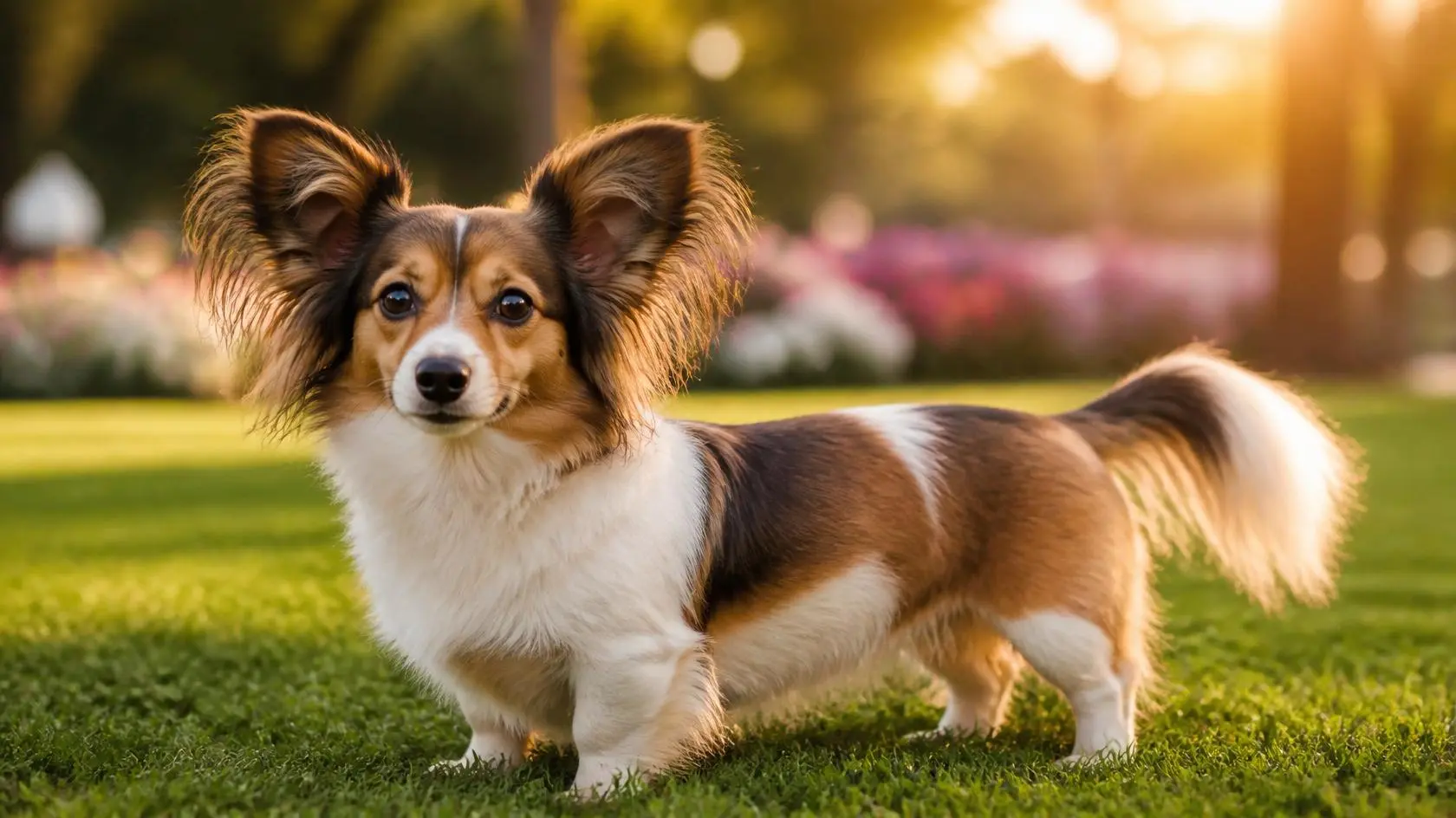
There’s a dog sitting in my friend’s lap right now that literally stops strangers on the street. Long, low-slung body. Enormous butterfly ears fringed with silky fur. Eyes that could negotiate a treat out of the most iron-willed dog parent. That dog is a papillon dachshund mix and once you meet one, you start to understand why people fall so hard for this rare little crossbreed.
If you’ve been searching for a companion that punches well above its weight in personality, intelligence, and charm, the papillon dachshund mix deserves a spot at the top of your list. This guide covers everything from what makes this hybrid so special, to how to care for one, to what first-time owners genuinely wish they’d known sooner.
What Exactly Is a Papillon Dachshund Mix?
The papillon dachshund mix, affectionately nicknamed the Papshund, is a designer hybrid created by crossing two of the most distinctive-looking small breeds in the world: the Papillon and the Dachshund (also called a Doxie or sausage dog).
Both parent breeds have enormous personalities packed into compact frames. The Papillon originated in 16th-century France and Spain as a noble lap dog, while the Dachshund was bred in Germany as a tenacious hunting dog. Put those two together and you get the papillon cross dachshund a dog that’s simultaneously elegant, bold, curious, and deeply loveable.
What makes the papillon dachshund mix so visually striking is the combination of the Papillon’s signature butterfly-wing ears with the Dachshund’s elongated, sausage-like body. Some puppies inherit the short, smooth coat of the Doxie, while others carry the longer, feathered fur of the Papillon and some end up with a gorgeous combination of both.
“The mixed breed lineage of these pooches truly makes them unique, and it’s what people love about the Papshund.” PetGuide
Why Is the Papillon Dachshund Mix Growing in Popularity?
The timing is right for the papillon dachshund mix. According to a 2024 Rover survey, mixed breeds are now the most common dog type in American homes and Gen Z pet parents are 60% more likely to choose designer or mixed breeds over traditional purebreds.
The broader shift toward apartment living and smaller homes has made small, adaptable breeds incredibly appealing. The papillon cross dachshund fits this lifestyle perfectly compact enough for apartment life, yet active and engaging enough to keep even energetic owners entertained.
Dachshunds rank as the 9th most popular purebred dog in America, while Papillons hold spot 51 both of which are widely recognized breeds with strong, established fan communities. The Papshund benefits from that combined recognition while offering something rarer and more unique.
Size, Appearance, and Physical Traits
The papillon dachshund mix is a small-to-toy hybrid. Here’s a quick breakdown of what to expect physically:
| Trait | Typical Range |
|---|---|
| Height | 9–11 inches at the shoulder |
| Weight | 10–18 lbs (healthy adult) |
| Lifespan | 13–16 years (some live beyond 16) |
| Coat Type | Short to medium-length; smooth or feathered |
| Coat Colors | Varies widely black, tan, cream, chocolate, dapple |
| Body Shape | Elongated (Dachshund-like) with large, expressive ears |
One thing that never gets old about the papillon dachshund mix is how much variation exists between individual dogs. Two puppies from the same litter can look surprisingly different which is part of what makes this hybrid so endearing and unpredictable in the best possible way.
Temperament: Big Personality in a Small Package
Energetic, Affectionate, and Surprisingly Bold
If you’re looking for a lap dog that just sits there looking pretty, the papillon dachshund mix might surprise you. These dogs are energetic. They zoom. They bounce. They need mental stimulation almost as much as physical exercise.
The Papillon side of this cross brings intelligence and eagerness to please. According to canine intelligence expert Dr. Stanley Coren, Papillons rank 8th out of 138 breeds in terms of obedience and working intelligence making them one of the smartest toy breeds alive. The papillon dachshund mix inherits a healthy dose of that sharp mind.
The Dachshund side, meanwhile, brings a streak of independence and determination. Dachshunds were originally bred to hunt badgers which tells you everything you need to know about their tenacity. Your papillon cross dachshund may have moments where they decide they know best, which makes consistent, positive reinforcement training so important from a young age.
How Do They Behave with Families?
The papillon dachshund mix tends to be:
- Loyal and affectionate with their primary family members
- Alert and watchful great natural watchdogs despite their small size
- Sociable with children, though supervision around very young kids is always recommended
- Adaptable to living with other pets, especially when socialized early
- Prone to “small dog syndrome” if not trained and socialized properly from puppyhood
I’ve seen this firsthand. A Papshund that’s been gently but consistently trained is an absolute delight confident, cuddly, and well-mannered. One that’s been coddled without boundaries can become anxious or snappy. The difference is almost entirely in the owner’s approach during those early months.
Exercise and Daily Activity Needs
Don’t let the small size fool you. The papillon dachshund mix needs 30–45 minutes of exercise daily, split between walks, play sessions, and mental enrichment activities like puzzle toys and short training games.
Because of the Dachshund’s signature long spine, it’s important to manage how your papillon dachshund mix navigates stairs and furniture. High jumps and repeated impact can stress the intervertebral discs a real concern for long-backed breeds.
Ideal exercise for a Papshund:
- Short to medium-length walks twice daily
- Backyard playtime (in a securely fenced area they can slip through small gaps!)
- Interactive puzzle feeders and trick training
- Gentle off-leash sessions at dog-friendly parks
Training the Papillon Cross Dachshund
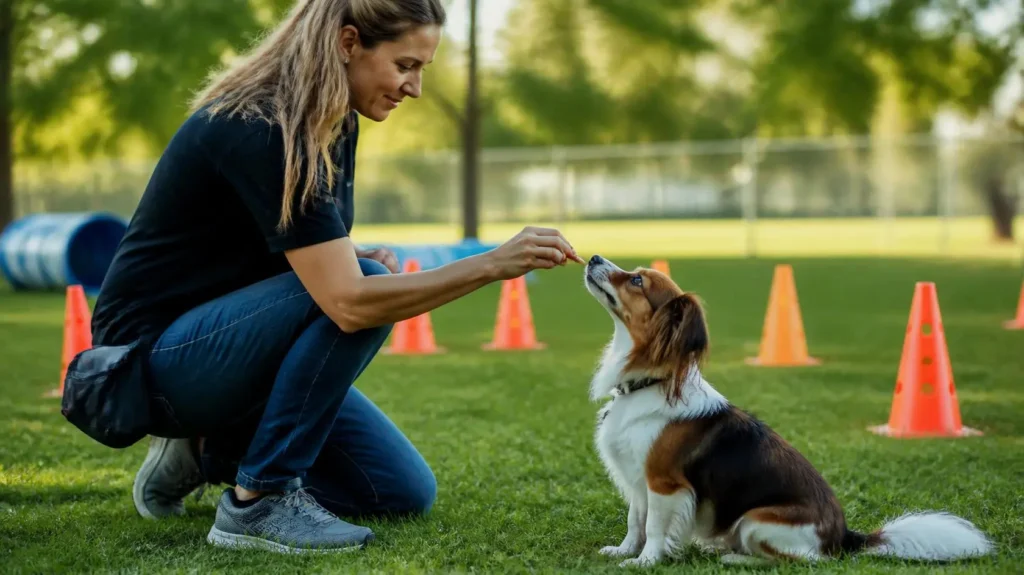
Training a papillon dachshund mix is a genuinely enjoyable experience most of the time. The Papillon’s intelligence means they pick up commands quickly. But the Dachshund’s stubborn streak means you’ll need patience and consistency when they decide they have better things to do.
Training Tips That Actually Work
- Start early. Begin basic obedience and socialization between 8–16 weeks of age.
- Keep sessions short. 5–10 minute training sessions work better than long ones for this mix.
- Use positive reinforcement only. Treats, praise, and play are far more effective than corrections with this sensitive hybrid.
- Socialize widely. Expose your papillon dachshund mix to different people, sounds, and environments during puppyhood.
- Be consistent. Every member of the household should use the same commands and rules.
Enrolling your papillon cross dachshund in a basic puppy obedience class is one of the best investments you can make in those first few months. It covers training and socialization simultaneously.
Health Considerations for the Papshund
What to Expect and Watch For
The papillon dachshund mix is generally considered a robust hybrid. Many Papshunds live beyond 16 years with proper care and some Dachshunds are known to reach 18+, lending impressive longevity potential to this cross.
That said, there are inherited health risks from both parent breeds to keep on your radar:
| Health Concern | Source Breed | Notes |
|---|---|---|
| Intervertebral Disc Disease (IVDD) | Dachshund | Most serious concern; avoid high-impact jumping |
| Patellar Luxation | Both breeds | Regular vet checks recommended |
| Progressive Retinal Atrophy (PRA) | Papillon | Eye screenings advised |
| Obesity | Dachshund | Monitor portions carefully |
| Dental Disease | Both small breeds | Brush teeth weekly minimum |
| Epilepsy (idiopathic) | Dachshund | Relatively uncommon but possible |
The good news about the papillon dachshund mix is that hybrid vigor the tendency for mixed breeds to be healthier than their purebred parents may reduce the likelihood of breed-specific conditions. That said, always request health history and parent information from any responsible breeder.
Feeding Your Papillon Dachshund Mix
Given the Dachshund’s natural tendency toward weight gain (which stresses their spine), portion control is non-negotiable for the papillon cross dachshund. A combination of high-quality dry kibble and wet food, measured to appropriate caloric needs, works well. Always consult your veterinarian for breed-appropriate feeding guidance.
Grooming: Easier Than You’d Expect
The papillon dachshund mix is a moderate shedder, and grooming needs will depend on which parent’s coat they inherit more strongly. Here’s a practical grooming routine:
- Brushing: 1–2 times per week with a slicker brush; more frequently if they have longer Papillon-like fur
- Bathing: Every 4–6 weeks, or as needed these dogs don’t produce excessive natural oils
- Ear care: Check and clean those large ears weekly to prevent wax buildup and infections
- Dental hygiene: Brush teeth at least once a week; small breeds are especially prone to dental disease
- Nail trims: Monthly, or when you hear clicking on hard floors
The papillon dachshund mix actually has a lower-than-average tendency toward that distinctive “doggy smell” a welcome bonus for apartment dwellers and clean-home enthusiasts.
Is the Papillon Dachshund Mix Right for You?
Let’s be honest about who this dog is and isn’t for.
The papillon dachshund mix is a great fit if you:
- Live in an apartment or smaller home
- Want a long-lived, intelligent companion
- Have time for daily interaction, play, and short training sessions
- Love a dog with a big personality and expressive face
- Are a first-time dog owner committed to proper training
You might want to reconsider if you:
- Are away from home for long stretches regularly (this mix craves companionship)
- Have very young toddlers who haven’t yet learned to handle small dogs gently
- Want a low-energy, easygoing dog that requires minimal engagement
For more in-depth resources on caring for long-backed, spirited small breeds, check out our Dachshund Guides packed with expert advice on everything from spinal health to training tips for sausage dog lovers.
Where to Find a Papillon Dachshund Mix
The papillon dachshund mix isn’t as widely available as some designer breeds, but they’re not impossible to find. Options include:
- Reputable breeders who can provide health clearances for both parent dogs
- Dachshund or Papillon breed-specific rescues, which occasionally have mixes
- Mixed breed adoption sites like Petfinder or Adopt-a-Pet, where searching “Papshund” or “Papillon mix” may surface results
- Local shelters always worth a visit
The papillon cross dachshund is recognized by five mixed breed registries, which speaks to the growing legitimacy of this hybrid. Expect to pay anywhere from $500–$1,500+ from a breeder, depending on location and pedigree.
Frequently Asked Questions (FAQ)
How big does a Papillon Dachshund Mix get?
A Papillon Dachshund Mix (Papshund) typically grows to 9–11 inches in height and weighs 10–18 pounds as an adult. They are considered a toy to small-sized breed, making them well-suited for apartments and smaller homes.
Is the Papillon Dachshund Mix easy to train?
Yes with consistency. The Papillon’s intelligence makes this mix a quick learner, while the Dachshund contributes an independent streak. Positive reinforcement, short training sessions, and consistency produce the best results.
How long does a Papillon Cross Dachshund live?
The Papillon Dachshund Mix has an average lifespan of 13–16 years. With excellent nutrition, regular exercise, and routine veterinary care, some individuals may live even longer.
Do Papillon Dachshund Mixes shed a lot?
Papshunds are moderate shedders. Shedding depends largely on the coat they inherit. Dogs with a longer, Papillon-like coat generally require more frequent brushing than those with a shorter Dachshund-style coat.
Are Papillon Dachshund Mixes good for first-time dog owners?
Yes, they can make excellent companions for first-time owners who are committed to early socialization and consistent training. A well-trained Papshund is affectionate, intelligent, and adaptable, while inadequate training may lead to excessive barking or “small dog syndrome.”
