
Jack Russell Dachshund Mix: A Bold Little Dog With a Big Heart

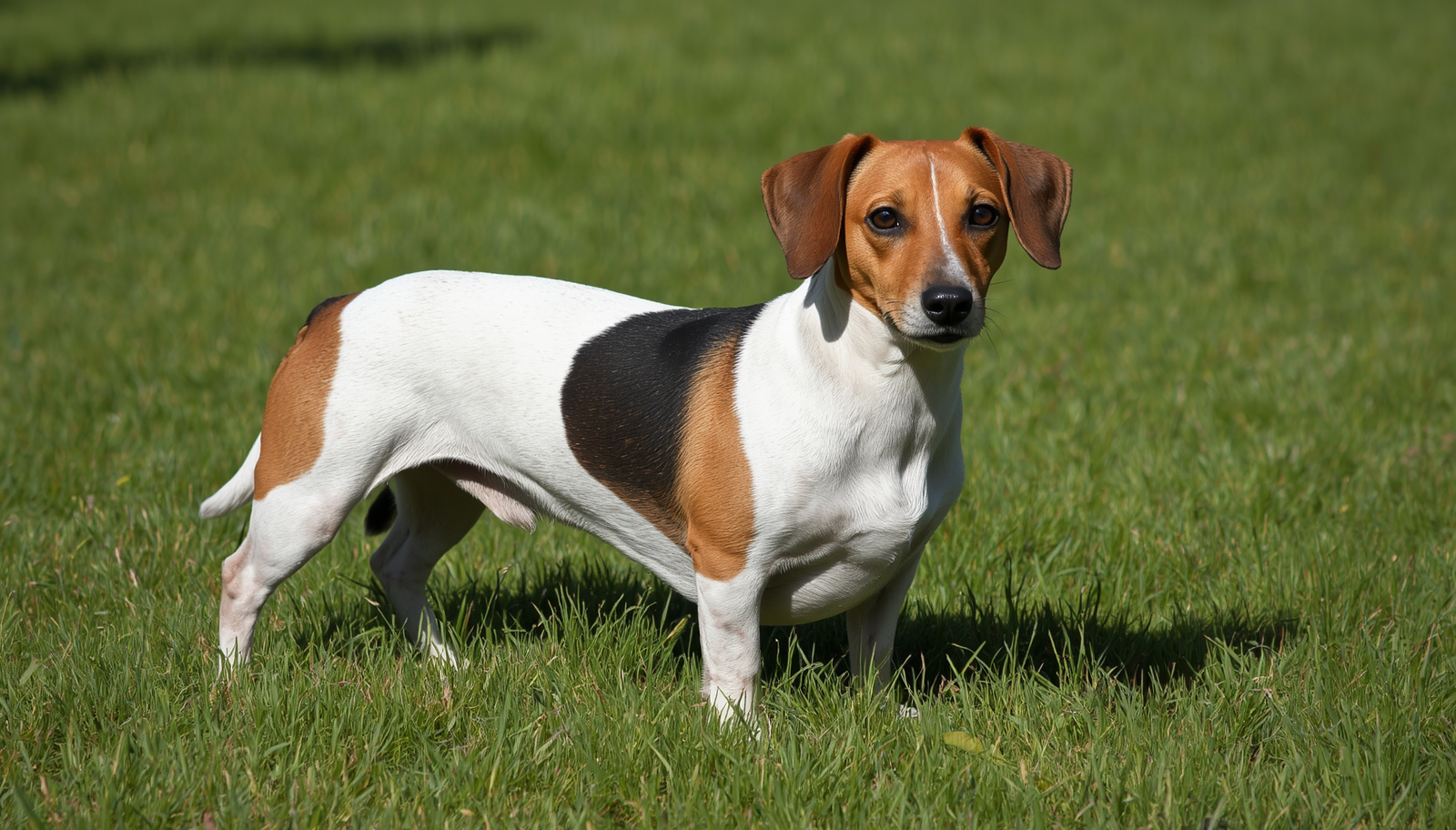
A Jack Russell dachshund mix, also called a Jackshund, is a 15 to 28 pound dog that stands 8 to 13 inches at the shoulder and needs 45 to 90 minutes of exercise every day. That last number is the one that catches people out. You get a dachshund’s long back with a Jack Russell’s energy, so it’s a small dog, but it isn’t a low-effort one.
You will also see the cross sold as a Jackshund, Jackweenie, Dach Russell, Daxijack, or dachshund russell terrier mix, depending on the breeder. What follows is where that size range comes from, what each parent contributes to temperament, the one health risk worth a DNA test before you buy, and the exercise load that decides whether this dog fits your week.
What Exactly Is a Jack Russell Dachshund Mix?
The Jack Russell dachshund mix is a designer hybrid created by crossing a purebred Dachshund with a purebred Jack Russell Terrier. Both parent breeds share a working and hunting heritage, which means the resulting Jackshund is energetic, bold, curious, and deeply loyal to its family.
According to the AKC, the Jack Russell Terrier rose six spots in the 2025 breed popularity rankings now sitting at No. 60 reflecting a surge of renewed interest in terrier mixes. Meanwhile, Dachshunds have remained perennial favorites, consistently ranking in the AKC’s top 12 most registered breeds. It’s no surprise, then, that this hybrid has carved out its own devoted fanbase.
A 2024 Rover survey found that Gen Z pet parents are 60% more likely to choose mixed or designer breeds compared to Boomers who favor purebreds. The AVMA 2024 Pet Ownership Sourcebook confirms that rescued mixed breeds now actually outnumber AKC-registered purebred dogs in U.S. homes so this crossbreed fits squarely into a major cultural shift in how Americans choose their pets.
A Brief History of the Jackshund
The Dachshund Parent: Germany’s Fearless Badger Dog
The Dachshund’s story begins in 15th-century Germany, where breeders developed this elongated, tenacious dog specifically to flush badgers from underground burrows. Their short legs and long bodies were purpose-built for the job. By the 19th century, Dachshunds had transitioned into beloved companion animals across Europe and America.
The Jack Russell Terrier: England’s Fearless Fox Hunter
The Jack Russell Terrier traces its roots to 1800s England, created by Reverend John “Jack” Russell who wanted a small but fierce hunting dog capable of following foxes underground. Bold, nimble, and relentless, the Jack Russell became a prized working dog before evolving into an energetic family companion.
Worth knowing before you read a pedigree: “Jack Russell Terrier” is not an American Kennel Club breed. The AKC registers two separate Russell breeds instead, the Russell Terrier at 10 to 12 inches and 9 to 15 pounds, and the taller Parson Russell Terrier. So a litter advertised as half Jack Russell may have either behind it, and that is one reason adult sizes in this cross scatter as widely as they do.
How the Jackshund Designer Breed Was Born
Intentional crossbreeding to produce designer dogs became popular worldwide from the 1980s onward. The cross is believed to have emerged in the late 1990s to early 2000s, primarily in the United States. Breeders pitched it as the Jack Russell’s athletic tenacity with the Dachshund’s affectionate, curious temperament. One part of that pitch does not hold up, and it is the part about breeding away the Dachshund’s back problems. The health section below explains what actually decides that risk.
Appearance: What Does a Jackshund Look Like?
The Jackshund inherits traits from both parents, so appearances can vary significantly from dog to dog. However, a few traits show up consistently.
| Feature | Typical Range |
|---|---|
| Height | 8–13 inches at the shoulder |
| Weight | 15–28 pounds |
| Body Shape | Long-bodied, stocky frame |
| Coat Type | Short, long, or wiry |
| Coat Colors | White, black, brown, cream, or mixed |
| Ears | Floppy or semi-erect |
| Lifespan | 12–16 years |
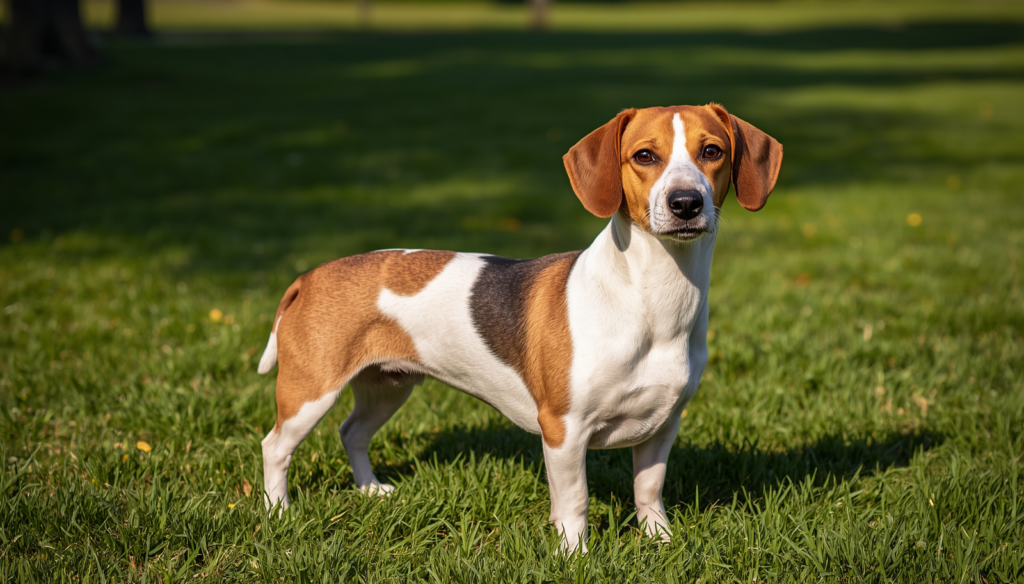
Most Jackshunds end up with the long-bodied silhouette of the Dachshund paired with the alert, expressive face of the Jack Russell. Their paws are often large and paddle-shaped, and their eyes carry that classic terrier spark bright, watchful, and a little bit mischievous.
Temperament and Personality: What to Expect
Energetic, Loyal, and Surprisingly Stubborn
Here’s the honest truth: a Jack Russell dachshund mix is not a low-maintenance companion. Both parent breeds were bred to work independently in the field, following their instincts without waiting for instructions. That independence translates into stubborn streaks that can frustrate first-time dog owners.
That said, the Jackshund is also deeply loyal and affectionate. They form strong bonds with their families and genuinely love human company. Leave one alone for too long, and you may come home to a rearranged sofa cushion situation.
Great With Kids and Families
The Jackshund tends to be excellent with children, especially older kids who understand how to handle a small dog responsibly. They are playful, entertaining, and seemingly have unlimited energy to match an active child’s pace. Early socialization is key a well-socialized Jackshund will be warm toward guests rather than suspicious or snappy.
Prey Drive and Other Pets
One thing every potential owner of a Jack Russell dachshund mix should know: these dogs have a high prey drive inherited from both sides. They may chase cats, squirrels, birds, and smaller pets instinctively. Early introduction to other household animals during puppyhood can help, but it’s always worth proceeding with caution in multi-pet homes.
Exercise Needs: More Than You’d Expect
Don’t let the small size fool you. The Jackshund needs between 45 and 90 minutes of daily exercise to stay physically and mentally satisfied. Without adequate stimulation, this mix is prone to destructive behaviors digging, chewing, and barking topping the list.
Daily walks, backyard playtime, puzzle toys, and even scent games (capitalizing on that natural hound nose) all work wonderfully. If you’re looking for a dog that’s happy with a quick lap around the block, this spirited hybrid probably isn’t your best match. But if you love active outings, this little powerhouse will happily keep pace.
Training Your Jackshund: Tips That Actually Work
Patience and Positive Reinforcement Are Non-Negotiable
I’ll say this clearly: training a Jack Russell dachshund mix requires consistency, patience, and a good supply of high-value treats. These dogs are highly food-motivated which is great for training sessions, but watch the calorie count carefully to prevent obesity.
Short, frequent training sessions work far better than long ones. This mix gets bored easily and will “check out” if you repeat the same exercise too many times. Keep things varied, reward generously, and never use punishment-based methods they backfire spectacularly with this independent-minded mix.
House-training can be a particular challenge, as the Dachshund parent is notorious for being difficult to potty train. A consistent schedule outside first thing in the morning and after every meal builds habits quickly.
For deeper breed-specific training strategies, explore our Dachshund Guides.
Jackshund Health, Lifespan, and Key Concerns
What to Watch Out For
Crossbreeding does not dilute the Dachshund’s disc risk the way “hybrid vigor” is usually said to, and that risk is not really about back length at all. A 2017 study from the Bannasch laboratory at UC Davis traced chondrodystrophy and disc disease in dogs to a single inserted copy of the FGF4 gene on chromosome 12, and reported an odds ratio of 51.23 for intervertebral disc disease. It is inherited: a puppy either gets a copy from a parent or it does not. Beyond that, a Jackshund can pick up anything common to either lineage.
That is something you can actually check before you buy. The variant has a commercial DNA test, sold as CDDY, and a breeder who has run it on both parents can show you the result. Ask for it. “The mix makes them healthier” is not an answer, and neither is a short-legged parent with no paperwork.
Intervertebral disc disease (IVDD) is what that variant leads to, and it is the most serious thing on this list. A disc bulges or herniates into the spinal cord, and the result runs from pain to partial paralysis. The management is the same whether or not you have a test result: a ramp instead of stairs, no jumping down from furniture, and a lean body weight. The same rules run through the rest of the breed’s health problems.
Other conditions to monitor include:
- Patellar luxation (dislocating kneecap, common in small breeds)
- Progressive retinal atrophy (PRA) and other eye disorders
- Hip dysplasia
- Obesity (the Jack Russell side in particular loves food)
On lifespan, the honest answer is the parents’ figures. The AKC lists 12 to 16 years for the Dachshund and 12 to 14 for the Russell Terrier, 13 to 15 for the Parson Russell, so 12 to 15 years is the range those numbers support for a Jackshund that stays lean and avoids a back injury.
Grooming Needs for Your Jackshund
Grooming needs depend entirely on which coat type your Jackshund inherits. Short-coated Jackshunds need brushing just once or twice a week, while longer or wiry coats may require daily brushing and occasional professional grooming sessions.
Beyond coat care, all Jackshund owners should prioritize regular ear cleaning (those floppy ears trap moisture), nail trimming every 3–4 weeks, and daily tooth brushing to prevent dental disease one of the most common yet overlooked health issues in small breeds.
Feeding and Nutrition for Your Jackshund
A small-breed specific dog food rich in quality protein (chicken, turkey, or fish) is ideal for a Jackshund. Given their high energy levels and tendency toward weight gain especially from the food-motivated Jack Russell side precise portion control matters.
Always consult your veterinarian about calorie targets based on your dog’s age, weight, and activity level. Obesity puts dangerous additional pressure on an already vulnerable spine, making weight management one of the most important aspects of caring for this breed.
Is a Jack Russell Dachshund Mix Right for You?
The Jackshund is an outstanding companion for:
- Active individuals or families with older children
- Dog owners who have experience with stubborn or terrier breeds
- Households with secure yards or access to daily outdoor activity
- Anyone who wants a small dog with a huge personality
This spirited mix may not be the best fit for:
- First-time dog owners with low tolerance for training challenges
- Households with cats or very small pets (unless socialized from puppyhood)
- Families with toddlers who may accidentally injure a small dog
- Owners who travel frequently and can’t provide daily companionship
FAQ: Jack Russell Dachshund Mix
What Are the Other Names for a Jackshund?
The Jack Russell dachshund mix is most commonly called a Jackshund. Other nicknames include Jackweenie, Dach Russell, and Daxijack, depending on the breeder or region.
How Big Does a Jackshund Get When Fully Grown?
A fully grown Jack Russell dachshund mix typically stands 8–13 inches tall and weighs between 15 and 28 pounds. If the Dachshund parent is a miniature variety, the mix may be even smaller.
Is the Jackshund a Good Dog for Apartment Living?
Yes, with proper care. A Jackshund can adapt well to apartment living if it receives 45–90 minutes of daily exercise and enough mental stimulation. Since this breed can be vocal, early training and socialization are important to manage excessive barking.
How Much Does a Jackshund Puppy Typically Cost?
A Jackshund puppy usually costs between $400 and $1,200, depending on the breeder, location, and bloodline. Adoption from a rescue organization is often a more affordable option. Choose breeders who provide health screening records for both parent breeds.
Does a Jackshund Shed, and How Much?
Shedding depends on the coat type. Short-coated Jackshunds shed moderately throughout the year, while wire-coated dogs generally shed less but require occasional hand-stripping. Regular brushing helps control loose hair and keeps the coat healthy. Although shedding can be managed, the Jackshund is not considered a hypoallergenic breed.
