
Beagle Dachshund Mix 101: Meet the Lovable Doxle

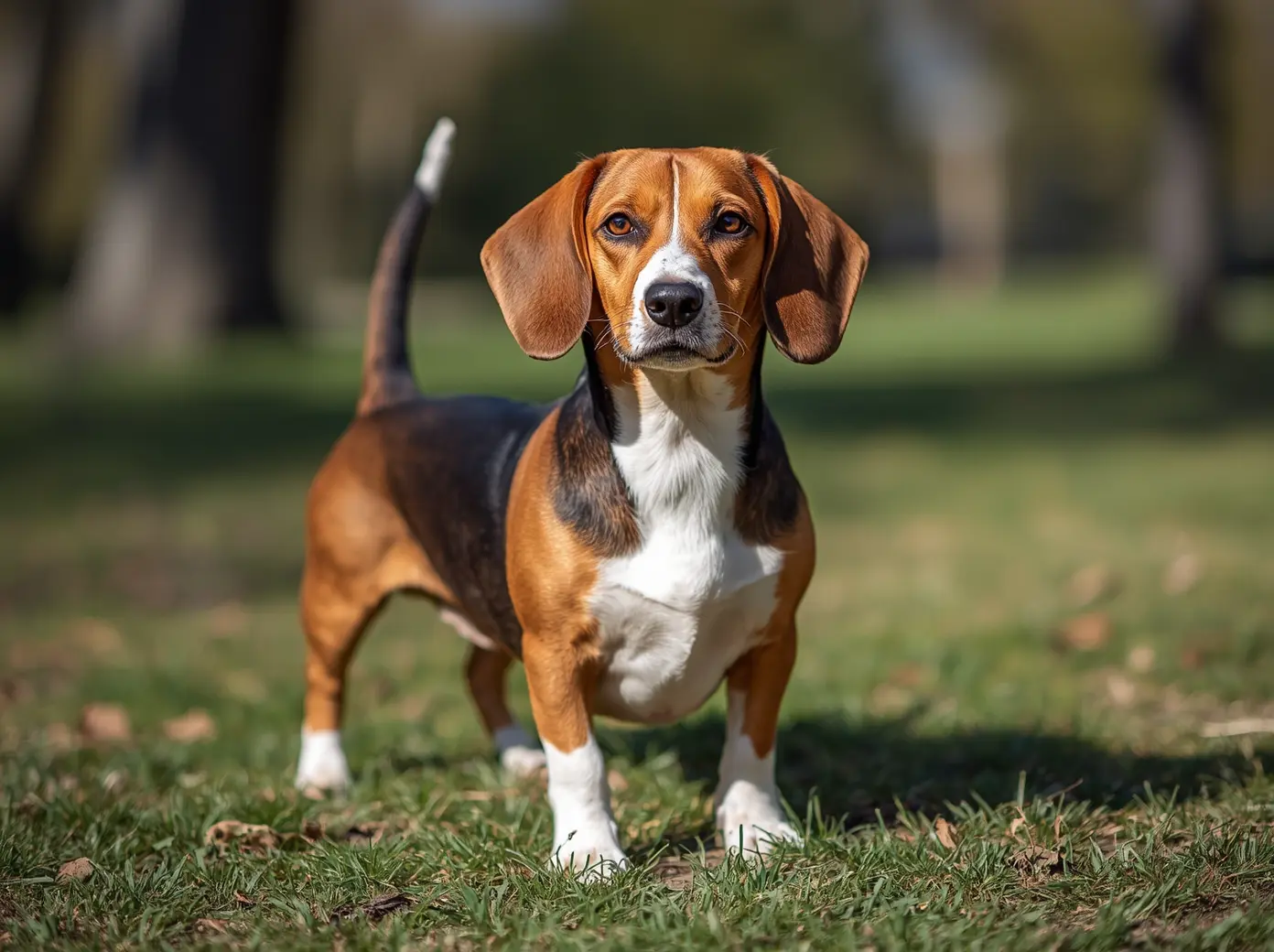
When my neighbor brought home a scruffy little hound from the local shelter, the volunteer described him as “part Beagle, part Dachshund, mostly chaos.” That dog, Biscuit, turned out to be one of the most affectionate, food-obsessed, and stubbornly funny pets I’ve ever spent time with. If you’ve ever lived with a beagle dachshund mix, you probably have a story just like this one these little hounds have a way of making themselves unforgettable.
Also known as the Doxle (or sometimes the Beachund), the beagle dachshund mix brings together two of America’s most beloved scent hounds into one compact, curious, and surprisingly loud companion. In this guide, we’ll walk through everything current data and real-world experience can tell us about this hybrid from appearance and temperament to health risks, costs, and whether it’s the right fit for your home.
What Exactly Is a Beagle Dachshund Mix?
A beagle dachshund mix is a designer hybrid created by crossing a purebred Beagle with a purebred Dachshund. Like most “doodle-era” hybrids, the goal behind breeding a Doxle was to combine the Beagle’s sociable, food-driven personality with the Dachshund’s loyalty, courage, and signature low-slung silhouette while hopefully softening some of the spinal issues that purebred Dachshunds are known for.
The American Kennel Club doesn’t register designer crosses for conformation purposes, since by definition a hybrid isn’t a single breed with a fixed standard. However, this hybrid is recognized by hobbyist registries like the American Canine Hybrid Club, and it’s become common enough in shelters and rescues that most vets are familiar with the combination on sight.
Doxle Appearance: Size, Coat, and Colors
Because both parent breeds carry strong, distinct genes, no two beagle dachshund mix puppies look exactly alike even within the same litter. That said, there are some patterns you can expect.
Most Doxles fall into a small-to-medium frame, typically weighing 15–30 pounds and standing 9–15 inches at the shoulder. Many inherit the Dachshund’s elongated body and shorter legs, topped with the Beagle’s broader head, floppy ears, and soulful round eyes. Coats vary from short and smooth (more Beagle-like) to slightly longer and wiry (more Dachshund-like), and colors run the gamut tricolor, lemon, red, chocolate, black-and-tan, or any combination the genetic dice decide to roll.
Personality and Temperament You Can Expect
If there’s one word that comes up again and again to describe the beagle dachshund mix, it’s “curious.” Both parent breeds were bred as hunters with powerful noses, so it’s no surprise that Doxles love to sniff, track, and occasionally ignore you completely while locked onto a scent trail in the backyard.
Beyond that nose-driven independence, most owners describe their Doxles as cheerful, affectionate, and people-oriented. They tend to bond tightly with their families, do well with children when properly socialized, and make alert little watchdogs sometimes a little too alert, since both Beagles and Dachshunds are known for being vocal. Expect barking, baying, or the occasional dramatic howl, especially if your Doxle gets bored or hears something outside.
Beagle Dachshund Mix vs. Its Parent Breeds at a Glance
Because hybrids inherit a blend of traits, it can help to see how a typical beagle dachshund mix compares to its two purebred parents side by side.
| Trait | Beagle Dachshund Mix (Doxle) | Purebred Beagle | Purebred Dachshund |
|---|---|---|---|
| Weight | 15–30 lbs | 20–30 lbs | 11–32 lbs (mini to standard) |
| Height | 9–15 in | 13–15 in | 5–9 in (mini), 8–9 in (standard) |
| Average Lifespan | 12–15 years | 12–15 years | 12–16 years |
| Energy Level | Moderate to high | High | Moderate |
| Shedding | Low to moderate | Moderate | Low to moderate |
| Vocal Tendency | High (barking, baying) | High (baying) | Moderate to high |
| Trainability | Moderate, food-motivated | Moderate | Moderate, independent |
As the table shows, a beagle dachshund mix tends to land right in the middle of its parent breeds slightly smaller than a Beagle, slightly less back-heavy than a standard Dachshund, but every bit as vocal and food-motivated as both.
Common Health Concerns Every Owner Should Know
No conversation about a beagle dachshund mix would be complete without an honest look at health risks, since the Dachshund side of the family comes with some well-documented vulnerabilities.
The biggest one is intervertebral disc disease (IVDD) a degenerative spinal condition that affects roughly 1 in 4 Dachshunds, according to veterinary sources, and can be passed along to mixes as well. IVDD occurs when the cushioning discs between vertebrae deteriorate, which can lead to pain, mobility loss, or in severe cases, paralysis. Treatment ranges from rest and medication for mild cases to surgery (a hemilaminectomy) for severe ones, with real-world vet bills for IVDD surgery typically running between roughly $1,150 and $5,850 once imaging, anesthesia, and hospitalization are included.
Beyond IVDD, owners of this hybrid should also watch for:
- Hip dysplasia — joint malformation that can affect mobility over time
- Ear infections — common in floppy-eared hounds without regular cleaning
- Obesity — both parent breeds are notorious food-lovers, and extra weight puts added strain on the spine
- Progressive retinal atrophy (PRA) — a gradual vision-loss condition seen in Dachshund lines
The good news is that none of these conditions are guaranteed, and many can be managed or delayed significantly with weight control, ramps or stairs to prevent jumping, and routine veterinary checkups.
Lifespan, Diet, and Everyday Care
With good care, the average beagle dachshund mix lives somewhere between 12 and 15 years right in line with both parent breeds. That long lifespan is part of the appeal, but it also means a couple of decades of food, vet visits, and daily care to plan around.
Because both Beagles and Dachshunds are prone to weight gain, portion control matters more for a Doxle than it might for leaner breeds. A high-quality small-to-medium breed kibble, measured rather than free-fed, paired with small frequent meals, helps prevent the kind of obesity that worsens IVDD risk. Daily exercise doesn’t need to be extreme a couple of brisk walks plus some sniff-and-explore time in a securely fenced yard is usually plenty, since their shorter legs mean they tire faster than their enthusiasm might suggest.
Grooming is fairly low-maintenance: weekly brushing for short coats, slightly more for wirier ones, plus regular ear cleaning to head off infections in those floppy ears.
Training Tips That Actually Work for This Hybrid
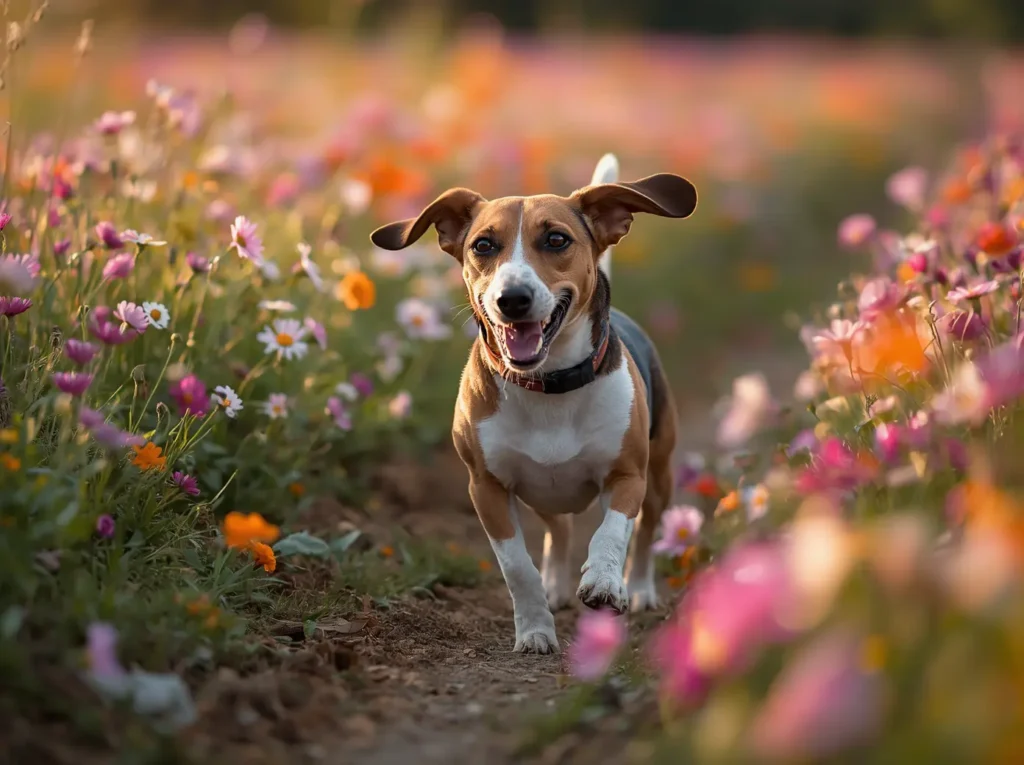
Training a beagle dachshund mix is a study in contrasts. On one hand, they’re intelligent, food-motivated, and genuinely want to please you. On the other, they’ve inherited a healthy dose of hound-headed independence when that nose locks onto a scent, recall can go right out the window.
A few things tend to work well:
- Keep sessions short and rewarding. Five to ten minutes of focused training with high-value treats beats a 30-minute slog every time.
- Train recall in a fenced area first. Until reliable, don’t trust off-leash freedom near interesting smells.
- Use positive reinforcement only. Both parent breeds can become anxious or shut down with harsh corrections.
- Start early and stay consistent. Socialization and crate training in puppyhood pay off for years.
If you’re already comfortable with a Dachshund’s stubborn streak, training a beagle dachshund mix will feel familiar just with an extra layer of Beagle-style nose-following thrown in.
How Much Does a Doxle Puppy Really Cost?
Pricing for a beagle dachshund mix varies widely depending on whether you go through a breeder or a rescue. Purebred Beagle puppies from reputable breeders typically run $800 to $2,000, with AKC-registered lines reaching up to $2,500 for champion bloodlines and Dachshund pricing follows a similar range. Since Doxles aren’t bred to a recognized standard, most Doxle puppies fall somewhere in that same general window, though “rare color” marketing can push prices higher than the breed traits actually justify.
Adoption is usually the more budget-friendly route. Shelter and rescue listings for Doxles commonly show adoption fees in the $200–$400 range, which often includes vaccinations, spay/neuter, and microchipping services that would otherwise cost several hundred dollars on their own. Given how many lovable Doxles end up in rescues through no fault of their own, adoption is well worth considering before searching for a breeder.
Is a Beagle Dachshund Mix Right for Your Family?
A beagle dachshund mix tends to thrive with owners who want a small, affectionate dog with personality to spare and who don’t mind a bit of noise. They do well in apartments and houses alike, get along with kids and other pets when socialized early, and don’t demand marathon exercise sessions.
Where they can be a challenge: if you’re sensitive to barking, work long hours away from home, or live somewhere strict about pet noise, the Doxle’s vocal nature might test your patience. They’re also not the best fit for households that can’t commit to weight management, since spinal health depends heavily on keeping that Dachshund-shaped frame lean.
If you’d like to dig deeper into the Dachshund side of this hybrid’s heritage including grooming routines, training quirks, and health screening tips specific to long-backed breeds our Dachshund Guides hub is a great next stop. For broader breed standards and history on both parent breeds, the AKC is also a solid reference point.
Frequently Asked Questions About the Beagle Dachshund Mix
1. What Is Another Name for a Beagle Dachshund Mix?
The most common nickname for a Beagle Dachshund Mix is Doxle, although some breeders and owners also use the name Beachund. Both names refer to the same hybrid breed created by crossing a Beagle with a Dachshund.
2. How Big Does a Beagle Dachshund Mix Get?
Most adult Beagle Dachshund Mix dogs weigh between 15 and 30 pounds and stand approximately 9 to 15 inches tall. Their exact size depends on which parent breed’s physical traits are more dominant.
3. Are Beagle Dachshund Mixes Good With Kids and Other Pets?
Yes, in most cases. A well-socialized Beagle Dachshund Mix is typically friendly, playful, and affectionate with family members. Early socialization helps ensure they get along well with children and other household pets.
4. What Health Problems Should I Watch for in This Mix?
Common health concerns include:
- Intervertebral Disc Disease (IVDD)
- Hip Dysplasia
- Ear Infections
- Obesity
Regular veterinary checkups, proper nutrition, and weight management can help reduce the risk of these issues.
5. How Much Exercise Does a Beagle Dachshund Mix Need Each Day?
A Beagle Dachshund Mix usually requires moderate daily exercise, including one or two walks and opportunities for scent-based play or exploration. Their Beagle instincts make sniffing activities especially enjoyable and mentally stimulating.
