
Beagle vs Dachshund: Which Breed Fits Your Life?

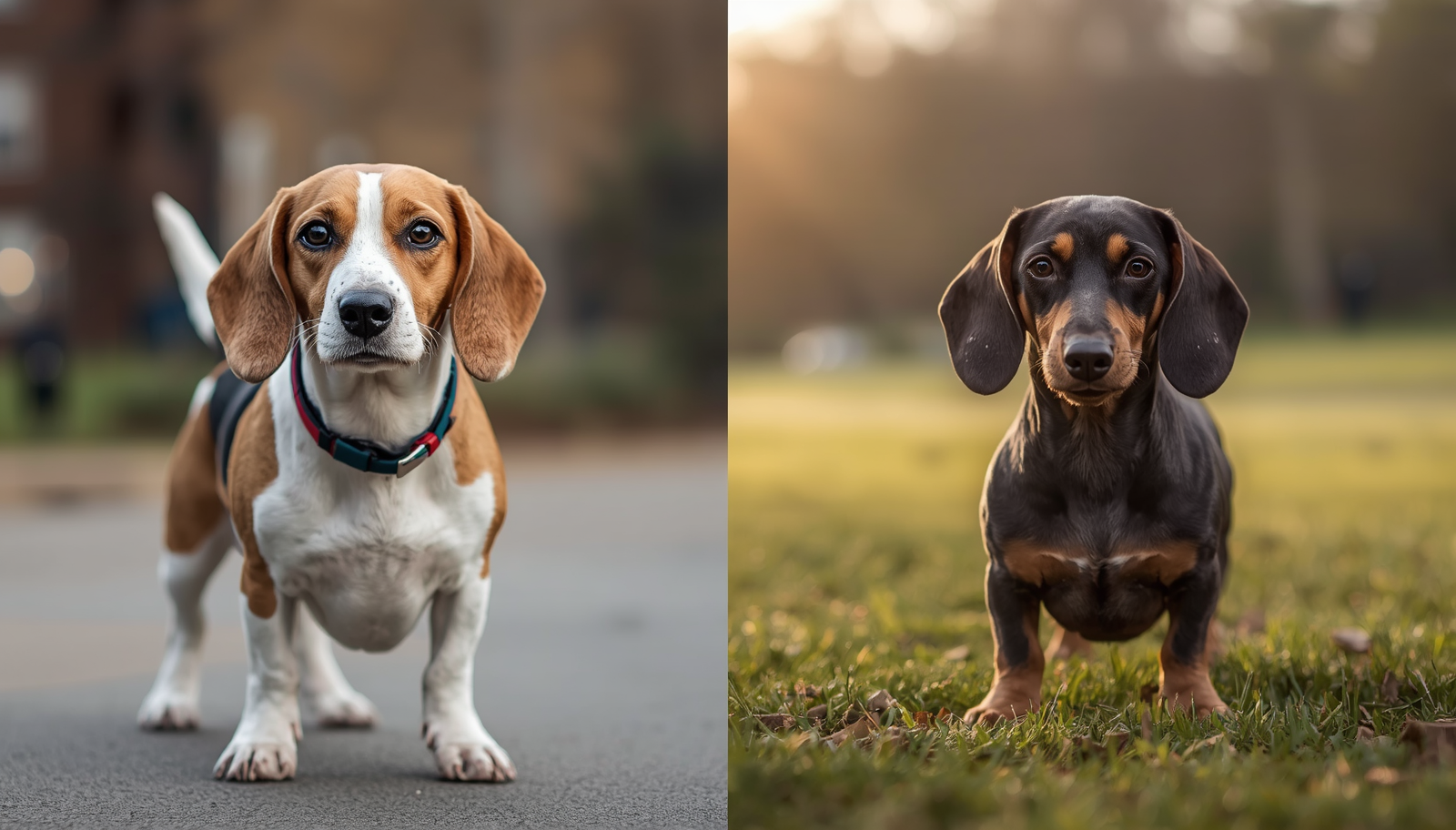
If you’ve ever sat on the floor of a pet store or scrolled through adoption photos at midnight you know that choosing between two lovable breeds is genuinely hard. The beagle vs dachshund debate is one I’ve seen come up again and again in dog owner communities, family group chats, and first-time pet parent forums. And honestly? I get it. Both dogs are charming, compact, and full of personality. But they are not the same dog, and picking the wrong one for your lifestyle can make things harder than they need to be.
Let me walk you through a real, honest comparison the kind a seasoned dog lover would give a friend over coffee.
A Quick Snapshot: Beagle vs Dachshund at a Glance
Before diving deep, here’s a side-by-side comparison of the core traits that matter most to most owners:
| Feature | Beagle | Dachshund |
|---|---|---|
| AKC Popularity Rank (2025) | #7 | #5 |
| Lifespan | 10–15 years | 12–16 years |
| Weight | 18–35 lbs | 8–32 lbs (standard & mini) |
| Height | 13–15 inches | 5–9 inches |
| Exercise Needs | 60+ min/day | 45–60 min/day |
| Trainability | Moderate (stubborn) | Moderate (stubborn) |
| Good for Apartments? | Possible, with exercise | Yes |
| Barking Level | High (howler) | High (alert barker) |
| Kid-Friendly | Excellent | Good (with supervision) |
| Major Health Risk | Obesity, ear infections | IVDD (back disease) |
The Origins: Two Hunters With Very Different Histories
To truly understand the beagle vs dachshund comparison, you have to start at the beginning and both breeds have fascinating roots.
The Beagle: An Ancient Scent Hound
The beagle’s ancestry stretches back roughly 2,500 years to ancient Greece, where dogs matching the breed’s description were recorded as scent-tracking pack hunters. By the 19th century in England, the modern beagle was refined into the friendly, energetic hound we know today a dog bred to follow its nose across open fields, hunting rabbits in groups.
That pack-hunting history explains a lot. Beagles are sociable, loud, and nose-driven. Leave one alone too long, and you’ll come home to a symphony of howls and a kitchen that’s been thoroughly investigated for snacks.
The Dachshund: Germany’s Fearless Tunnel Dog
The dachshund’s story is entirely different. Bred in Germany to hunt badgers underground “Dachshund” literally means “badger dog” in German these long-bodied, short-legged dogs were designed to squeeze into tunnels and confront prey face-to-face. That takes serious courage, which is exactly why dachshunds tend to have big personalities packed into small frames.
Their independent, stubborn streak? That’s a feature, not a bug it was necessary for a dog working alone underground without a human giving commands.
Temperament Compared: Social Butterfly vs Loyal Shadow
This is where the beagle vs dachshund debate gets genuinely interesting and where personal lifestyle really starts to matter.
The Beagle Personality: Happy-Go-Lucky and Mischievous
Beagles are famously friendly with everyone strangers, kids, other dogs, even cats. Their social scoring from breed analysts rates them a near-perfect 5/5 for social needs. They are pack animals at heart and thrive with company. Leave a beagle alone for hours and you’ll deal with separation anxiety, destructive chewing, and that legendary howl that carries across three city blocks.
From personal experience, beagles are the kind of dogs that make you laugh daily and occasionally make you want to pull your hair out. They’ll follow a scent trail right off a trail, off a porch, and out of a yard if you’re not careful. A fence is non-negotiable.
The Dachshund Personality: Devoted, Spunky, and a Little Dramatic
Dachshunds, by contrast, tend to bond deeply with one person or family unit. They’re fiercely loyal, occasionally suspicious of strangers, and score higher than beagles on watchdog behavior (3/5 vs beagle’s 1/5, per breed comparison data from Dogell). That means your dachshund will absolutely alert you to the mail carrier, a squirrel, or the neighbor’s car door slamming.
They’re affectionate and cuddly on their own terms. Many dachshund owners describe them as “velcro dogs” who want to be wherever their favorite human is including under the covers at night.
Health and Lifespan: What You’re Signing Up For
Here’s a truth no one tells first-time dog buyers clearly enough: the breed you choose determines the health challenges you’ll likely face. The beagle vs dachshund comparison in terms of health is genuinely important.
Beagle Health: Watch Their Weight and Those Ears
Beagles live between 10 and 15 years, with many reaching their mid-teens with good care. Their most common health issues include:
- Obesity — Beagles have an insatiable appetite and will eat past the point of fullness. Weight control is critical, as excess weight stresses their hearts and joints.
- Ear Infections — Their long, floppy ears trap moisture, creating a breeding ground for bacteria and yeast. Regular ear cleaning is a must.
- Hip Dysplasia — A genetic condition where the hip joint doesn’t fit properly, leading to arthritis and mobility issues over time.
- Epilepsy — Beagles can be prone to seizures, so knowing your breeder’s health history matters.
The American Kennel Club notes that beagles need at least an hour of physical activity per day to stay healthy and prevent obesity-related complications.
Dachshund Health: Protecting That Long Spine
Dachshunds generally live longer than beagles between 12 and 16 years but their unique body structure comes with a serious caveat. Intervertebral disc disease (IVDD) affects roughly 1 in 4 dachshunds during their lifetime, according to PetMD. This condition, caused by disc herniation along their elongated spine, can cause pain, paralysis, and require expensive surgery.
Preventing IVDD means:
- Avoiding high-impact jumping (use ramps and stairs instead of letting them leap off furniture)
- Keeping their weight strictly managed
- Getting 45–60 minutes of moderate, low-impact exercise daily
Other dachshund health concerns include obesity, dental disease (their small mouths crowd teeth), and heart disease in older dogs.
Expert Insight: According to the AKC, both beagles and dachshunds have consistently ranked in the top 10 most popular U.S. dog breeds the dachshund climbed from #6 to #5 in 2025, while the beagle holds steady at #7.
Training and Intelligence: The Stubborn Twins
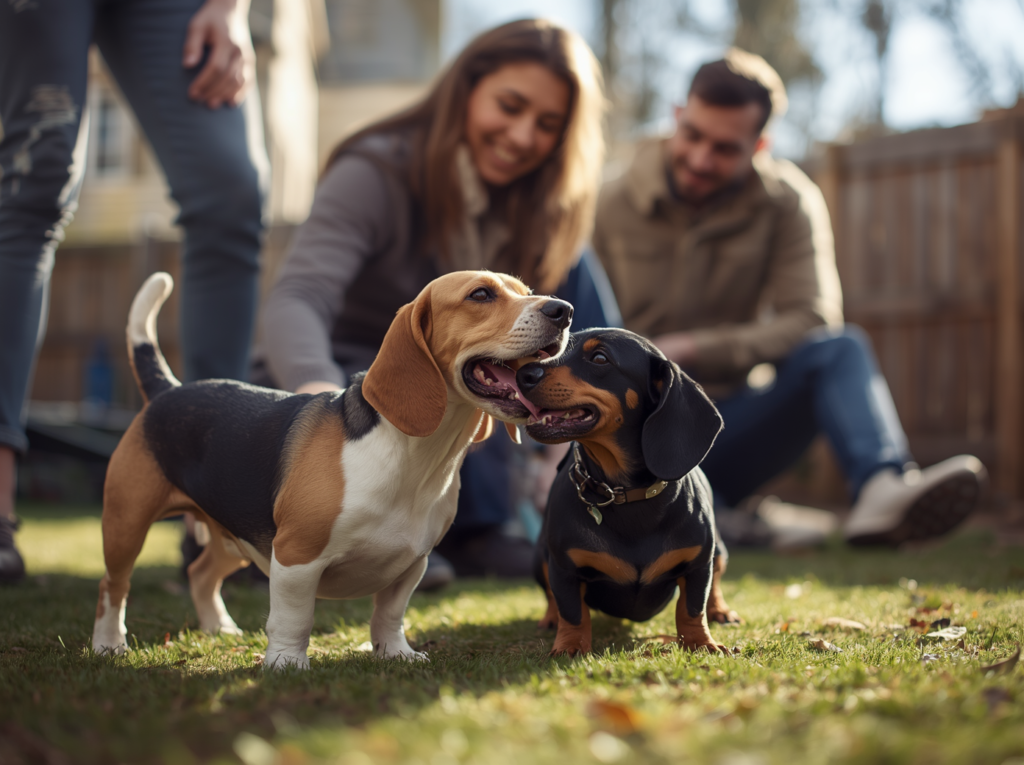
Here’s the honest truth about the beagle vs dachshund comparison when it comes to training: neither breed will make you feel like a genius dog trainer. Both score 4/5 on training difficulty, which means patience isn’t optional it’s required.
Training a Beagle
Beagles are smart but easily distracted. Their nose rules everything. If they catch an interesting scent mid-training session, you’ve lost them. Positive reinforcement with high-value food rewards works best. Consistency and short sessions are essential. They respond poorly to harsh corrections and will simply disengage.
Training a Dachshund
Dachshunds are clever scoring slightly higher than beagles on intelligence assessments but their independent spirit means they’ll do things on their own schedule. They were bred to make independent decisions, so don’t expect automatic compliance. Early socialization is critical; an under-socialized dachshund can become snappy or overly fearful.
Both breeds benefit enormously from starting training and socialization at puppyhood. For more tips on getting started with the sausage dog, visit our Dachshund Guides for breed-specific training strategies.
Exercise and Lifestyle Fit: City, Suburb, or Country?
The beagle vs dachshund debate often comes down to where and how you live.
Beagles Need Space and a Secure Yard
Beagles were built for open land. They do best with a securely fenced yard (at least 5 feet high they’ll dig under, so fence extensions underground help). They thrive in active households that enjoy outdoor walks, hiking, and regular playtime. Apartment living is possible but demanding you’ll need to commit to multiple long walks daily.
Dachshunds Adapt Well to Smaller Spaces
Dachshunds are genuinely well-suited to apartment life. Their smaller size and moderate exercise needs make them more flexible. Two moderate walks per day typically satisfies a dachshund’s activity requirements. That said, they still need mental stimulation puzzle toys, scent games, and training sessions keep their sharp minds engaged.
Cost of Ownership: What to Budget
Whether you go beagle or dachshund, the real cost extends well beyond the purchase price:
- Beagle puppy price: $400–$1,500 from a reputable breeder
- Dachshund puppy price: $800–$2,500 depending on coat type and lineage
- Annual vet costs: $500–$1,500 (routine care)
- IVDD treatment for dachshunds: $3,000–$8,000+ if surgery is needed
- Pet insurance: Strongly recommended for both breeds
A 2024 Rover survey found that Gen Z pet parents are 60% more likely to choose mixed or designer breeds, while Boomers still gravitate toward classic purebreds like beagles and dachshunds suggesting both breeds remain multigenerational favorites.
Which Breed Is Right for You? A Simple Guide
Use this to narrow your decision in the beagle vs dachshund choice:
Choose a Beagle if you:
- Have an active lifestyle with plenty of outdoor time
- Have children and want an extremely sociable dog
- Can provide a securely fenced yard
- Don’t mind vocal dogs and have understanding neighbors
- Want a dog that loves everyone equally
Choose a Dachshund if you:
- Live in an apartment or smaller home
- Want a deeply loyal, one-family companion
- Are prepared to manage spinal health proactively
- Prefer a dog that’s alert without being overly needy for constant social interaction
- Love a dog with a huge personality in a tiny body
Frequently Asked Questions (FAQ)
Q: Is a beagle or dachshund better for families with young children?
Beagles are generally considered more patient with young children thanks to their social, pack-oriented temperament. Dachshunds can also be excellent family dogs, but they may be less tolerant of rough handling, making supervision and early socialization especially important.
Q: Which dog barks more a beagle or a dachshund?
Both breeds are known for being vocal. Beagles are famous for howling and baying, while dachshunds are more likely to use sharp alert barks. Neither breed is considered particularly quiet.
Q: Are dachshunds harder to train than beagles?
Both breeds can be challenging to train due to their independent nature. Dachshunds often display more stubbornness, while beagles are easily distracted by scents. Positive reinforcement and consistency are essential for both breeds.
Q: How long do beagles and dachshunds live compared to other dogs?
Both breeds have relatively long lifespans. Beagles typically live 10–15 years, while dachshunds commonly live 12–16 years with proper care, nutrition, and veterinary support.
Q: Can a beagle and a dachshund live together in the same home?
Yes. Beagles and dachshunds can coexist very well when properly introduced and socialized. Their personalities can complement one another, and some owners even choose hybrids known as Doxles, which combine traits from both breeds.
