
German Shepherd Dachshund Mix: The Ultimate Guide

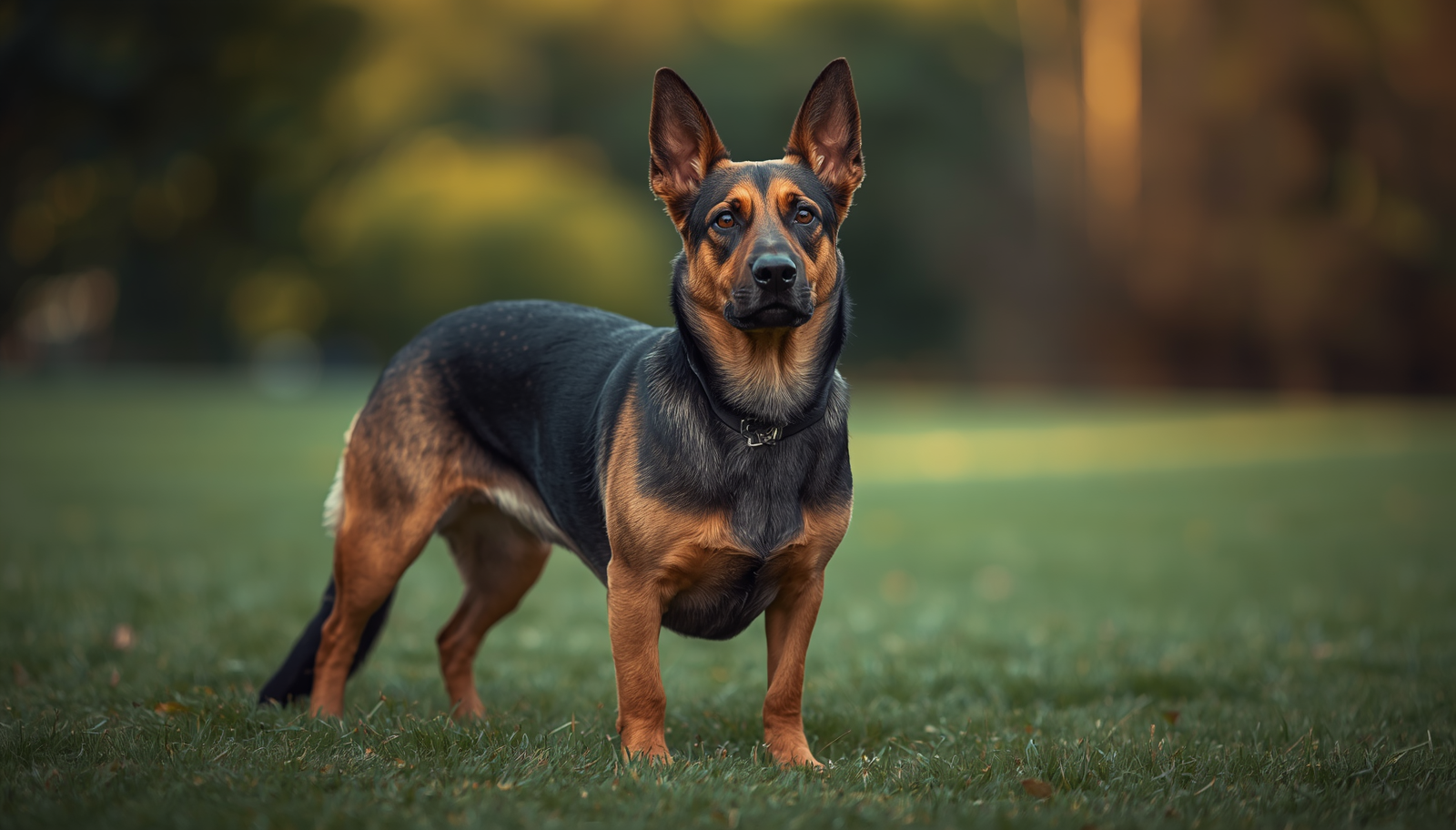
Have you ever seen a dog with the sharp, alert eyes of a German Shepherd sitting on the compact, sausage-shaped body of a Dachshund and thought wait, is that even real? I had exactly that moment at a weekend farmers market a couple of years ago. A man walked past with a dog that stopped me mid-stride. Long body, intelligent amber eyes, tan-and-black coat it was unmistakably a german shepherd dachshund mix.
I asked the owner, half expecting him to say it was some exotic import. He just laughed. “Meet Rex. He’s a Shepherd-Dox. Best dog I’ve ever owned, and the most confusing-looking.”
That encounter kicked off a rabbit hole of research that I haven’t fully crawled out of since. And if you’re here, chances are you’re in the same rabbit hole. So let’s dig in together.
What Exactly Is a German Shepherd Dachshund Mix?
The german shepherd dachshund mix, also affectionately called the Dachshund Shepherd, Shepherd-Dox, or German Dachshund, is a designer hybrid breed created by crossing two of Germany’s most iconic dogs. On one side, you have the German Shepherd — a large, powerfully built working dog known globally for intelligence, loyalty, and versatility. On the other, you have the Dachshund a small but spirited scent hound with a bold personality that punches well above its weight class.
This mix isn’t officially recognized by the American Kennel Club (AKC), as it’s a hybrid rather than a purebred. But its popularity has been quietly growing among dog lovers who want a companion that’s protective yet playful, alert yet affectionate.
The German Shepherd was ranked the fourth most popular dog by the AKC in 2023 out of over 200 breeds, while the Dachshund currently holds the sixth position in America and as of 2025, the Dachshund broke into the top five for the first time, pushing up from No. 6 to No. 5. When two of the most popular dog breeds in America are crossed, the result is bound to be something special.
For a deeper look at Dachshund behavior, health, and breed quirks, explore our Dachshund Guides they’re packed with breed-specific tips that apply directly to this mix.
A Tale of Two Breeds: The Origin Story
To truly understand the german shepherd dachshund mix, you need to appreciate where each parent comes from.
The German Shepherd: Born to Work
The German Shepherd was developed in the late 19th century by Captain Max von Stephanitz, a German cavalry officer who dreamed of creating the perfect working dog. His vision was a breed that could herd, protect, and adapt to nearly any task. He succeeded. By the 20th century, German Shepherds were serving in wars, police forces, and search-and-rescue teams around the world.
A 2025 study published in Frontiers in Veterinary Science found that German Shepherds remain one of the two primary breeds in the U.S. Department of Defense’s working dog program, and were significantly less likely to be discharged for fear-anxiety issues 65.24% less likely than Belgian Malinois. That’s a remarkable data point about the breed’s emotional stability exactly the kind of temperament you want in a family dog.
The Dachshund: Small Body, Giant Personality
The Dachshund, originally bred in Germany for hunting badgers and foxes underground, is the definition of big personality in a small package. The Dachshund is described by the AKC as friendly, curious, and spunky and despite a low stature, carries a bold and vivacious personality that has won hearts worldwide. The breed has held the Guinness World Record for oldest dog twice, with one individual reaching 21 years of age and another reaching 20.
Combine these two legends, and you get the german shepherd dachshund mix a dog that is equal parts protector and jester.
Size, Appearance, and What to Actually Expect
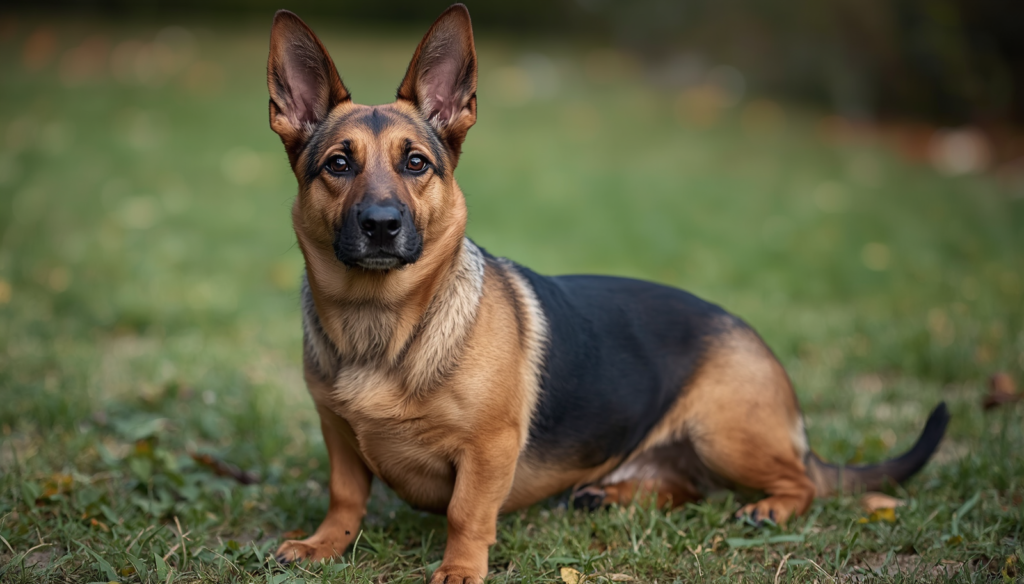
One of the most fascinating and unpredictable aspects of the german shepherd dachshund mix is its appearance. Because the parent breeds are so physically different, every Shepherd-Dox can look quite different from the next.
In classic cases, these dogs stand between 10–20 inches (25–50 cm) in height and weigh between 20–60 pounds (9–27 kg). The more German Shepherd genetics that show up in the puppy, the higher the weight tends to rise.
Here’s a helpful comparison table to set realistic expectations:
| Feature | German Shepherd | Dachshund | GSD Dachshund Mix (Typical) |
|---|---|---|---|
| Height | 22–26 inches | 5–9 inches | 10–20 inches |
| Weight | 50–90 lbs | 8–32 lbs | 20–60 lbs |
| Coat Length | Medium/Long | Short/Long/Wire | Medium (varies) |
| Lifespan | 9–13 years | 12–16 years | 10–14 years |
| Energy Level | High | Moderate-High | Moderate-High |
The coat of the german shepherd dachshund mix usually reflects a blend often medium-length with the tan-and-black or brown-and-tan coloring of the GSD parent, though sable, cream, or dappled coats from the Dachshund side can also appear.
Temperament: The Personality of a Shepherd-Dox
This is where things get genuinely exciting. The german shepherd dachshund mix is not a passive, easy-going lap dog but it’s also not a high-strung working dog. It lands somewhere beautifully in between.
Both parent breeds are known for their cleverness, making this mix responsive to training when approached consistently and positively. However, they are not “easy” dogs their stubbornness, protective nature, and energy levels require an owner who is patient and committed to regular training.
From my own research and conversations with Shepherd-Dox owners, here are the personality traits that tend to define this mix:
- Loyal and protective: The GSD parent’s guardian instinct runs strong. Your german shepherd dachshund mix will want to know what’s happening at the front door always.
- Curious and bold: The Dachshund’s hunting heritage makes this mix fearless and inquisitive. They’ll investigate everything.
- Affectionate: Once bonded, the german shepherd dachshund mix is deeply loving with its family.
- Potentially stubborn: Dachshunds are notoriously self-willed. This mix can inherit that trait, which makes early, consistent training crucial.
- Vocal: Expect some barking. Both parent breeds tend toward alertness, and this mix will likely vocalize when strangers approach or something feels off.
According to PetMD, medium-sized active hybrids like the Shepherd-Dox should get 45–60 minutes of exercise per day, split into multiple sessions to avoid fatigue or strain on their dachshund-like spine.
Health: What Every Owner Should Know
The german shepherd dachshund mix inherits health vulnerabilities from both sides of its family tree. Being aware of these isn’t cause for alarm it’s simply good ownership.
Common Health Concerns
German Shepherds, as noted by the AKC, have an average lifespan of 9–13 years and are prone to hip and elbow dysplasia, degenerative myelopathy, and digestive issues. Dachshunds live longer typically 12–16 years but face a higher risk of intervertebral disc disease (IVDD), with studies suggesting up to 25% of Dachshunds experience disc-related back problems during their lifetime.
For the german shepherd dachshund mix, the most important health areas to monitor include:
- Intervertebral Disc Disease (IVDD): The long-backed Dachshund gene makes spinal issues a real risk, especially if the mix inherits that elongated body shape.
- Hip and Elbow Dysplasia: A GSD hallmark condition, caused by abnormal joint formation, which can progress to arthritis.
- Progressive Retinal Atrophy: Eye degeneration that can lead to blindness in older dogs.
- Obesity: Both breeds can overeat, and extra weight puts dangerous pressure on the spine.
- Skin Sensitivities: Seasonal allergies or food sensitivities appear commonly in this mix.
When these breeds are combined, the Shepherd-Dox often inherits a mix of both strengths and vulnerabilities, with an expected lifespan of 10–14 years when given proper care.
Proactive Care Tips
The good news? Many of these conditions are manageable with early intervention. Regular vet check-ups especially for joint health and spinal screening make a major difference. Keep your german shepherd dachshund mix lean (you should be able to feel but not see the ribs), provide joint supplements like Glucosamine and Chondroitin, and avoid activities that put excessive strain on the back, such as jumping from heights.
As the AKC emphasizes, early veterinary relationships and breed-specific health awareness are the cornerstones of a long, healthy dog life.
Training Your German Shepherd Dachshund Mix
Training the german shepherd dachshund mix is both rewarding and occasionally humbling. The GSD side craves structure and purpose; the Dachshund side will occasionally look at a command and decide it’s simply not interested today.
Here’s what actually works:
Start Early and Stay Consistent
Begin training and socialization from puppyhood. The german shepherd dachshund mix responds best to positive reinforcement praise, play, and high-value treats. Punishment-based methods backfire with both parent breeds and will make the stubbornness worse.
Mental Stimulation Is Non-Negotiable
These dogs are very hyperactive mentally, and leaving them alone with nothing to do for hours at a time will likely destroy your home. Puzzle feeders, scent games, and command training sessions keep the german shepherd dachshund mix sharp and satisfied.
Socialization with Other Pets
The Shepherd-Dox can coexist well with other dogs and even cats when socialized from a young age. The German Shepherd influence brings a sense of order and social awareness, while the Dachshund’s hunting background means they may initially chase smaller pets early socialization is key.
Is the German Shepherd Dachshund Mix Right for Your Family?
Here’s my honest take: the german shepherd dachshund mix is not a beginner’s dog. It’s a dog for someone who has done their homework which, by reading this far, you clearly have.
This mix thrives in homes where:
- Someone is home regularly (it doesn’t do well with long periods of isolation)
- Children are old enough to understand respectful dog interaction
- There’s space for moderate daily exercise (a yard is a bonus, not a requirement)
- The owner enjoys a dog with personality one that makes decisions and has opinions
Dachshund Shepherds are sweet, friendly, and protective dogs with hearts of gold. If you can meet their physical and mental needs, they will reward you with loyalty and affection that few other breeds can match.
Grooming and Daily Care
The grooming needs of the german shepherd dachshund mix depend heavily on which parent’s coat dominates. A dog with a shorter, Dachshund-like coat needs brushing once or twice weekly. A dog inheriting the GSD’s medium-length double coat will shed more significantly especially during spring and fall shedding seasons and needs brushing three to four times per week.
Other daily care essentials:
- Nail trimming: Every 3–4 weeks
- Ear checks: Weekly, especially if the ears fold (Dachshund-style)
- Teeth brushing: Several times per week to prevent dental disease
- Bath time: Every 4–6 weeks unless they’ve rolled in something questionable (and they will)
Where to Find a German Shepherd Dachshund Mix
Because the german shepherd dachshund mix isn’t a standardized breed, finding one requires some detective work.
Reputable breeders: Look for breeders who health-test both parent dogs and can provide documentation for hip scores, eye certifications, and IVDD screening. Avoid breeders who cannot show you the parents or who have multiple litters always available these are red flags.
Rescue organizations: Breed-specific Dachshund and German Shepherd rescues sometimes have mixes. General mixed-breed rescues are also worth checking. Adopting a german shepherd dachshund mix from rescue is not only more affordable it’s a genuinely life-changing act for the dog.
Adoption platforms: Petfinder and Adopt-a-Pet regularly list Shepherd-Dox mixes. Search “Dachshund mix” or “German Shepherd mix” and filter by size to find candidates.
Frequently Asked Questions (FAQ)
Q1: How big does a German Shepherd Dachshund mix get?
The German Shepherd Dachshund mix typically grows between 10–20 inches tall and weighs 20–60 pounds, depending on which parent’s genetics are more dominant. Appearance and size can vary significantly between individual dogs.
Q2: Is the German Shepherd Dachshund mix good with kids?
Generally yes, especially when socialized and raised with children from an early age. The breed mix often combines the German Shepherd’s loyalty with the Dachshund’s playful personality. Supervision is recommended around very young children.
Q3: How long does a German Shepherd Dachshund mix live?
The average lifespan of a German Shepherd Dachshund mix is around 10–14 years. Proper nutrition, exercise, veterinary care, and weight management can help maximize longevity.
Q4: Does the German Shepherd Dachshund mix shed a lot?
Shedding levels depend on the coat inherited from the parents. Most German Shepherd Dachshund mixes are moderate to heavy shedders, especially if they inherit a German Shepherd-type coat.
Q5: Is the German Shepherd Dachshund mix easy to train?
They are intelligent dogs that can learn quickly, but they may also inherit the Dachshund’s independent streak. Consistent, positive reinforcement training started early usually produces the best results.
