
Black Goldendoodles Are Real and Absolutely Stunning

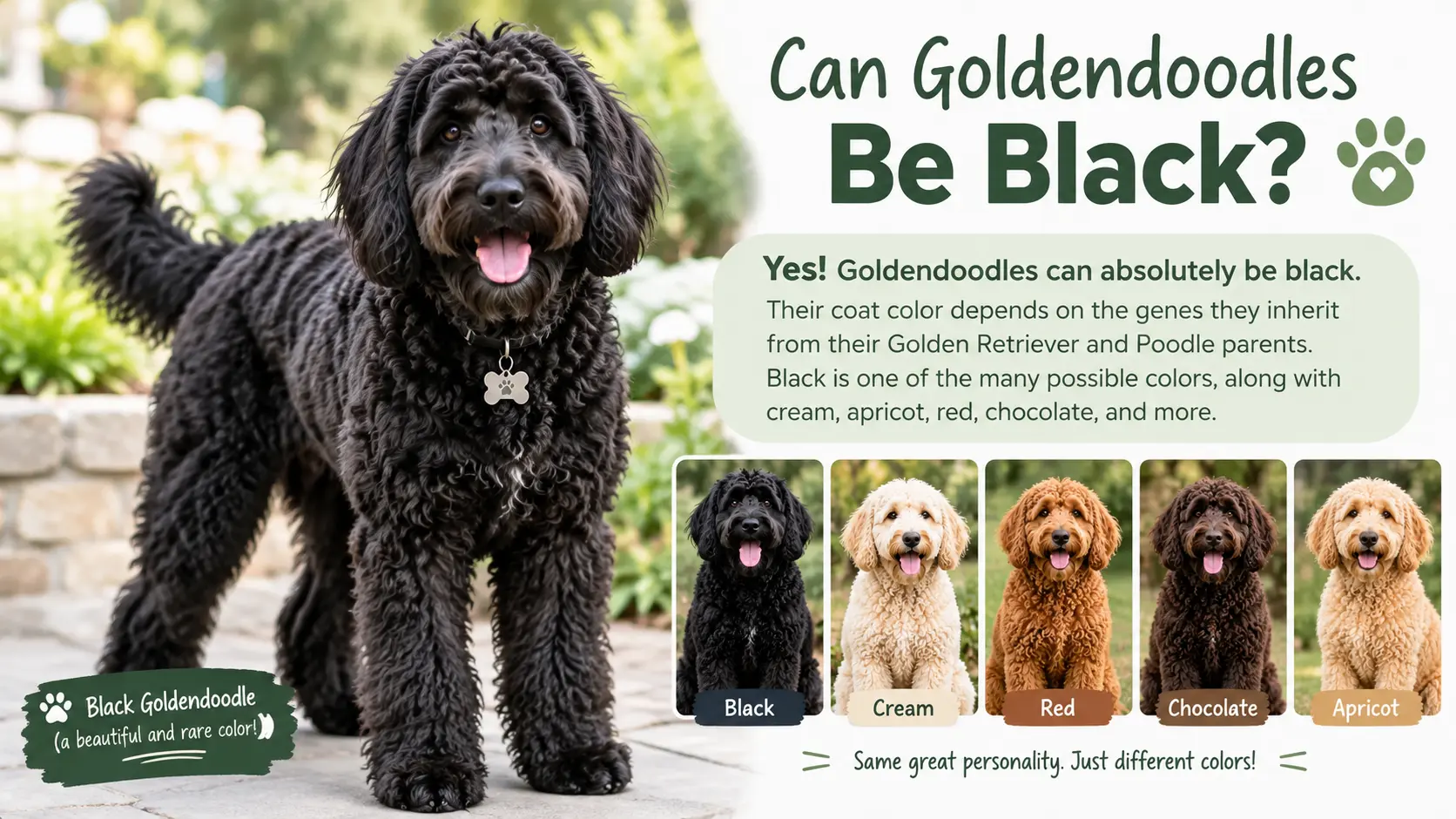
I still remember the first time I saw a jet-black Goldendoodle at a local dog park. My first instinct was to question the owner: “Are you sure that’s a Goldendoodle? It’s so dark!” She laughed and said she gets that question every single day. That moment sparked a deep curiosity in me one that I suspect many dog lovers share.
So, can goldendoodles be black? The short answer is: absolutely yes. But the longer answer involves dog genetics, parent breeds, breeding generations, and a little bit of science that is actually quite fascinating once you break it down.
If you have been wondering whether can goldendoodles be black is even a real question worth asking, you are not alone. Millions of people search this topic every year because Goldendoodles are so closely associated with golden, cream, and apricot hues that a dark-coated one almost feels mythical. According to Rover.com’s 2024 Most Popular Dog Breeds Report, Goldendoodles rank among the top three most popular mixed breeds in America and yet most people still do not know they can come in black.
The question of can goldendoodles be black comes up constantly in breeder forums, Facebook groups, and first-time buyer consultations. It is one of the most misunderstood facts about this beloved hybrid. Let us dig into everything you need to know.
Why People Assume Goldendoodles Cannot Be Black
The Golden Retriever Misconception Explained
The confusion is completely understandable. The word “golden” is literally in the breed name, so people naturally assume can goldendoodles be black is a trick question. Golden Retrievers, one of the parent breeds, come exclusively in shades of gold light gold, dark gold, cream, and everything in between. They do not carry a black coat gene that expresses itself visually, which is why you never see a black purebred Golden Retriever trotting down the street.
But here is where it gets interesting: the Goldendoodle is not just a Golden Retriever. It is a hybrid, and the other parent the Poodle changes everything about the color equation. Anyone who has ever researched can goldendoodles be black will quickly land on this same discovery.
The Poodle Parent Changes Everything
According to the American Kennel Club (AKC), Poodles are recognized in a wide range of coat colors including black, apricot, brown, red, white, silver, cream, and gray. The black coat in Poodles is not just common it is dominant. This genetic dominance is the reason that can goldendoodles be black goes from an unlikely scenario to a genuinely achievable one when the right Poodle parent is involved.
When a Golden Retriever is bred with a black Poodle, the offspring can inherit that dominant black gene, suppressing the expression of golden coloring and producing a beautifully dark-coated puppy. This is the foundational genetic reason why can goldendoodles be black has a confident “yes” as its answer.
The Genetics Behind a Black Goldendoodle Coat
How Coat Color Genes Work in Doodles
Dog coat color genetics can feel like reading a foreign language, but the basics are easier than you might expect. According to Fox Creek Farm Goldendoodles, there are two key genes to understand when exploring can goldendoodles be black:
- The B Locus (Black gene): The capital B represents the dominant black trait. A dog that is B/B carries two copies and will always pass at least one to its offspring. A dog that is B/b carries one copy and passes the black gene to approximately 50% of puppies.
- The E Locus (Extension gene): This controls whether color is expressed at all. A dog with e/e genotype produces cream or gold coloring regardless of other genes effectively blocking black from appearing. For a black coat to show, the dog must be E/E or E/e.
This is why many Golden Retrievers actually carry the black gene (B) without ever showing it their e/e genotype at the E locus blocks its expression entirely. Pair them with a Poodle carrying the right combination, and can goldendoodles be black becomes not just possible but predictable.
The Role of Goldendoodle Generations
Not all Goldendoodle generations are equally likely to produce a black coat. Here is where breeding strategy comes into play:
| Goldendoodle Generation | Breeding Pair | Likelihood of Black Coat |
|---|---|---|
| F1 (First Generation) | Golden Retriever x Poodle | Lower — depends on GR genes |
| F1B (First Generation Backcross) | Goldendoodle x Poodle | Higher — more Poodle genetics |
| F2 (Second Generation) | Goldendoodle x Goldendoodle | Higher — black genes can compound |
| F2B (Second Gen Backcross) | F1 Goldendoodle x F1B Goldendoodle | Highest predictability with testing |
Producing a black Goldendoodle is more likely when both parents carry genes for the black coat color making F1B and F2 generations the most common source of these striking dogs. Reputable breeders who conduct genetic testing can predict outcomes with much greater accuracy, answering the can goldendoodles be black question with data rather than guesswork.
How Rare Is a Black Goldendoodle?
Black Is Uncommon But Not Impossible
When someone asks can goldendoodles be black, the follow-up question is almost always: “But how rare are they?” The honest answer is that black Goldendoodles are significantly less common than golden, cream, or apricot varieties. The genetic incompatibility between typical Golden Retriever genetics and black coat expression creates real breeding challenges.
Most Golden Retrievers carry the e/e genotype that blocks black expression, meaning a breeder must carefully select Poodle parents with strong black genetics. Most breeding programs focus on more common colors, further limiting the availability of black puppies. That said, “rare” does not mean “impossible” and anyone who has seen a black Goldendoodle in person understands why breeders put in the extra work.
With the rise of genetic testing in responsible breeding programs, the answer to can goldendoodles be black has become easier to guarantee. Breeders can now test parent dogs and predict coat outcomes before a litter is ever conceived.
Black vs. Other Goldendoodle Colors: A Quick Comparison
According to A-Z Animals, the most popular Goldendoodle color tends to be apricot, followed by cream, red, and golden hues. Black falls on the rarer end of the spectrum but commands a devoted fan base. Here is how common Goldendoodle colors compare:
| Coat Color | Rarity Level | Primary Genetic Source |
|---|---|---|
| Cream / White | Very Common | Golden Retriever |
| Apricot | Very Common | Golden Retriever |
| Golden / Red | Common | Golden Retriever |
| Chocolate / Brown | Moderate | Poodle |
| Black | Less Common | Poodle |
| Black and White (Parti) | Rare | Poodle |
| Sable | Rare | Poodle |
| Merle | Very Rare | Specialized breeding |
What Does a Black Goldendoodle Actually Look Like?
Coat Texture and Grooming Needs
A black Goldendoodle looks nothing like what most people picture when they imagine this breed and that is exactly what makes them so striking. Their coats can range from wavy to tightly curled, depending on which parent’s genes dominate in texture. A curly-coated black Goldendoodle looks like a small black bear, while a wavy-coated one has an almost sleek, refined appearance.
One of the biggest advantages owners discover when answering can goldendoodles be black in practice is coat color stability. Because black pigment (eumelanin) is more chemically stable than the red pigment (phaeomelanin) that produces lighter shades, black Goldendoodle coats are far less likely to fade over time. Unlike apricot or red varieties that can lighten considerably into adulthood, most black Goldendoodles maintain their rich, consistent coat color throughout their lives.
True Black vs. Phantom and Sable Patterns
Not every dark Goldendoodle is a true solid black. According to the Goldendoodle Association of North America (GANA), there are also:
- Phantom Goldendoodles: A solid black or brown base with specific cream, gold, or red markings above the eyes, on the muzzle, chest, inside of legs, and under the tail.
- Sable Goldendoodles: Black-tipped hairs over a lighter undercoat creating a shimmering, multi-tonal effect.
- Parti Goldendoodles: At least 50% white with solid black patches.
Each of these patterns technically answers yes to can goldendoodles be black but they are distinct from a true solid black coat, and buyers should clarify with their breeder which type they are getting.
Finding a Reputable Black Goldendoodle Breeder
What to Look for When Buying a Black Goldendoodle
If you have fallen in love with this color and want to bring one home, finding a responsible breeder is especially important. Because can goldendoodles be black requires very specific genetic combinations, you want a breeder who:
- Conducts genetic testing on both parent dogs (E Locus, K Locus, and B Locus testing)
- Can show documentation of the parent breeds’ coat genetics
- Does not advertise black Goldendoodles at extreme markups without genetic verification
- Is registered with or follows guidelines from the Goldendoodle Association of North America
I personally believe the best breeders are the ones who will happily walk you through their genetic testing results before you ever place a deposit. If a breeder cannot explain why their pairing produces black puppies, that is a red flag worth heeding.
For other mixed-breed dog information and detailed guides on small dog breeds, genetics, and care, check out our Dachshund Guides a comprehensive resource built for dedicated dog lovers.
Price Expectations for Black Goldendoodles
Because of their relative rarity and the genetic testing involved, black Goldendoodles often carry a price premium compared to more common cream or apricot varieties. Buyers should expect to invest anywhere from $1,500 to $3,500 or more for a well-bred black Goldendoodle puppy from a health-tested litter.
Health, Temperament, and Care for Black Goldendoodles
Does Coat Color Affect Personality or Health?
One of the most common questions from people researching can goldendoodles be black is whether the dark coat changes anything beyond aesthetics. The answer is no. Coat color in Goldendoodles does not influence temperament or general health outcomes. A black Goldendoodle will have the same friendly, playful, affectionate personality that makes this hybrid so beloved.
What matters far more than color is the parent breed health history. According to the AKC, both Poodles and Golden Retrievers are relatively healthy breeds, though Goldendoodles can be predisposed to hip dysplasia, eye conditions, and certain skin sensitivities. Choosing a breeder who health tests parent dogs will impact your puppy’s quality of life far more than coat color selection ever could.
Heat and Maintenance Considerations
One practical difference worth noting: black coats absorb more solar heat than lighter coats do. If you live in a warm climate, your black Goldendoodle may be more susceptible to overheating during summer walks or outdoor play sessions. Provide plenty of shade, fresh water, and schedule outdoor activity during cooler morning or evening hours.
In terms of grooming, can goldendoodles be black affects exactly nothing about their maintenance needs. They require the same regular brushing, professional grooming every six to eight weeks, and ear cleaning that any Goldendoodle needs regardless of color.
The Bottom Line: Can Goldendoodles Be Black?
Everything We Covered at a Glance
So, can goldendoodles be black? Yes definitively, beautifully, and with increasing frequency as genetic testing becomes standard practice in responsible breeding. Here is a quick recap:
- Black Goldendoodles exist because of dominant black coat genes inherited from the Poodle parent
- Golden Retrievers can carry the black gene without expressing it, making the combination genetically possible
- F1B and F2 generations are most likely to produce black puppies
- Solid black coats are more stable and less prone to fading than lighter colors
- Genetic testing is the most reliable tool for breeders aiming to answer can goldendoodles be black with certainty
- Coat color has no effect on temperament or personality
Whether you are a lifelong Goldendoodle enthusiast or someone who just spotted a stunning dark doodle at the dog park, the answer to can goldendoodles be black is one worth celebrating. These dogs are rare, striking, and every bit as joyful and lovable as their golden-coated counterparts.
Frequently Asked Questions
Are black Goldendoodles purebred?
No. A black Goldendoodle is still a hybrid dog a cross between a Golden Retriever and a Poodle. The black coat color does not indicate any additional breed mixed in; it simply reflects the dominant black genetics inherited from the Poodle parent. A black Goldendoodle is 100% Goldendoodle in terms of lineage.
Do black Goldendoodles stay black as they age?
Most do, yes. Unlike lighter-colored Goldendoodles that tend to fade as they mature, black Goldendoodles benefit from the stability of eumelanin (black pigment), which is more resistant to color change than the phaeomelanin found in red and apricot coats. Some may develop a slight silver tinge around the muzzle in senior years, but dramatic fading is uncommon.
Is a black Goldendoodle hypoallergenic?
Coat color does not determine hypoallergenic qualities coat texture does. A black Goldendoodle with a tight, curly, Poodle-like coat will shed less and be better suited for allergy sufferers than one with a loose, wavy coat. Always spend time with the puppy before committing if you have sensitivities.
Why is my black Goldendoodle puppy turning brown or gray?
Some dogs carry the progressive graying gene, which causes coats to lighten or shift over time. A puppy that appears solid black may gradually become dark charcoal, steel gray, or even silver as it matures. This is a genetic trait from the Poodle side and is not a sign of any health concern.
Can goldendoodles be black in the first generation, or do you need to wait for later generations?
While F1 black Goldendoodles are possible when both parents carry the right genetic combination, they are far more common in F1B and F2 generations where Poodle genetics are more concentrated. But here is the real question future owners should be asking: now that you know can goldendoodles be black is a definitive yes, are you ready to start the search for your perfect dark-coated companion?
