
Rat Terrier Dachshund Mix: Size, Energy and Back Care


A rat terrier dachshund mix, usually called a Toy Rat Doxie, is a small hunting-bred crossbreed that’ll land anywhere from about 6 to 35 pounds depending on which variety each parent was. Expect a digger, a barker, and a back that needs dachshund-style care.
The weight range you’ll see quoted everywhere, 10 to 25 pounds, is an average of four quite different dogs. That’s the first thing worth untangling, because everything else you plan follows from the size your dog actually grows into.
The names people use for this cross
Toy Rat Doxie is the name the breed directories settled on, and Ratshund turns up in listings too. Neither one’s official, because no kennel club recognizes the cross, so there’s no standard describing what an adult should look like.
That’s not a knock on the dog. It just means the parents are your only forecast, and I’d want to know exactly which parents those were before I made any plans.
What a rat terrier dachshund mix weighs
Published ranges disagree because both parent breeds come in two sizes, and that’s the whole puzzle. The American Kennel Club lists the Rat Terrier at 10 to 13 inches in its miniature variety and 13 to 18 inches standard, at 10 to 25 pounds. The Dachshund is 11 pounds and under for miniatures and 16 to 32 pounds for standards.
Pair those off and you get four combinations rather than one breed. Which one did you get?
| Parent pairing | Rough adult size | What to plan for |
|---|---|---|
| Miniature rat terrier x miniature dachshund | Smallest, often under 15 lb | A lap-sized dog that still needs terrier-level exercise |
| Miniature rat terrier x standard dachshund | Middle, longer body | The most dachshund-shaped build, so back care first |
| Standard rat terrier x miniature dachshund | Middle, leggier | More terrier drive in a smaller frame |
| Standard rat terrier x standard dachshund | Largest, can approach 30 lb | A sturdier dog, and harder to lift safely |
Those bands are what the parent standards allow, not measurements of this cross. Wag’s directory, which tracks the hybrid itself, lists it at 8 to 18 inches and 6 to 35 pounds, and that span covers all four pairings at once.
So ask one question before anything else: which variety was each parent? A breeder will know, and a shelter often won’t, which leaves you planning for the body in front of you as it grows.

Two hunting breeds in one dog
Both sides of this cross were bred to work underground, and it’ll show up in the yard within weeks. The Dachshund Club of America standard describes a dog whose nose, voice and build suit below-ground work. The rat terrier’s job is in its name.
What that means at home is a dog that digs, chases, and tells you about it.
Fence lines get tested, and squirrels get taken personally. Wag’s directory rates the cross as best suited to more experienced owners, though it adds that training settles most of them into family life fine, which matches what terrier people say about the breed on its own.
Plan for daily exercise plus something to hunt for, like scatter-fed kibble in the grass or a snuffle mat. A terrier cross that gets walked but never gets to use its nose will find its own project, and you probably won’t like the location.
The back and the knees
Two orthopedic risks ride along with this cross, and they come from opposite parents. Wag’s health listing puts intervertebral disc disease and patellar luxation, that’s a slipping kneecap, among the major concerns for the Toy Rat Doxie.
Dachshund Health UK estimates that around 1 in 4 dachshunds are affected by IVDD at some stage. Nobody can tell you how much of that risk carries into a cross, and a puppy can inherit the long back without the terrier’s leg length, which you won’t know until it’s grown.
My own dachshund Bruno went through a disc episode, surgery and a long recovery before he walked normally again. The setup that helps is unglamorous: a ramp at the couch, a lean body condition, and lifting with one hand under the chest and one under the rump, the way Dachshund IVDD Support Australia describes it.
Household stairs are a smaller worry than the folklore suggests, and the evidence on stairs is worth reading before you gate yours. For the knees, watch for a skip in the back-leg gait, where the dog hops a stride and carries on like nothing’s happened. Mention it at the next checkup rather than waiting for a limp.
Coat and grooming
Rat terriers wear a short, smooth coat. Dachshunds come in three: smooth, long-haired and wirehaired.
Most of these crosses end up short-coated and easy, and a weekly brush covers the whole job.
A long-haired dachshund parent can produce feathering that mats behind the legs, and a wirehaired one can leave you with a scruffy coat that needs stripping or trimming a few times a year. You won’t know which you’ve got until the puppy coat changes.
Health screens worth asking about
Beyond the back and the knees, Wag’s directory lists hip and elbow dysplasia, bloat and progressive retinal atrophy as major concerns, with Cushing’s disease, color dilution alopecia and Legg-Calve-Perthes disease as minor ones. Its suggested checks include eye and ear examinations, hearing tests, a DNA test for PRA, skin evaluation, dental examinations, and hip and elbow X-rays.
Treat that as a directory’s pooled checklist, not research on this cross. There’s no published study following Toy Rat Doxies specifically, so the list is really both parent breeds’ known problems in one column. It’ll tell you what to ask about, but not how likely any of it is in your dog.
Buying from a breeder? Ask which screens the parents had, and ask to see the results rather than a yes. Adopting instead? Ask what the intake vet noted, then build your own baseline at the first checkup.
Is the shelter’s label even right?
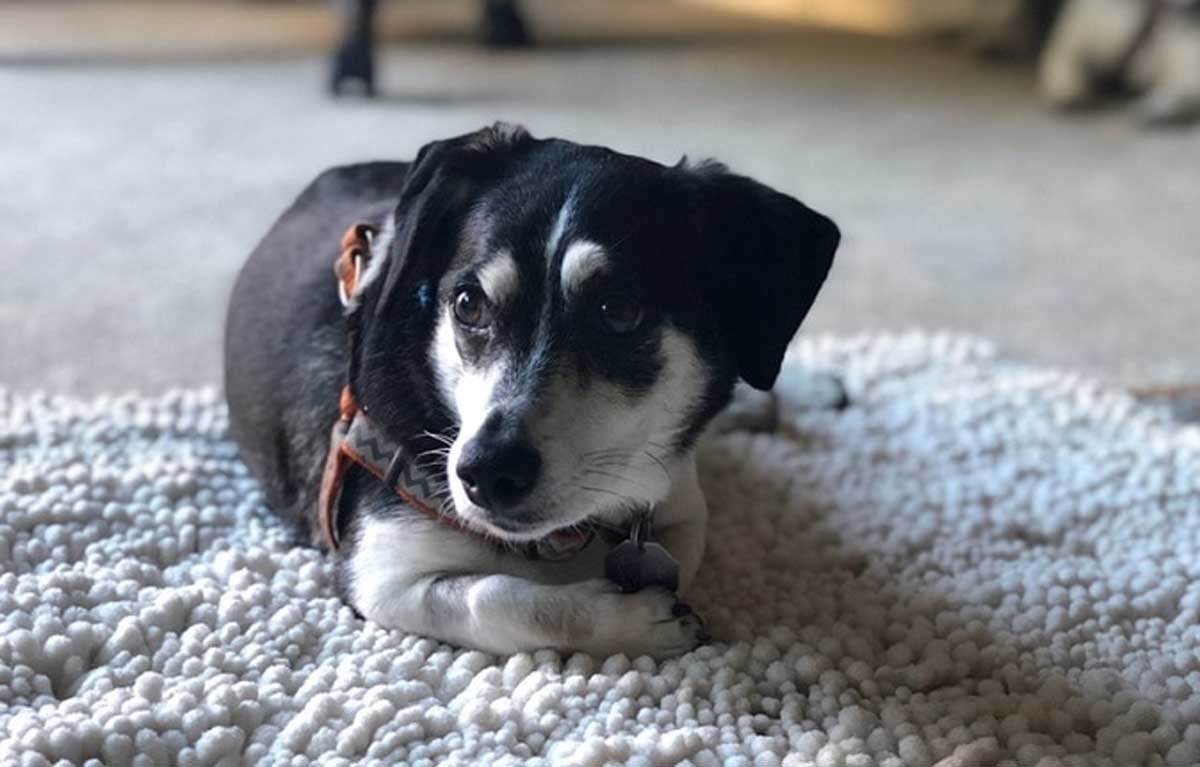
Often it’s a guess. A reasonable one, but still a guess, because small short-coated dogs get labeled rat terrier mix or dachshund mix on looks alone, and plenty of owners spend months wondering what they actually brought home.
Here’s a first-time owner asking the rat terrier community exactly that in June 2026:
“I think I see mostly Rat Terrier, some Dachshund maybe? Curious what others see who know better!”
– r/ratterriers, June 2026 (237 upvotes)
A DNA test answers it, and I’d say the answer earns its price when the care plan depends on it. If your dog is long-backed and low, plan the back care whatever the paperwork says. If the cross turns out to include a jack russell rather than a rat terrier, the Jackshund guide covers that combination.
Common questions
What is a Dachshund Rat Terrier mix called?
Toy Rat Doxie is the usual name, and Ratshund shows up in some listings. Neither one’s recognized by a kennel club, so you’ll also see the dog described plainly as a rat terrier dachshund mix.
What is the life expectancy of a rat terrier dachshund mix?
Both parent breeds are long-lived, so the cross usually is too. The AKC gives 12 to 18 years for the Rat Terrier and 12 to 16 for the Dachshund, and there’s no separate published figure for the cross itself.
What is the temperament of a dachshund terrier mix?
Alert, affectionate with its own people, and busier than its size suggests. Both parents were bred to hunt, so you’ll get barking at arrivals, digging in the yard, and a chase response that doesn’t negotiate with squirrels or cats.
Are rat terrier mixes good family dogs?
They can be, with two conditions. Give the dog a job for its nose, stay consistent about the barking, and set the house up for a long back before you need it. That’s three things, really, but the first two are the same habit.
How much does one cost?
There’s no reliable price figure for this cross. No club or registry publishes data, and listings swing by seller and region, so any single number you see isn’t a going rate. It’s one seller’s asking price.
