Schnauzer Dachshund Mix: Size, Back Care and the DNA Question

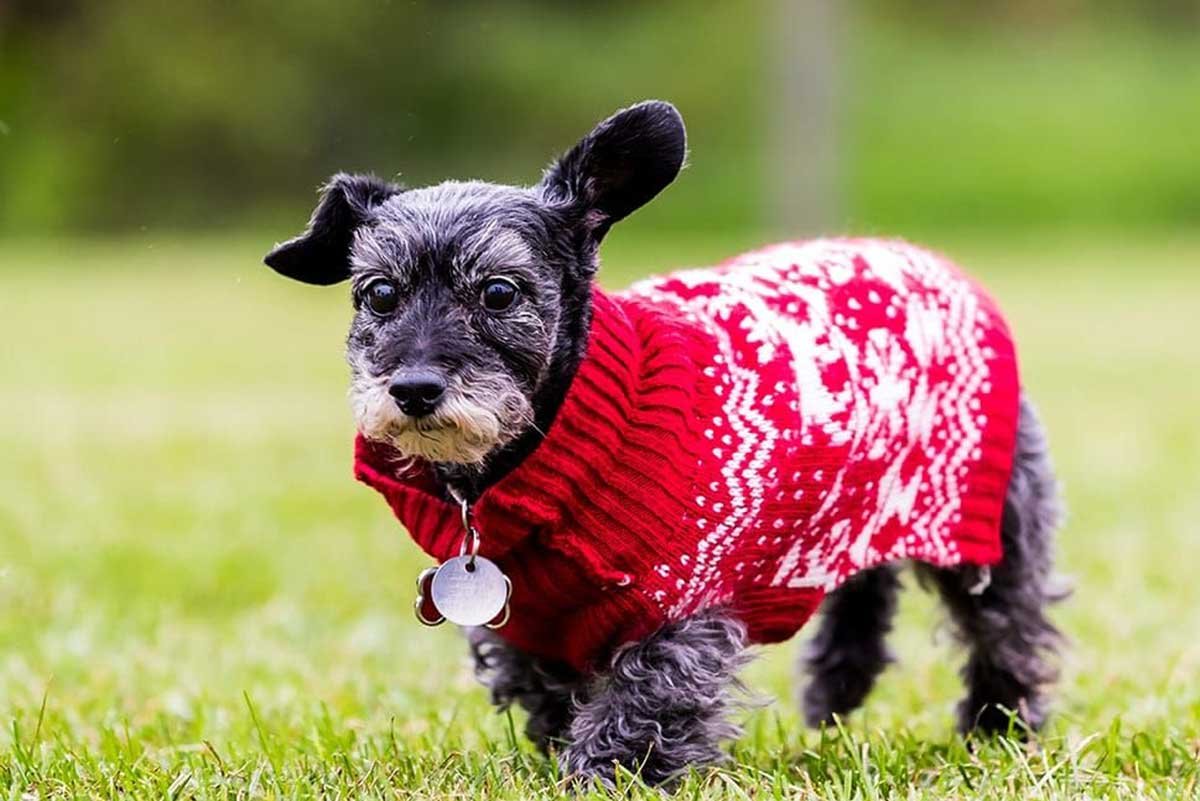
A schnauzer dachshund mix is usually sold as a Schnoxie. Expect a small, loud, opinionated dog somewhere between 11 and 30 pounds, with a back that needs dachshund-style care from day one.
The coat is the part nobody can promise you. Neither is the leg length, and that second one matters more than it sounds, because it decides how much of the dachshund’s back trouble you may have signed up for.
So what can you actually predict before the dog grows up? Here’s what the two parent standards give you, what they don’t, and how to check whether your dog’s really part schnauzer at all.
What a Schnoxie is, and what it isn’t
A Schnoxie is a cross between a Miniature Schnauzer and a Dachshund. You’ll also see Miniature Schnoxie, Schnauzer Doxie, and a few spellings people make up on the spot. They’re all the same dog.
It isn’t a breed. No kennel club recognizes it, so there’s no standard telling you what an adult should look like. Wag’s breed directory puts the cross’s origin in the 1990s and says little is documented about why it was created.
Why does that matter? With a recognized breed, the standard is your forecast. Here it’s the parents, and a first-generation puppy can land anywhere between them.
How big a schnauzer dachshund mix gets
Most adults land between 11 and 30 pounds, and the dachshund parent does most of the deciding. Start with what the two parent breeds measure, since those standards are the only firm numbers anyone has. Both sets of figures come from the American Kennel Club breed pages.
| Parent breed | Height | Weight | Life expectancy |
|---|---|---|---|
| Miniature Schnauzer | 12 to 14 in | 11 to 20 lb | 12 to 15 years |
| Dachshund (standard) | 8 to 9 in | 16 to 32 lb | 12 to 16 years |
| Dachshund (miniature) | 5 to 6 in | 11 lb and under | 12 to 16 years |
So the honest range is wide.
A Schnoxie out of a miniature dachshund usually stays in the low teens. One out of a standard dachshund can run over 25 pounds.
Wag’s directory lists the cross at 10 to 14 inches tall and 12 to 30 pounds, which lines up with that spread. Treat it as a range, not a promise.
Ask the breeder or the rescue which dachshund size was in the litter. My Pretzel is a miniature, so a cross out of a dog his size starts from the bottom of that range. That one answer narrows the forecast more than any photo will.
Plan for the back before you need to
This is the part I’d put first if you’re choosing between crosses. Dachshunds carry a high rate of intervertebral disc disease, and Dachshund Health UK estimates around 1 in 4 are affected at some point.
Nobody can tell you how much of that risk crosses over. A puppy can inherit the long back without the longer schnauzer legs, and you won’t know which build you’ve got until the dog’s grown. So what do you do in the meantime? You set the house up as if the dachshund side won.
My Bruno went through a disc episode, surgery and a long recovery before he got his mobility back. What I wish I’d set up earlier was the boring stuff: a ramp at the couch, a lean body condition, and a two-handed lift with support under the chest and the rump, the way Dachshund IVDD Support Australia teaches it.
Stairs are a smaller worry than most advice suggests, and the evidence on household stairs is worth reading before you gate yours off. Early warning signs sit on the dachshund health problems page.
The coat is the toss-up
Schnauzers wear a wiry double coat that’s clipped or hand-stripped every few months. Dachshunds come in three coats: smooth, long-haired and wirehaired.
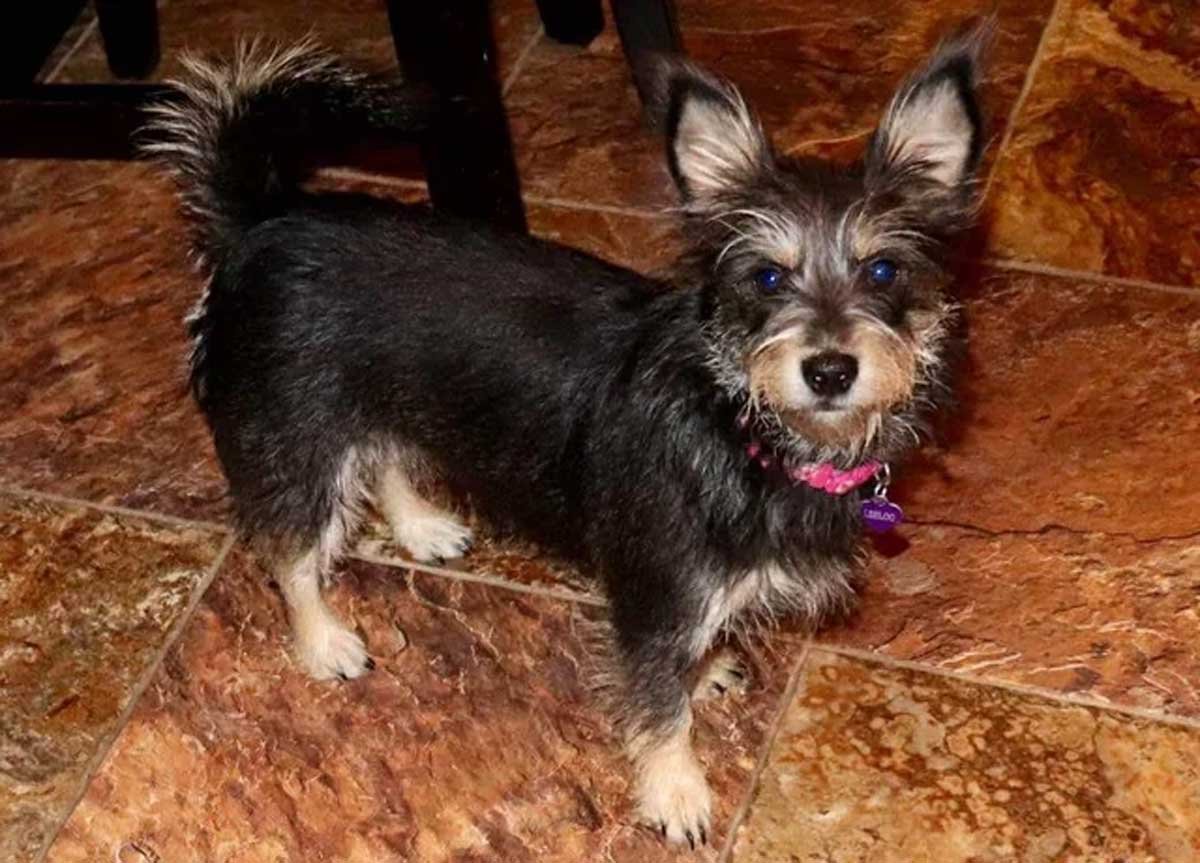
Cross the two and you can get any of it.
A wiry Schnoxie needs regular trimming and beard cleaning. A smooth one needs a brush and not much else. A long-haired one sits somewhere in between, with feathering that mats behind the legs if you skip a week, which is the kind of thing you only find out after you’ve skipped a week.
If grooming time matters to your week, don’t book from a photo. Wait until you can see and feel the puppy’s coat.
Expect a talker
Both parents were bred to work, and it shows. The Dachshund Club of America standard describes a dog built for below-ground work, with a loud tongue. The American Miniature Schnauzer Club describes the Schnauzer’s history as a farm dog and rat catcher.
Wag’s directory notes that some Schnoxies are quite vocal and may not suit apartment living.
Plan for barking training early. Don’t count on the dog growing out of it.
Health checks worth asking about
Wag’s directory lists hypothyroidism, idiopathic epilepsy and canine glaucoma as major concerns for this cross, with cataracts, seborrhea and progressive retinal atrophy as minor ones, plus diabetes among occasional diagnoses. It suggests eye exams, blood and urine analysis, blood glucose tests, and skin and hair exams.
Read that as a directory’s checklist, not as research. No published study follows this cross specifically, so the list is really the two parent breeds’ known problems pooled into one column, which is a reasonable starting point and nothing more. It tells you what to ask about. It can’t tell you how likely any of it is in a dog whose parentage nobody has verified, and it says nothing about the back, which is the risk the dachshund side actually brings.
It’s still a useful script for a vet visit. Ask what the parents were screened for. Ask to see the results, not a yes, because a breeder who can’t produce them probably hasn’t done them.
Is your dog even part schnauzer?
Often you can’t tell by looking, and a DNA test is the only way to know. A wiry small dog gets labeled a schnauzer mix constantly, at shelters and in listings alike, and that guess is wrong often enough that owners keep finding out the hard way.
A rescue posted to r/DoggyDNA in September 2025 after a DNA test came back with a different story than the shelter’s guess. The thread drew 2,567 upvotes, and the top replies were all versions of the same joke:
“Yk how the old saying goes, if it walks like a Schnauzer and barks like a Schnauzer, its probably a Poodle”
– r/DoggyDNA, September 2025 (693 upvotes)
Dachshund owners get the mirror image, and it’s just as common. On a thread asking what a spotted puppy was mixed with, the answer was that she probably wasn’t mixed at all: the spots were ticking on a piebald dachshund.
A DNA test is the only way to settle it. It’s worth doing if the answer changes your care plan, and here it usually does, because the dachshund share decides how careful you need to be with the back.
Common questions
What do you call a Dachshund Schnauzer mix?
It’s called a Schnoxie. Breed directories list it as a Miniature Schnoxie when the schnauzer parent is a Miniature Schnauzer, and Schnauzer Doxie turns up as well. None of these names are official, since no kennel club recognizes the cross.
How big does a schnauzer dachshund mix get?
Adults usually land between 11 and 30 pounds. The dachshund parent’s size does most of the deciding: a miniature dachshund parent keeps the cross small, while a standard dachshund parent can push it over 25 pounds.
How long do they live?
Both parent breeds are long-lived. The AKC gives 12 to 15 years for the Miniature Schnauzer and 12 to 16 for the Dachshund, so a healthy Schnoxie should sit in that band. There’s no separate lifespan figure for the cross itself.
How much does a Schnoxie cost?
There’s no reliable price figure for this cross. Listings vary by seller and region, and no breed club or registry publishes data, so treat any number you see as one seller’s asking price. It isn’t a market rate.
Are they good family dogs?
They can be, with two caveats. Plan for a vocal dog. Plan for dachshund-style back care too, including a ramp for furniture and no jumping down from the couch.
