
Dachshund Bad Breath: Causes, Fixes & When to Worry

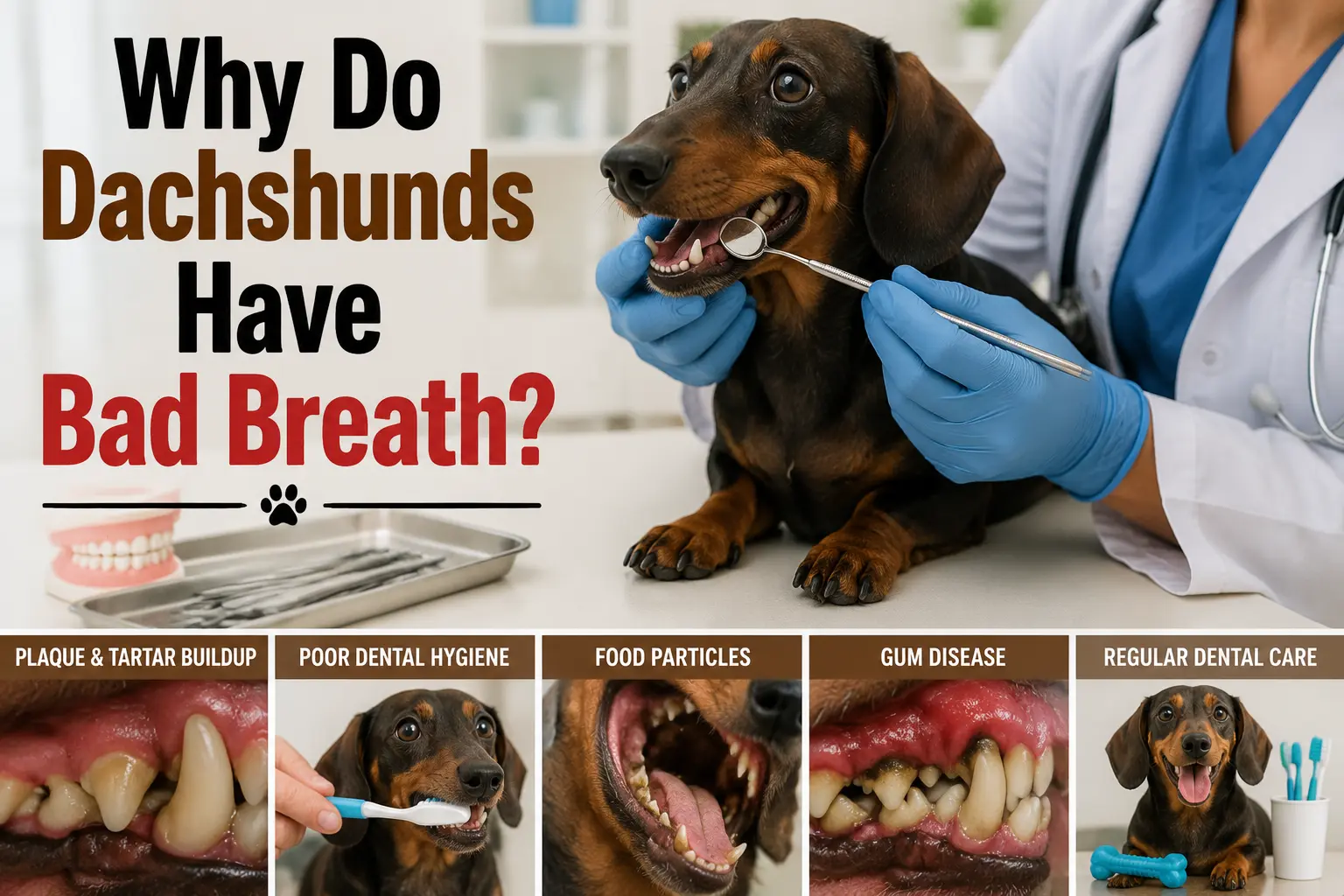
If you have ever leaned in for a cuddle with your dachshund only to be hit with a wave of something truly unpleasant, you are not alone. I remember the first time my mini doxie, Bruno, yawned right in my face. I thought something had crawled into his tiny mouth and called it home. It was that bad.
So I went on a mission to find out exactly why do dachshunds have bad breath and whether it was something to laugh off or something to actually worry about. What I found surprised me, and it might surprise you too.
Why Do Dachshunds Have Bad Breath More Than Other Dogs?
Before we get into specific causes, let’s answer the big question: why do dachshunds have bad breath at a higher rate than many other breeds?
The answer comes down to anatomy. Dachshunds have small, elongated heads and compact mouths, which means their teeth are packed in more tightly than those of larger dogs. This crowding makes it nearly impossible for saliva alone to rinse away food particles and bacteria effectively.
According to a 2024 report by Banfield Pet Hospital analyzing data from over 3 million pets, roughly 73% of dogs seen at their clinics had some form of diagnosed dental issues. Even more telling, research from the Waltham Petcare Science Institute found that extra-small dog breeds weighing under 14.3 pounds are up to five times more likely to develop periodontal disease than giant breeds. Since most dachshunds fall well within that weight range, they are already starting at a disadvantage.
That stacked anatomy, combined with a breed tendency toward tartar and plaque buildup, is the core reason why do dachshunds have bad breath is such a common Google search among doxie owners.
The 7 Most Common Reasons Why Do Dachshunds Have Bad Breath
1. Poor Dental Hygiene and Plaque Buildup
This is the number one culprit. When plaque is not removed from your dachshund’s teeth within a day or two, it mineralizes into tartar, also called calculus. That hardened buildup creates the perfect environment for odor-producing bacteria to thrive.
According to VCA Animal Hospitals, more than two-thirds of dogs over three years old suffer from some degree of periodontal disease, making it the most common condition affecting pet dogs overall. For dachshunds specifically, their small jaw structure accelerates this process significantly.
The bacteria responsible for periodontal disease produce volatile sulfur compounds, which are the same chemicals responsible for the rotten egg smell associated with severe halitosis. That is why a dachshund with untreated dental disease can have breath that clears the room.
2. Gingivitis and Periodontal Disease
Gingivitis is the early stage of gum disease. It presents as red, inflamed, or bleeding gums and is directly linked to plaque accumulation around the gum line. Left untreated, gingivitis progresses into periodontitis, where the supporting structures of the teeth begin to break down.
This is one of the most important reasons why do dachshunds have bad breath that owners overlook, because the early signs are subtle. Your dog may still eat normally and act playfully, but internally, the infection is advancing.
Periodontitis does not just cause bad breath. The bacteria can enter the bloodstream through damaged gum tissue and potentially affect the heart, liver, and kidneys. In other words, bad breath in your dachshund is sometimes the first visible symptom of a systemic health issue.
3. Diet and Food Choices
What goes in must come out, and for dachshunds, diet plays a bigger role in breath quality than most owners realize. Foods that are high in carbohydrates are particularly problematic.
Unlike humans, dogs do not produce amylase in their saliva. Amylase is the enzyme that begins breaking down carbohydrates in the mouth. Without it, starchy food particles linger on the teeth and in the gaps between them, feeding bacteria and producing foul odors.
Wet food, fish-based diets, and certain treats can also temporarily intensify the smell. This type of bad breath is typically short-lived and does not signal a health problem, but it is still worth noting when asking why do dachshunds have bad breath after meals.
4. Tooth Root Abscesses
A tooth root abscess happens when bacteria penetrate the root canal of a tooth and cause a localized infection. The infected tissue produces pus and a particularly foul, persistent odor that no amount of dental chews will mask.
Dachshunds are prone to this condition because they love to chew. Hard objects like bones, antlers, and certain toys can crack the tooth enamel, creating an entry point for bacteria. Once an abscess forms, it will not resolve on its own and requires veterinary treatment, typically extraction or a root canal.
If your dachshund’s breath suddenly becomes much worse and they seem reluctant to eat on one side of their mouth, a tooth root abscess may be the answer to why do dachshunds have bad breath so severely.
5. Gastrointestinal Issues
Not all bad breath originates in the mouth. Sometimes the smell is coming from further down the digestive tract. Dachshunds can be prone to gastrointestinal issues including acid reflux, intestinal bacterial overgrowth, and food sensitivities.
When the gut microbiome is out of balance, it can produce gases that travel upward and exit through the mouth. If your dachshund belches frequently or has digestive irregularities alongside bad breath, the gut may be the real source.
A veterinarian may recommend a probiotic to help rebalance gut flora as a first step when gastrointestinal causes are suspected.
6. Kidney or Liver Disease
This one is serious. When the kidneys are not functioning properly, waste products like urea accumulate in the bloodstream instead of being filtered out through urine. These compounds are eventually exhaled through the lungs, giving the breath a distinctive ammonia or urine-like smell.
Similarly, liver disease can produce breath that has a musty, sweet-sour quality, sometimes described as smelling like a mouse cage. Both of these are medical emergencies that require immediate veterinary attention.
This is a critical reason why do dachshunds have bad breath should never be dismissed as just “doggy breath,” especially in older dogs.
7. Diabetes
Diabetic dogs often have breath that smells fruity or sickeningly sweet. This is caused by ketones, which are by-products of fat metabolism that the body produces when it cannot properly use glucose for energy. Dachshunds are actually among the breeds with a higher-than-average risk for diabetes.
If your dachshund is drinking more water than usual, urinating frequently, losing weight despite a normal appetite, and has noticeably sweet-smelling breath, a diabetes test is warranted.
Common Causes at a Glance
| Cause | Smell Type | Urgency Level |
|---|---|---|
| Plaque and tartar buildup | Stale, musty | Moderate |
| Gingivitis / periodontal disease | Rotten, sulfurous | High |
| Diet-related | Food-specific, temporary | Low |
| Tooth root abscess | Extremely foul, persistent | Very High |
| Gastrointestinal issues | Gassy, sour | Moderate |
| Kidney disease | Ammonia or urine-like | Emergency |
| Diabetes | Fruity or sweet | Emergency |
How to Tell If It Is a Dental Problem or Something Worse
Knowing why do dachshunds have bad breath is only half the battle. The other half is knowing when to act fast. Here are some red flags that should prompt an immediate vet visit:
- Breath that smells like ammonia, urine, or fruit
- Sudden, dramatic worsening of breath with no dietary change
- Bloody gums, loose teeth, or facial swelling
- Reluctance to eat, especially on one side
- Excessive thirst and urination alongside bad breath
- Lethargy, weight loss, or vomiting
For everyday dental-related bad breath, a consistent home care routine combined with regular professional cleanings can make a significant difference.
Practical Ways to Fix and Prevent Bad Breath in Dachshunds
Start Brushing Their Teeth Early
Daily brushing is the gold standard for preventing the dental disease that drives why do dachshunds have bad breath in most cases. Use a dog-specific toothbrush and enzymatic toothpaste. Never use human toothpaste, as it contains xylitol, which is toxic to dogs.
Getting your dachshund accustomed to brushing as a puppy makes the process much smoother. Even a brief 30-second brush session daily can dramatically slow plaque accumulation.
Schedule Professional Dental Cleanings
Even with diligent home brushing, professional cleanings under anesthesia are necessary to remove hardened tartar from below the gum line. Most veterinarians recommend at least one professional cleaning per year for small breeds like dachshunds.
Upgrade Their Diet
Switching to a low-carbohydrate, high-quality dog food can reduce bacterial fuel in the mouth. There are also specially formulated dental diets that have a kibble texture designed to scrub teeth as the dog chews. Look for products that carry the Veterinary Oral Health Council (VOHC) seal of approval.
Use Dental Chews and Water Additives
VOHC-approved dental chews can supplement brushing by mechanically cleaning tooth surfaces. Water additives containing enzymes can also help reduce the bacterial load in your dachshund’s mouth between brushings.
Offer the Right Chew Toys
Stick to rubber or nylon chew toys that are firm but have some give. Avoid hard bones, antlers, and ice cubes, which can fracture teeth and open the door to abscesses.
Check the Gut
If your dachshund’s breath does not improve with dental care, ask your vet about a gut health assessment. A course of probiotics or a dietary change targeting the microbiome might be the missing link in figuring out why do dachshunds have bad breath in your specific dog.
Personal Take: What Finally Worked for Bruno
After discovering that Bruno’s terrible breath was a combination of plaque buildup and a mildly imbalanced gut, I made two changes. First, I started brushing his teeth every evening after his last meal. Second, I switched him to a lower-carb food and added a canine probiotic to his routine.
Within about six weeks, the difference was noticeable. He still has opinions about the toothbrush, but our cuddle sessions are no longer an act of courage. Understanding exactly why do dachshunds have bad breath changed how I approached his whole health routine, not just his mouth.
For a deeper dive into dachshund health and care topics, explore our Dachshund Guides where we cover everything from back health to nutrition.
When to See the Vet About Dachshund Bad Breath
Do not wait until the smell is unbearable. The American Veterinary Dental College recommends annual oral exams starting in puppyhood, with professional cleanings as advised by your vet. Early intervention prevents the progression from mild gingivitis to full periodontal disease and can add years to your dachshund’s life.
If you are ever unsure whether the breath is just dental or something systemic, a blood panel at your annual vet visit can screen for kidney disease, liver function, and diabetes simultaneously. It is a small investment with potentially life-saving information.
Conclusion
Understanding why do dachshunds have bad breath is genuinely important for their long-term health. In most cases, the culprit is dental disease driven by their compact mouth anatomy and a tendency toward rapid tartar buildup. But as we have seen, bad breath can also be a warning sign of kidney disease, liver problems, diabetes, or gastrointestinal imbalances that need professional attention.
The good news is that most cases are preventable or manageable with consistent dental hygiene, a quality diet, and regular veterinary care. Your dachshund’s breath does not have to be the thing you brace yourself for every time they yawn in your direction.
Frequently Asked Questions
Why do Dachshunds have bad breath even when I feed them quality food?
Even high-quality dog food cannot prevent plaque and tartar from forming on your Dachshund’s teeth. The most effective way to remove the bacteria that cause bad breath is through regular tooth brushing. While a nutritious diet supports overall oral health, it cannot replace a proper dental care routine.
Is bad breath in Dachshunds always a sign of dental disease?
No. Although dental disease is the most common cause of bad breath, other health problems—including gastrointestinal disorders, kidney disease, liver disease, and diabetes—can also produce unpleasant breath. If your Dachshund’s breath smells unusually strong, sweet, or ammonia-like, schedule a veterinary examination.
How often should I brush my Dachshund’s teeth?
Daily brushing is the gold standard for maintaining healthy teeth and gums. If brushing every day isn’t possible, aim for three to four times per week, which can still significantly reduce plaque buildup and improve oral health.
At what age do Dachshunds start developing dental problems?
Dental disease can begin as early as 2–3 years of age, and many dogs over three years old already show signs of periodontal disease. Starting a dental care routine during puppyhood is the best way to reduce the risk of future dental problems.
Can dental chews replace brushing for Dachshunds?
No. Dental chews are a valuable addition to your Dachshund’s oral care routine, but they cannot replace brushing. While they help reduce plaque on the tooth surface, they cannot effectively clean below the gum line where harmful bacteria often accumulate.
