Shetland Sheepdog Dachshund Mix: The Ultimate Guide

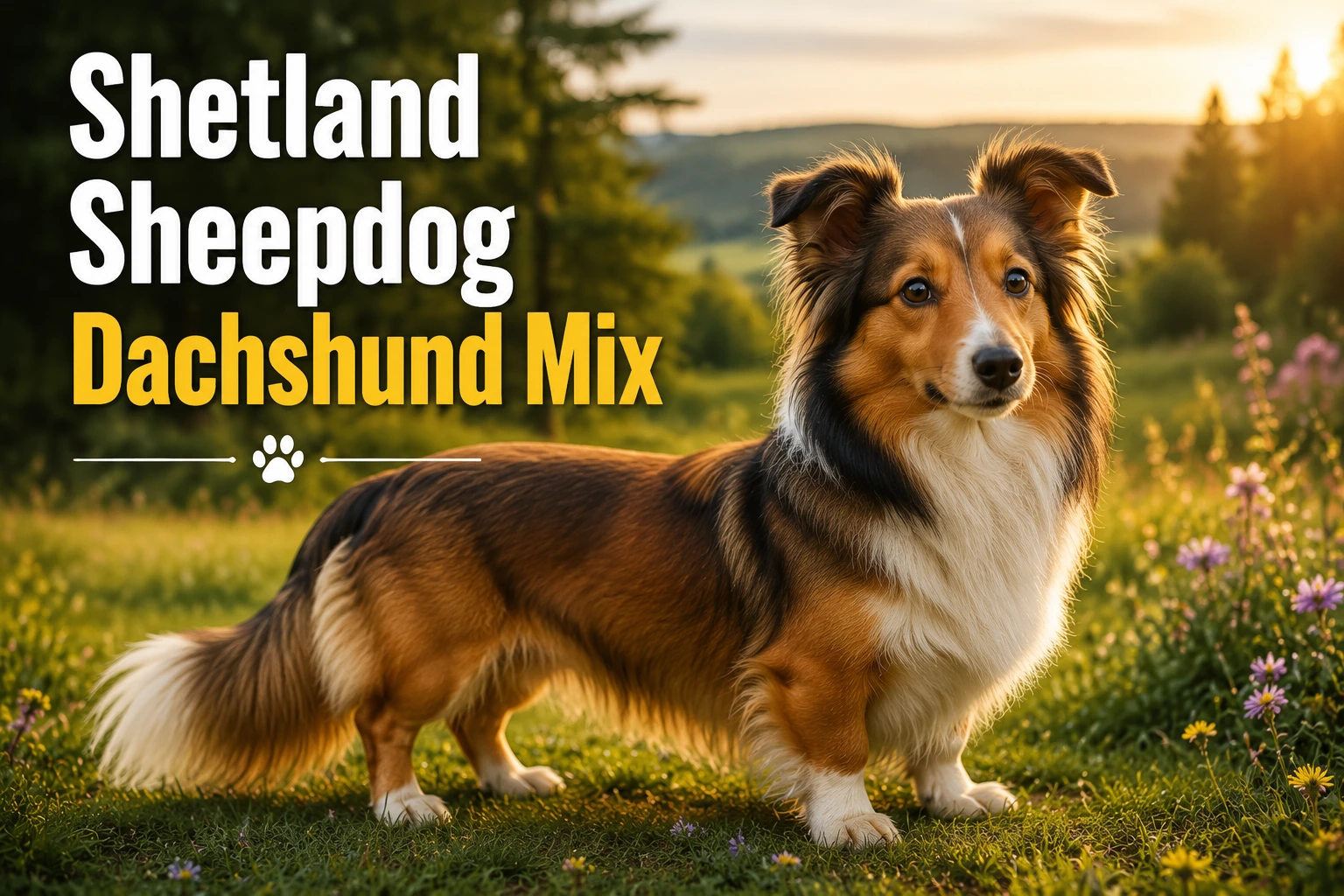
If you’ve ever looked at a fluffy Sheltie and a spirited Dachshund and thought, what would happen if these two had puppies? welcome to the wonderfully quirky world of the Shetland Sheepdog Dachshund mix, also called the Shethund. I’ll be honest: the first time I came across one, I couldn’t stop staring. It had the elegant coat of a Sheltie, the compact body of a Dachshund, and an expression that seemed to say, “I know exactly what I’m doing, and I’m doing it on purpose.”
This hybrid is quietly winning hearts across households, and for good reason. It combines two working-breed dogs one bred to herd, one bred to hunt into a single small-to-medium companion that brings intelligence, loyalty, and a healthy dose of attitude. Whether you’re a first-time dog parent or an experienced handler, this guide covers everything you need to know about the Shetland Sheepdog Dachshund mix before bringing one home.
What Exactly Is the Shetland Sheepdog Dachshund Mix?
The Shetland Sheepdog Dachshund mix is a designer hybrid born from two purebred parents: the Shetland Sheepdog (Sheltie) and the Dachshund. The result is what breeders and enthusiasts call the Shethund a compact, energetic, and deeply affectionate dog.
According to Wag!, the Shethund is recognized by the Designer Breed Registry, lending it a level of formal acknowledgment in the hybrid dog world. The Dachshund itself was officially recognized by the American Kennel Club in 1885, while the Sheltie has long been celebrated for its herding intelligence. Bringing these two lineages together creates a dog that’s part lap companion, part watchdog, and wholly unique.
According to a 2024 Rover report, non-designer mixed breeds are the most popular dog type in America and the Shetland Sheepdog Dachshund mix fits right into this growing wave of intentional hybrid breeding. A 2024 Rover survey found that Gen Z pet parents are 60% more likely to choose mixed or designer breeds, citing personality, adaptability, and social media appeal as key factors.
A Tale of Two Working Dogs: Origin Story
To understand the Shetland Sheepdog Dachshund mix, you need to appreciate where each parent comes from.
The Shetland Sheepdog: Scotland’s Herding Royalty
Shetland Sheepdogs hail from the Shetland Islands of Scotland the same remote archipelago that gave the world Shetland ponies. The area’s harsh, sparse conditions favored smaller breeds of livestock and, naturally, smaller dogs to herd them. Shelties were bred to be alert, responsive, and deeply attuned to their human families. Adult Shelties stand just 13–16 inches tall and weigh between 15–25 pounds, making them one of the most capable working dogs for their size.
The Dachshund: Germany’s Bold Burrower
The Dachshund has an equally compelling backstory. Originally bred in Germany to hunt badgers and boars, Dachshunds came in varying sizes depending on the prey 30 to 35 pounds for hunting badgers and boars, down to 12 pounds for hunting hares and weasels. Their short legs and sturdy bodies made them perfect for these underground tasks. Today, the Dachshund remains one of the most recognized breeds in the world, beloved for its bold personality packed into a long, low body.
When you combine these two lineages in the Shetland Sheepdog Dachshund mix, you get a dog that’s hardwired for work, loyalty, and a touch of stubbornness in the most endearing way possible.
What Does a Shethund Look Like?
Appearance in a Shetland Sheepdog Dachshund mix is genuinely a mystery box in the best way. Since genetics in hybrid dogs aren’t perfectly predictable, each Shethund can look dramatically different from the next.
Physical Traits and Size
The Shethund may inherit the Sheltie’s nose, coat, and body combined with the short legs of a Dachshund. Ears are set high and may be long, soft, and hanging, or smaller and erect with tips folding forward.
In terms of size, the Shetland Sheepdog Dachshund mix typically falls into a compact range:
| Feature | Range |
|---|---|
| Height | 8–15 inches at the shoulder |
| Weight | 12–25 pounds |
| Lifespan | 12–15 years |
| Coat Type | Medium, double-coated; can be straight, smooth, or slightly wavy |
| Coat Colors | Brown, tan, red, sable, blue merle, black and white |
Coat colors in the Shethund can include brown, tan, red, sable, blue merle, and white, with a medium straight double coat a long straight topcoat over a short fluffy undercoat.
Temperament: What to Really Expect
This is where the Shetland Sheepdog Dachshund mix gets genuinely fascinating. The personality of a Shethund can swing between the calm, people-pleasing disposition of the Sheltie and the feisty, fearless attitude of the Dachshund sometimes within the same afternoon.
The Shethund is known to be independent, social, loving, lively, loyal, playful, and responsive, with a high level of sensitivity and a tendency to be a frequent barker.
Shethunds that lean toward the Dachshund parent may have a predisposition to be territorial and assertive, but enough socialization prevents behavioral issues. Others are friendly dogs that greet everyone with a wagging tail. The sheep-herding and hunting lineage of the Shethund makes this hybrid a vocal breed they bark frequently to communicate and have a loud bark that grabs attention for their size.
One thing I find particularly charming about the Shetland Sheepdog Dachshund mix is its emotional intelligence. These dogs notice everything. They pick up on your mood before you’ve even processed it yourself. That Sheltie sensitivity runs deep.
Key Personality Traits at a Glance
- Loyal and bonded — forms strong attachments to family members
- Intelligent and eager to learn — both parent breeds rank among the more trainable dogs
- Vocal — will alert bark; not ideal for noise-sensitive apartments without training
- High prey and herding drive — may attempt to “herd” children or chase small animals
- Affectionate but independent — loves cuddles, but won’t be a pushover
Training the Shetland Sheepdog Dachshund Mix
Here’s where owning a Shetland Sheepdog Dachshund mix becomes a delightful puzzle. Both parent breeds are intelligent, but they use that intelligence differently. Shelties are eager to please and highly responsive to positive reinforcement. Dachshunds, on the other hand, have a bit of a “convince me” attitude they want to understand why they’re doing something before committing.
The Shethund is an intelligent dog that loves to learn and accepts challenges. It is easily trainable and enjoys mental stimulation.
Training tips for your Shethund:
- Start socialization early expose puppies to children, other pets, and strangers during the first 12 weeks
- Use reward-based training; harsh methods will backfire with the Sheltie’s sensitive side
- Keep sessions short and varied to hold the Dachshund’s attention
- Enroll in puppy obedience classes for structured socialization
- Be consistent the Dachshund half will test boundaries
Health and Lifespan: What You Need to Know
One of the genuine advantages of the Shetland Sheepdog Dachshund mix is the potential for hybrid vigor the tendency for mixed-breed dogs to be healthier than their purebred parents by inheriting a wider genetic pool. That said, both parent breeds carry hereditary conditions that prospective Shethund owners should be aware of.
Common Health Concerns
Key health concerns for Shelties include Collie Eye Anomaly (CEA), progressive retinal atrophy, hip dysplasia, MDR1 gene mutation sensitivity, congenital deafness especially in merle dogs, and autoimmune skin conditions like dermatomyositis.
From the Dachshund side, the most significant concern is Intervertebral Disc Disease (IVDD) a spinal condition directly linked to the breed’s long back and short legs. Studies suggest up to 25% of Dachshunds experience disc-related back problems during their lifetime (PetMD). If your Shetland Sheepdog Dachshund mix inherits a longer torso, IVDD risk becomes a real consideration.
Von Willebrand disease, a bleeding disorder affecting blood clotting, occurs in approximately 23% of Shetland Sheepdogs another inherited condition worth screening for via genetic testing before adopting.
Lifespan
A healthy Shethund can live up to 15 years with regular, specialized care. That’s a meaningful commitment and one that rewards you richly.
Preventive health tips:
- Schedule annual vet check-ups with spinal assessments
- Keep weight in the healthy range (obesity worsens IVDD risk dramatically)
- Use ramps instead of stairs for dogs with shorter legs
- Ask breeders for genetic health testing results (CEA, MDR1, von Willebrand)
- Provide joint-supportive nutrition from middle age onward
Grooming the Shetland Sheepdog Dachshund Mix
Grooming needs for your Shetland Sheepdog Dachshund mix depend heavily on which coat type they inherit. A Sheltie-dominant coat means you’re looking at regular brushing sessions think two to three times per week to manage shedding and prevent matting. A Dachshund-dominant smooth coat is far more low-maintenance.
Grooming essentials:
- Brush 2–3x per week for medium or longer coats
- Bathe every 4–6 weeks or as needed
- Clean ears weekly to prevent infection (especially if ears hang down)
- Trim nails every 3–4 weeks
- Brush teeth several times per week; dental disease is common in small breeds
The double coat of the Shetland Sheepdog Dachshund mix will blow out seasonally expect heavier shedding in spring and fall. A deshedding brush and a good vacuum are your best friends.
Exercise and Living Environment
The Shetland Sheepdog Dachshund mix has moderate-to-high energy requirements that reflect both working-breed bloodlines. These aren’t couch potatoes but they’re not marathon dogs either.
The Shethund does well in a variety of living situations and is suitable for families, couples, and individuals who enjoy time outdoors. It can adapt to indoor living as long as it receives adequate exercise and mental stimulation.
Daily exercise needs:
- 30–45 minutes of physical activity (walks, fetch, yard play)
- Mental enrichment through puzzle toys, training games, or nose work
- Avoid high-impact jumping on dogs with potential spinal vulnerability
The Shetland Sheepdog Dachshund mix is a lovable blend of loyalty, intelligence, and protection that can fit into any home of any size located anywhere apartments included, as long as exercise needs are met.
Is the Shethund Right for Your Family?
The Shetland Sheepdog Dachshund mix thrives in homes where someone is consistently present, engaged, and patient. She’s a good fit for new owners, but if you have young children, she’ll need socialization at a very young age to get along well with kids who may not know how to interact with her. She’ll probably get along with the family cat, but keep in mind that she has a high hunting drive.
This is the kind of dog that will follow you from room to room, greet you at the door like you’ve returned from a six-month voyage, and quietly settle beside you during movie night. The Shetland Sheepdog Dachshund mix is a whole personality in a compact body.
Quick Compatibility Snapshot
| Household Type | Compatibility |
|---|---|
| Singles or couples | ✅ Excellent |
| Families with older children | ✅ Great with socialization |
| Families with toddlers | ⚠️ Needs early training |
| Apartment dwellers | ✅ Suitable with daily exercise |
| Multi-pet homes | ⚠️ Manageable with introduction care |
| First-time dog owners | ✅ Manageable with commitment |
Where to Find a Shetland Sheepdog Dachshund Mix
Finding a reputable Shetland Sheepdog Dachshund mix requires patience and some due diligence. The Shethund is not as widely bred as Doodles or other designer dogs, which means responsible breeders are rarer but they do exist.
What to look for:
- Breeders who health-test both parent dogs (CEA, MDR1, hip scores, von Willebrand)
- Transparent breeding practices with parent dog information available
- Socialization of puppies from birth
You can also check breed-specific rescue organizations for Shelties and Dachshunds mixed-breed dogs matching the Shethund profile appear regularly in rescues, and adoption is always a meaningful path.
For a deep dive into the Dachshund parent’s health, behavior, and compatibility with mixed breeds, the American Kennel Club offers a thorough breed resource that’s worth bookmarking.
Frequently Asked Questions
How big does a Shetland Sheepdog Dachshund mix get?
A typical Shetland Sheepdog Dachshund mix stands between 8 and 15 inches tall and weighs between 12 and 25 pounds, depending on which parent’s genes are more dominant. Size can vary significantly even within the same litter.
Is the Shethund good with kids?
The Shetland Sheepdog Dachshund mix can be wonderful with children when properly socialized from a young age. However, due to the Dachshund’s territorial nature and the Sheltie’s sensitivity, interactions with very young children should always be supervised. Older children who understand gentle handling tend to bond deeply with this mix.
How long does a Shetland Sheepdog Dachshund mix live?
With proper nutrition, regular veterinary care, and a healthy weight, the Shetland Sheepdog Dachshund mix can live between 12 and 15 years a rewarding lifespan for a companion this devoted.
Does the Shethund shed a lot?
Yes particularly if the Shetland Sheepdog Dachshund mix inherits the Sheltie’s dense double coat. Expect moderate to heavy shedding year-round with heavier seasonal blow-outs. Regular brushing dramatically reduces the amount of fur on your furniture.
Is the Shetland Sheepdog Dachshund mix easy to train?
Generally, yes both parent breeds are intelligent, and the Shetland Sheepdog Dachshund mix typically picks up commands quickly. The Dachshund’s streak of independence means consistency and patience matter, but positive reinforcement methods work exceptionally well. With the right approach, what could this clever little hybrid not learn to do?
Looking for more in-depth guides on Dachshund mixes, care, and health? Browse our full library of Dachshund Guides updated regularly with expert-backed advice for dachshund lovers.
