
Dachshunds Seasonal Allergies: Complete Guide to Managing Spring & Summer Itch

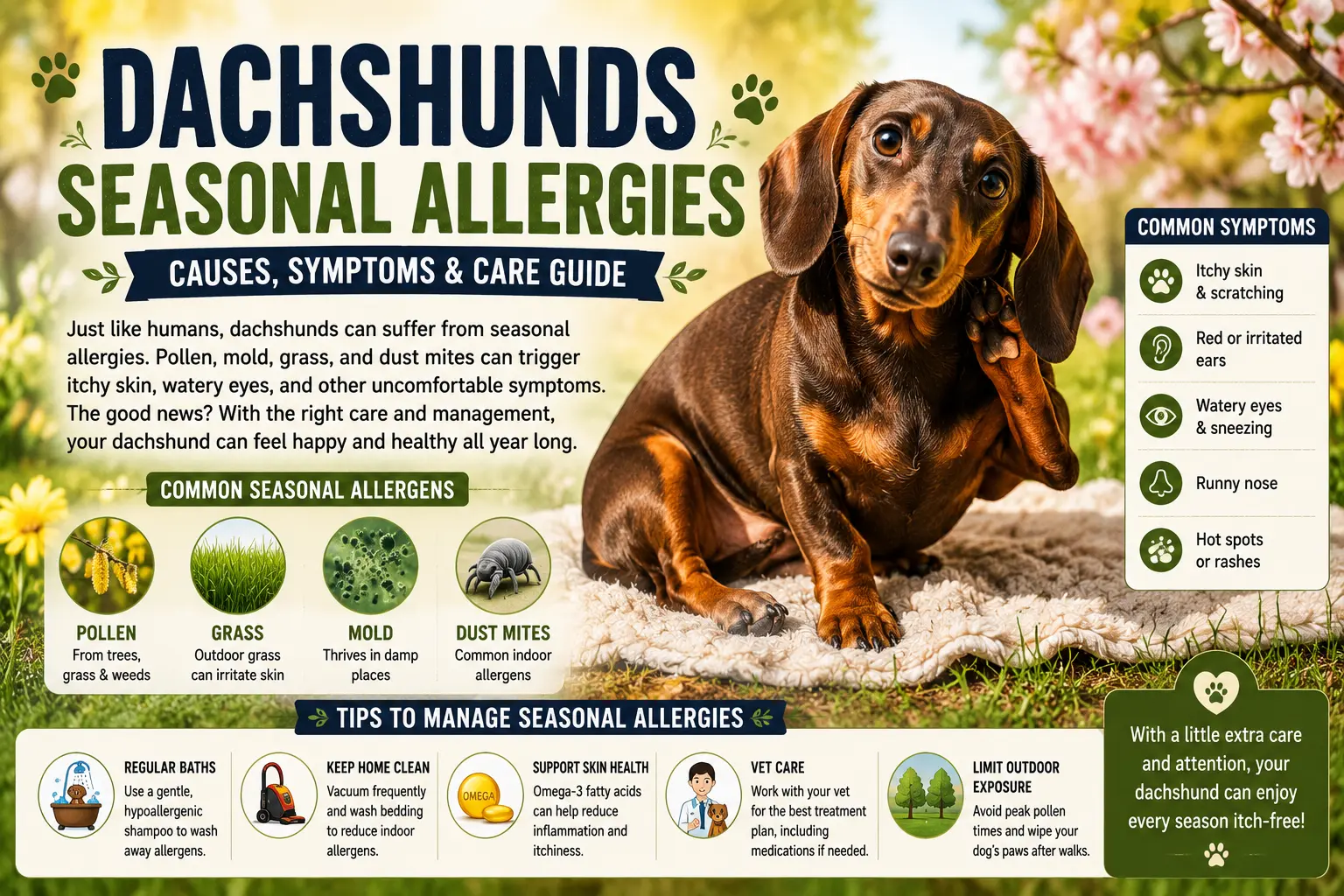
When your beloved dachshund starts scratching uncontrollably during spring or summer, it’s likely more than just curiosity it could be dachshunds seasonal allergies. These charming, long-bodied companions are surprisingly prone to seasonal allergic reactions that can transform their comfort into misery if left unmanaged. Understanding dachshunds seasonal allergies is the first step toward helping your wiener dog enjoy every season without constant itching and discomfort.
I remember the first time I noticed my dachshund’s allergy troubles. What started as occasional scratching during a warm spring walk quickly escalated into red, irritated paws and relentless chewing. After a vet visit confirmed dachshunds seasonal allergies, everything changed not just for my pup’s wellbeing, but for my own peace of mind knowing I could actually help. This guide draws from both personal experience and veterinary science to give you everything you need to recognize, manage, and prevent seasonal allergies in your dachshund.
Understanding Dachshunds Seasonal Allergies: The Basics
Dachshunds seasonal allergies differ significantly from what we experience as humans. While people typically suffer from respiratory symptoms during allergy season, dogs including dachshunds primarily experience skin-based allergic reactions. According to veterinary research, between 25% and 30% of all dogs develop some form of allergies during their lifetime, and a substantial portion of these are seasonal in nature.
The underlying mechanism behind dachshunds seasonal allergies involves your dog’s immune system overreacting to environmental triggers like pollen, grass, mold spores, and dust mites. When a dachshund’s sensitive skin comes into contact with these allergens, it triggers inflammation, itching, and often leads to secondary skin infections if the scratching becomes severe.
Environmental allergies in dogs have become increasingly prevalent. Data from the American Veterinary Medical Association reveals that environmental allergies increased 30.7% in dogs between 2008 and 2017. More recently, 2024 data from Nationwide Pet Insurance shows that skin allergies account for 16% of all dog-related insurance claims, making dachshunds seasonal allergies and other skin conditions among the most common health issues veterinarians address.
Why Are Dachshunds Particularly Susceptible?
Dachshunds have specific physical and genetic characteristics that make them more vulnerable to dachshunds seasonal allergies than some other breeds. Their low-riding body structure means their belly, chest, and paws are in constant contact with grass, pollen, and ground-level allergens during walks and outdoor play.
Additionally, dachshunds experience pronounced seasonal shedding during spring and fall, when their coats naturally adjust to temperature changes. This biannual heavy shedding concentrates allergens both on their bodies and in their home environment. If your dachshund spends most time indoors during high-pollen seasons, allergen concentrations can accumulate dramatically, particularly in winter when homes are sealed tight for heating.
The double-coated and long-haired varieties of dachshunds are especially prone to trapping allergens in their fur, making dachshunds seasonal allergies more severe in these coat types compared to their short-haired cousins.
Recognizing the Signs: Common Symptoms of Dachshunds Seasonal Allergies
Early detection of dachshunds seasonal allergies can prevent serious complications. Here are the most common warning signs:
Skin-Based Symptoms:
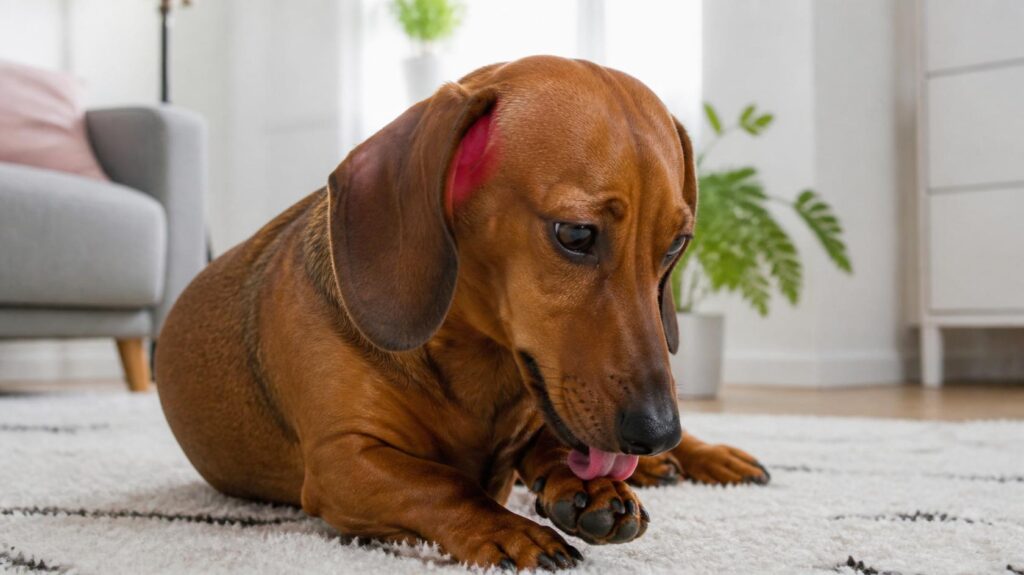
- Excessive scratching, licking, or chewing at paws
- Red, inflamed, or irritated skin patches
- Hair loss or bald spots
- Dry, flaky skin or dandruff
- Hot spots or oozing lesions from secondary infections
Ear and Facial Signs:
- Chronic ear infections or discharge
- Head shaking or ear scratching
- Facial rubbing on furniture or grass
- Puffy, watery, or itchy eyes
Systemic Symptoms:
- Sneezing or wheezing
- Vomiting or diarrhea (food sensitivities often accompany environmental allergies)
If your dachshund displays any of these symptoms, especially during spring and summer months, dachshunds seasonal allergies are likely the culprit. A veterinary examination can confirm diagnosis through observation and, if needed, allergy testing.
Key Environmental Triggers for Dachshunds Seasonal Allergies
Understanding what triggers dachshunds seasonal allergies in your specific region empowers you to minimize exposure. Common allergens include:
| Allergen | Peak Season | Common Symptoms in Dachshunds | Prevention Strategy |
|---|---|---|---|
| Tree & grass pollen | Spring (March-May) | Itchy paws, facial rubbing | Limit outdoor time during high-pollen hours |
| Ragweed pollen | Fall (August-October) | Ear infections, skin irritation | Monitor local pollen forecasts |
| Mold spores | Spring & fall (damp seasons) | Chronic ear infections, itchy skin | Use dehumidifiers, improve ventilation |
| Dust mites | Year-round, worse in winter | Indoor itching, respiratory issues | Wash bedding weekly in hot water |
| Grass contact | Spring & summer | Paw chewing, belly rash | Wipe paws after outdoor activity |
The Importance of Early Detection and Veterinary Care
My dachshund’s situation improved dramatically once I stopped assuming the itching would resolve on its own. Early intervention in dachshunds seasonal allergies prevents the itch-scratch cycle that leads to painful secondary infections, which can cost significantly more to treat.
When you suspect dachshunds seasonal allergies, your veterinarian can:
- Perform skin scraping tests to identify bacterial or yeast infections
- Conduct intradermal skin testing to pinpoint specific allergens
- Recommend blood tests if food allergies are suspected alongside environmental triggers
- Develop a tailored treatment plan for your dachshund’s unique needs
Never delay veterinary consultation if your dachshund shows signs of infection (discharge, odor, open sores) or if scratching interferes with sleep and quality of life.
Management Strategies: Treating Dachshunds Seasonal Allergies
Medications and Prescription Treatments
Anti-Itch Medications: Prescription medications like Apoquel and Cytopoint block itch signals at the neurological level, providing relief within hours. These are particularly effective for moderate to severe dachshunds seasonal allergies.
Antihistamines: Over-the-counter antihistamines may help with mild cases, though they’re generally less effective in dogs than humans. Always consult your veterinarian before administering any medication, as dosages for dachshunds differ significantly from human recommendations.
Corticosteroids: Oral or topical steroids reduce inflammation quickly but are typically reserved for short-term use or severe flare-ups due to potential side effects with long-term administration.
Immunotherapy: For dogs with persistent dachshunds seasonal allergies, custom allergy shots or oral drops can gradually desensitize your dachshund to specific environmental allergens over several months.
Topical Treatments and Bathing
Medicated shampoos are among the most accessible tools for managing dachshunds seasonal allergies. Products containing colloidal oatmeal, aloe vera, or therapeutic ingredients like ketoconazole (antifungal) and chlorhexidine (antibacterial) soothe irritated skin while removing allergens from the coat.
For dachshunds seasonal allergies during peak allergy season, weekly baths with lukewarm water and medicated shampoo can provide significant relief. However, excessive bathing can strip natural oils and worsen dryness, so follow your veterinarian’s specific recommendations for bathing frequency.
Leave-in conditioners and topical sprays containing ceramides and essential fatty acids help restore the skin barrier between baths, which is crucial for dogs with dachshunds seasonal allergies.
Environmental Control and Prevention
The most cost-effective approach to managing dachshunds seasonal allergies involves reducing allergen exposure:
- Air Quality: Use HEPA air filters in your home, particularly in sleeping areas
- Bedding: Wash your dachshund’s bedding weekly in hot water to eliminate dust mites
- Paw Care: Wipe paws with a damp cloth or hypoallergenic wipes immediately after outdoor time to remove pollen
- Timing: Schedule walks during low-pollen hours (typically late afternoon or after rain)
- Vacuuming: Use a HEPA-filtered vacuum cleaner twice weekly during high-pollen seasons
- Grooming: Brush your dachshund several times weekly to remove allergens from the coat and distribute natural oils
Nutritional Support for Dogs with Dachshunds Seasonal Allergies
A balanced diet rich in omega-3 and omega-6 fatty acids strengthens the skin barrier and reduces inflammatory responses associated with dachshunds seasonal allergies. Many veterinarians recommend adding fish oil supplements or feeding foods formulated with these essential fatty acids.
Probiotics may also support overall immune health, potentially reducing the severity of allergic reactions. Additionally, some owners find success rotating protein sources or switching to limited-ingredient or hypoallergenic dog foods if their dachshund shows signs of concurrent food sensitivities alongside dachshunds seasonal allergies.
My Personal Experience: Living with Dachshunds Seasonal Allergies
When my dachshund first developed dachshunds seasonal allergies, I felt helpless watching him suffer. The vet recommended a multi-pronged approach: starting antihistamines two weeks before predicted allergy season, using medicated shampoo weekly, and implementing strict environmental controls.
What surprised me most was how much paw-wiping made a difference. Something as simple as keeping grooming wipes by the door and wiping his paws for 30 seconds after walks reduced his itching by half. Combined with a high-quality omega supplement and regular medicated baths during peak season, my dachshund went from scratching constantly to living comfortably through spring and summer.
The key was consistency and patience dachshunds seasonal allergies rarely resolve overnight, but with proper management, your dog’s quality of life improves dramatically.
Prevention: Getting Ahead of Dachshunds Seasonal Allergies
Rather than reacting to severe symptoms, experienced dachshund owners prepare in advance. Start preventive treatments two to four weeks before your region’s typical allergy season begins. Work with your veterinarian to monitor local pollen counts and adjust your management strategy accordingly.
For dachshunds seasonal allergies, a proactive approach means:
- Beginning omega supplements before allergy season
- Starting antihistamines or other preventive medications early
- Increasing bathing frequency before peak allergen periods
- Installing or replacing air filters ahead of spring
- Scheduling allergy testing in off-season months to identify specific triggers
This preparation transforms dachshunds seasonal allergies from a crisis management situation into a manageable condition that barely impacts your dog’s comfort.
When to Seek Specialist Care
If standard treatments don’t adequately control your dachshund’s dachshunds seasonal allergies, or if symptoms persist year-round, ask your veterinarian for a referral to a veterinary dermatologist. Specialists can perform more comprehensive allergy testing and may recommend advanced treatments like immunotherapy or newer anti-itch medications not yet available through general practitioners.
For more comprehensive information about your dachshund’s overall health needs beyond allergies, visit our Dachshund Guides section.
FAQ: Dachshunds Seasonal Allergies
Q1: Can Dachshunds seasonal allergies be cured?
Unfortunately, Dachshunds seasonal allergies cannot be permanently cured. However, they can be effectively managed with proper veterinary treatment, allergy medications, regular grooming, and environmental control to keep your dog comfortable throughout allergy season.
Q2: At what age do Dachshunds develop seasonal allergies?
Dachshunds can develop seasonal allergies at almost any age, but symptoms most commonly appear between 1 and 3 years old. Some dogs may not develop allergies until later in life.
Q3: Is it safe to give my Dachshund human allergy medication?
No. You should never give your Dachshund human allergy medication without your veterinarian’s approval. Some medications that are safe for people can be toxic to dogs, and proper dosing depends on your dog’s size, age, and medical history.
Q4: How much does it cost to treat Dachshunds seasonal allergies?
Treatment costs vary depending on the severity of the allergy and the treatment plan. Initial diagnosis and treatment often average around $266, while ongoing management for skin allergies can cost approximately $841 per year, including medications, veterinary visits, and specialized care.
Q5: Can diet changes help Dachshunds seasonal allergies?
Yes. Although diet changes cannot cure Dachshunds seasonal allergies, feeding a high-quality diet rich in omega-3 fatty acids, skin-supporting nutrients, and limited-ingredient formulas may improve skin health and reduce the severity of allergic reactions. Your veterinarian can recommend the best diet based on your dog’s specific needs.
