
Are Dachshunds Hypoallergenic? What Allergy Research Shows

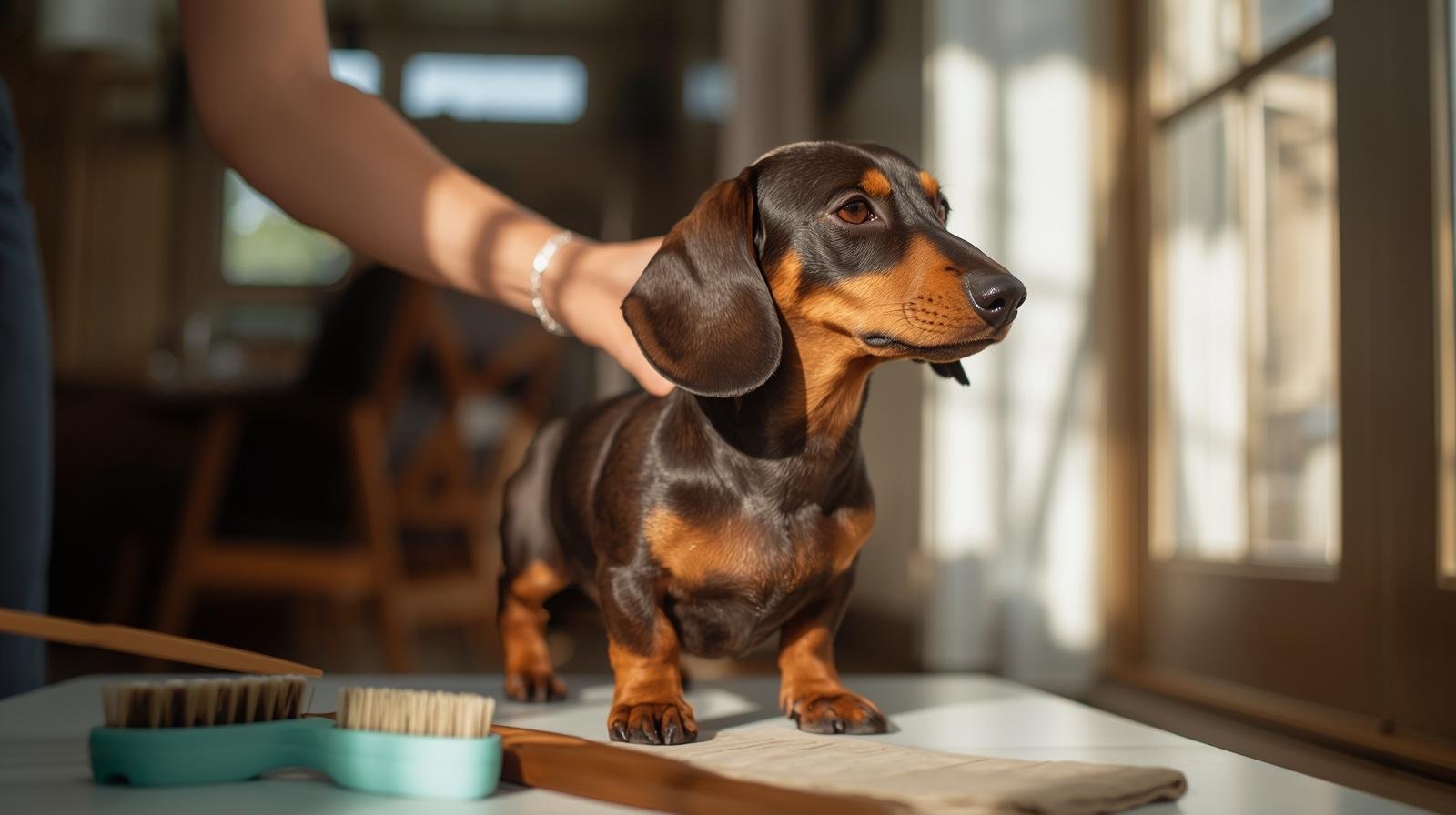
No, dachshunds aren’t hypoallergenic. They shed, they make dander, and their saliva carries the same allergens as any other dog’s. If you’re allergic to dogs, a dachshund can set you off, though how badly depends far more on you and the individual dog than on the breed.
That’s the short answer. The longer one is more useful, because research on so-called hypoallergenic breeds turned up something most breed lists leave out, and there are real steps that make living with a dachshund easier if your allergy is mild.
Are dachshunds hypoallergenic?
They aren’t, and no major allergy or veterinary group lists them as a low-allergen breed. The American Kennel Club describes the dachshund as a moderate shedder, and every coat type, smooth, long or wire, comes with dander and saliva that can trigger symptoms.
Then why do so many breeds get the label? “Hypoallergenic” isn’t a medical category. Breeders and sellers use it for dogs that shed less, and the Asthma and Allergy Foundation of America is clear that there’s no truly hypoallergenic dog or cat.
What actually causes a dog allergy?
It isn’t the hair. People react to proteins made by the dog, and the main one is called Can f 1. It’s found in dander (tiny flakes of skin), saliva and urine.
Hair matters only because it carries those proteins around your home and holds onto them.
That’s why a dog that sheds less isn’t automatically a dog that makes less allergen. A dachshund that licks its coat spreads saliva over it, and when that dries, the proteins end up on the couch, the carpet and in the air.
Do “hypoallergenic” breeds really make fewer allergens?
Not according to the studies that have measured it. A Dutch team led by Vredegoor, publishing in the Journal of Allergy and Clinical Immunology in 2012, sampled hair and coats from 196 dogs of breeds sold as hypoallergenic (Labradoodles, Poodles, Spanish Water Dogs and Airedale Terriers) and 160 dogs that weren’t.
The hypoallergenic group actually had higher Can f 1 levels in their hair and coats.
When the researchers checked the dogs’ homes, the picture didn’t change much. Airborne allergen levels didn’t differ between breeds, and only the Labradoodle homes had lower levels in floor dust. They also found that the differences between breeds were small compared with the differences between individual dogs of the same breed.
Their conclusion was blunt: there’s no evidence for calling any breed hypoallergenic. I’ll admit I expected the opposite before I read it.
An earlier US study from Henry Ford Health System (Nicholas and colleagues, American Journal of Rhinology and Allergy, 2011) came at it from a different angle. It measured dog allergen in dust from homes with hypoallergenic and non-hypoallergenic dogs, using four ways of classifying the breeds, and none of them showed a difference.
What does that mean for you? When you compare a dachshund with a poodle, you’re mostly comparing how much hair ends up on the floor, not how much allergen ends up in your nose.
Is one dachshund coat type better for allergies?
Nobody has measured it. There’s no study comparing allergen levels in smooth, long-haired and wirehaired dachshunds, so any table that ranks them for allergy sufferers is a guess. Here’s what is known about the three coats from the breed standard and the AKC:
- Smooth: short, sleek hair. A short coat still sheds; it just shows less.
- Long-haired: longer, silky hair that needs regular brushing to stay free of tangles.
- Wirehaired: a rough outer coat over a softer undercoat. The coat is kept in shape by brushing and stripping out dead hair.
Given the Vredegoor finding that individual dogs vary more than breeds do, the coat type matters less than the dog in front of you. Our types of dachshunds guide covers each coat in more detail, and the long hair vs short hair dachshund comparison sets their care side by side.
Can you live with a dachshund if you’re allergic?
Some people with mild dog allergies do, and they usually say it takes daily effort rather than luck. In a Reddit thread from an owner who found out they were allergic to their new puppy, one reply laid out a routine that lines up with what allergy groups recommend:
“Frequent baths and brushing, keeping them off your pillow (I won’t say bed because weenie snuggles are amazing), frequent vacuuming.”
Reddit, r/Dachshund
Another owner in a separate thread said they take allergy medicine every day, and that their reaction to their dachshund isn’t as strong as it is to some other dogs or to cats. That’s the individual-dog effect in real life.
So where’s the line? If your allergy is severe, or it triggers asthma, a dachshund is a risky choice, and you’ll want an allergist’s view before you bring any dog home.
What helps cut dachshund allergens at home?
None of these will make a dachshund allergen-free, but together they lower how much you’re breathing in:
- Spend time with the actual dog first. Visit more than once, indoors, and see how you feel over a few hours, not a few minutes.
- Keep the dog out of your bedroom. It’s where you spend the most hours, so it’s the room where a lower allergen level helps most.
- Brush often, ideally outside. Loose hair and dander that come off in the yard don’t settle on your furniture.
- Wash dog bedding and couch throws regularly. My Bruno spends his evenings on the couch, and I’ve learned that’s exactly where hair collects.
- Use a vacuum and air purifier with HEPA filters. They trap fine particles instead of blowing them back into the room.
- Wash your hands after handling the dog and before touching your face.
- See an allergist. They can confirm what you’re allergic to and talk you through medication or allergy shots.
Before you reach for any cleaning spray, check our list of cleaning products that are safe for pets, because a low-allergen home shouldn’t come at the cost of a sick dog.

What about dachshund mixes?
Crosses with a low-shedding breed get marketed as allergy friendly, but the puppy can inherit either parent’s coat. A dachshund mixed with a Bichon may shed very little, or it may shed like a dachshund. Our Bichon dachshund mix guide explains why you can’t count on it, and the research above suggests that even the low-shedding coat doesn’t promise less allergen.
The bottom line
Dachshunds aren’t hypoallergenic, and neither is any other breed. If I had a mild dog allergy, I’d do what the evidence points to: meet the specific dog, set up an allergen routine, and talk to an allergist; plenty of people make it work. If it’s severe, it’s kinder to you and to the dog to find that out before you commit.
Frequently asked questions
Are dachshunds hypoallergenic?
No. Dachshunds shed and produce dander and saliva that carry dog allergens, so they can trigger symptoms in people who are allergic to dogs.
Which dachshund coat type is best for allergies?
No study has compared allergen levels by dachshund coat type. Research on other breeds found bigger differences between individual dogs than between breeds, so meeting the specific dog tells you more.
Is any dog breed 100% hypoallergenic?
No. A 2012 study found breeds sold as hypoallergenic had higher allergen levels in their coats than other dogs, and no difference in airborne allergen at home.
Do dachshunds shed a lot?
The American Kennel Club describes them as moderate shedders. All three coats shed, so expect hair on furniture and clothes with any dachshund.
