
When Do Dachshunds Stop Growing?

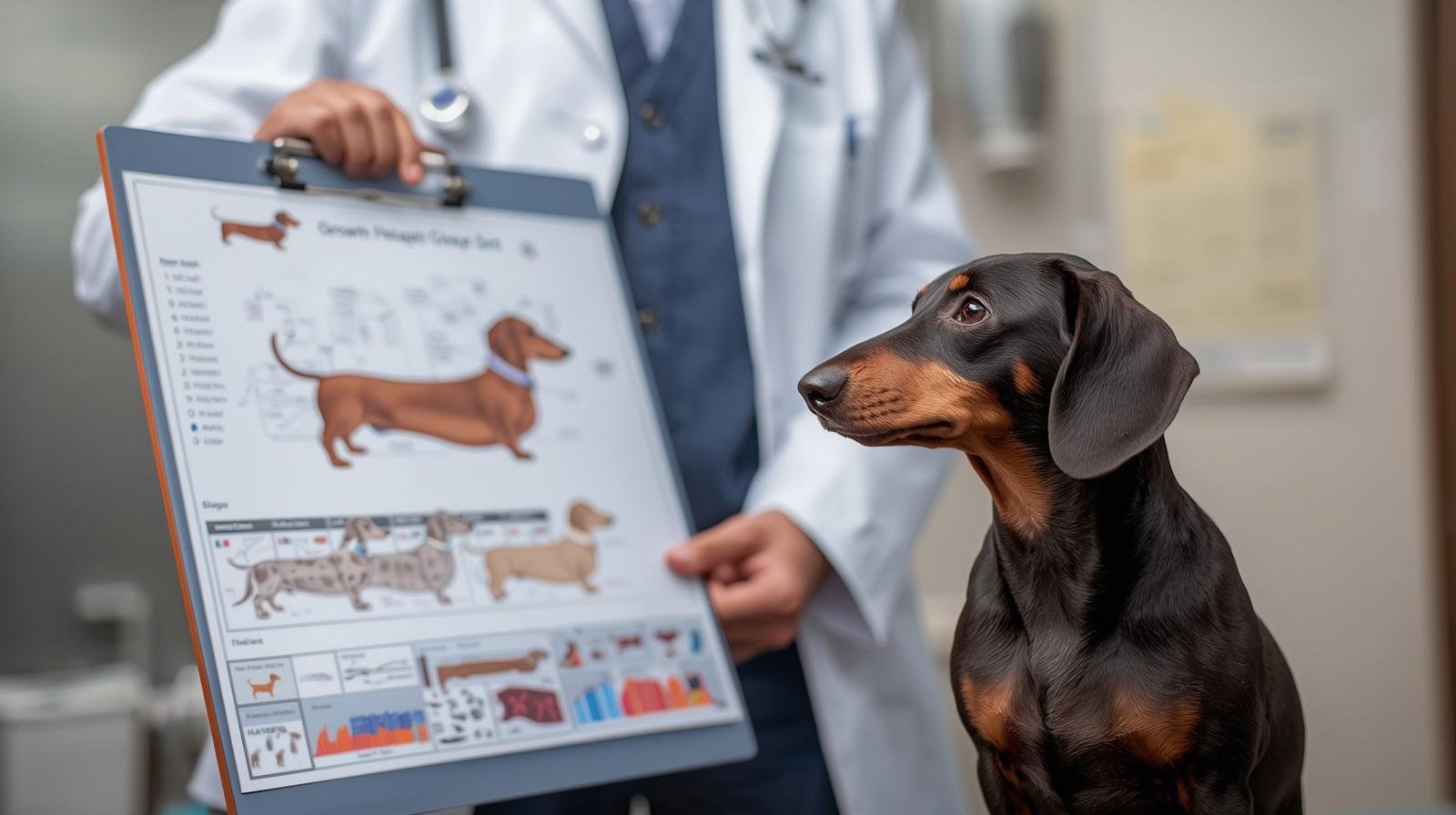
I still remember the morning I picked up my first dachshund puppy this tiny, wriggly sausage that fit in both my palms. Within weeks, he was doubling in size, and I kept asking myself: when do dachshunds stop growing, and how big will he actually get?
If you’re asking the same question, you’re not alone. Dachshunds are one of the most searched dog breeds online and for good reason. According to the American Kennel Club (AKC), the Dachshund broke into the top 5 most popular dog breeds in the United States in 2025, rising from No. 6 to No. 5 and pushing the Poodle out of the top five for the first time. With that surge in popularity comes a flood of new owners trying to understand the breed’s unique growth journey.
So, let’s answer the question properly: when do dachshunds stop growing?
The Short Answer: When Dachshunds Reach Full Size
Dachshunds typically stop growing between 10 to 12 months of age. During this time, their bones are maturing and muscle mass is increasing, contributing to their overall body shape and size. However, the full picture is more nuanced depending on whether you own a miniature or standard dachshund.
Here’s a quick snapshot before we dive deeper:
| Type | Height at Withers | Adult Weight | Full Size Reached |
|---|---|---|---|
| Miniature Dachshund | 5–6 inches (13–18 cm) | Up to 11 lbs (5 kg) | 8–12 months |
| Standard Dachshund | 8–9 inches (20–22 cm) | 16–32 lbs (7–14 kg) | 12–18 months |
This is the foundation, but there’s a lot more to know about how they grow, why it matters, and what you should be watching for every step of the way.
Why Understanding Growth Matters for Dachshund Owners
Dachshunds aren’t just small dogs they’re structurally unique, with their long spines and short legs creating specific health risks that are directly tied to their growth timeline. Overfeeding during the growth phase can lead to obesity, which puts excessive strain on their spines and increases the risk of Intervertebral Disc Disease (IVDD) one of the most common health issues in the breed.
Understanding when do dachshunds stop growing isn’t just a curiosity question. It’s a health-management tool.
For more breed-specific advice, browse our Dachshund Guides to keep your pup healthy at every stage.
Mini vs. Standard: Two Very Different Timelines
Miniature Dachshunds Grow Faster
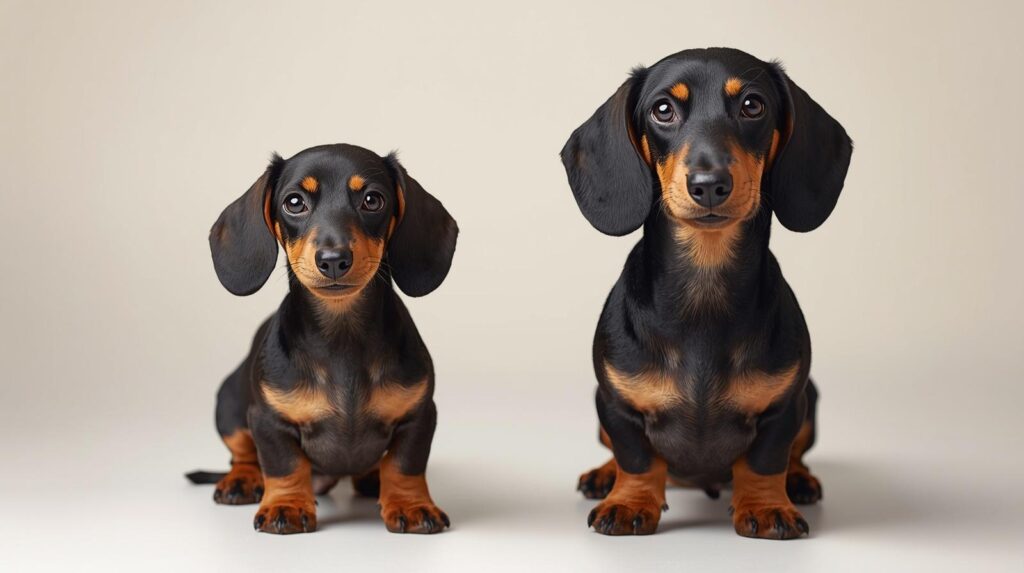
As a small dog, the miniature dachshund reaches physical maturity at a much quicker rate than larger breeds. Growth slows down significantly by around 5 months, and by 8 months, many mini doxies are already at their mature height and weight. Most miniature dachshunds stop growing around 10–12 months, though some may continue to add small amounts of muscle mass into early adulthood. Our miniature dachshund full grown guide explains how big a mini gets and how to tell if yours is one.
Their adult size benchmarks, per the AKC, are:
- Weight: 11 pounds or less
- Height: 5–6 inches at the withers
Standard Dachshunds Take Longer
Standard dachshunds follow a slightly different path. Their bones typically stop developing by 12 months, but they continue to “fill out” gaining muscle, girth, and body mass until 18 months or even 2 years old.
The AKC’s breed standard measures ideal sizes at the 12-month mark, which is a good reference point, but don’t be surprised if your standard doxie still looks slightly lean or puppy-ish at that age. They’re still growing just more slowly.
Month-by-Month: Dachshund Growth Timeline
Here’s what the growth journey typically looks like for a standard-sized dachshund:
Birth to 8 Weeks: Rapid Early Development
Newborn standard dachshunds weigh between 8–12 ounces. They double their birth weight by the end of the second week. By 8 weeks, a standard dachshund weighs around 4–5 pounds, and a miniature dachshund around 2–3 pounds. Eyes open, coordination improves, and socialization begins with littermates.
3 to 6 Months: The Big Growth Spurt
This is where you’ll really notice the classic dachshund shape taking form long body, stubby legs, expressive eyes. A 12-week-old standard dachshund weighs around 6–9 pounds; miniatures are between 3–4 pounds. By 6 months, standards hit 11–16 pounds, and you can already start to get a sense of their adult frame.
Growth slows significantly after this phase. Physical development continues, but not at the same intense pace.
7 to 10 Months: Refining the Adult Form
By 7 months, your dachshund looks more like an adult than a puppy. Energy levels remain high, but the physical framework is nearly complete. By 10 months, physical growth slows dramatically. This is a great time to reinforce training and transition toward adult nutrition.
11 to 12 Months: Near-Full Size
At 11 months, your dachshund is nearly an adult in size. By 12 months, bone development is effectively complete. For miniatures, this is usually the finish line. For standards, the body continues to mature.
12 to 18+ Months: Filling Out
Even after the growth plates close, dachshunds particularly standards keep putting on weight as their metabolism slows. This is a critical window to monitor food intake. Extra pounds on a dachshund don’t just look unhealthy they place dangerous pressure on the spine and short legs.
What Affects When Do Dachshunds Stop Growing
Not every dachshund follows the same script. Several factors influence individual growth timelines:
1. Genetics The size of the parents is one of the strongest predictors of adult size. Ask breeders about the growth patterns of the puppy’s parents if you want a better estimate of your dog’s adult dimensions.
2. Diet and Nutrition A well-balanced, breed-appropriate diet supports healthy bone and muscle development. Overfeeding can cause a puppy to gain weight too quickly, leading to back strain. Underfeeding creates deficiencies that stunt development. The sweet spot matters.
3. Health and Parasites Illness, worm infestations, or digestive issues can slow growth. If your puppy isn’t gaining weight as expected, a vet visit is the right first step.
4. Spay/Neuter Timing This is a nuanced topic for dachshunds specifically. According to veterinary research, vets often recommend waiting until 18–24 months to spay or neuter dachshunds to reduce the risk of Intervertebral Disc Disease. Reproductive hormones play a meaningful role in healthy skeletal development.
5. Purebred vs. Mixed Background Purebred dachshunds from established lines tend to have more predictable growth curves. Mixed-background dachshunds may vary more widely in their adult size.
How to Tell If Your Dachshund Is a Healthy Weight
Once you know when do dachshunds stop growing, the next job is making sure they’re growing well. Here are some practical checks:
- Rib test: You should be able to feel your dachshund’s ribs without pressing hard but not see them prominently.
- Waist tuck: Viewed from above, there should be a visible narrowing behind the ribs.
- Side profile: The abdomen should tuck up slightly, not sag or hang.
Obesity is a significant problem in dachshunds. Extra weight contributes to diabetes, heart disease, joint strain, and most critically spinal disc problems. If your dachshund is filling out faster than expected post-12 months, speak to your vet about portion adjustments.
When to Switch from Puppy Food to Adult Food
Knowing when do dachshunds stop growing also tells you when to switch diets:
- Miniature dachshunds: Switch to adult food around 8–10 months
- Standard dachshunds: Switch around 12 months, when bone growth slows
Puppy food is calorie-dense and nutrient-heavy to support growth. Keeping your dachshund on it too long can cause rapid weight gain once growth plates close and metabolism slows. Transition gradually over 7–10 days mix more adult food with less puppy food each day to avoid stomach upset.
Emotional and Social Maturity: A Separate Timeline
One thing many owners miss: physical maturity and emotional maturity are not the same thing.
Even after your dachshund stops growing physically, they continue developing social and emotional maturity until about 2 years old. You might have an adult-sized dog who still chews furniture like a teenager. This is completely normal.
During this phase, continued training, routine, and positive reinforcement are essential. Dachshunds are intelligent but notoriously stubborn a trait that traces back to their original role as independent hunters bred to track badgers in tight underground burrows. Patience pays off.
Dachshund Growth at a Glance: Standard vs Miniature Chart
| Age | Standard Dachshund (Weight) | Miniature Dachshund (Weight) |
|---|---|---|
| 8 Weeks | 4–5 lbs | 2–3 lbs |
| 3 Months | 6–9 lbs | 3–4 lbs |
| 6 Months | 11–16 lbs | 6–9 lbs |
| 12 Months | 16–32 lbs (adult) | Up to 11 lbs (adult) |
| 18 Months | Still filling out | Fully mature |
My Take: What I Wish I’d Known Earlier
Looking back, I wish someone had told me that when do dachshunds stop growing isn’t a single moment it’s a gradual transition spanning 12 to 18 months. There were weeks where my dachshund looked oddly proportioned, and I panicked. But that’s just the breed. The long body fills in before the chest does. The legs stay short but strengthen. It all comes together eventually.
The most important thing I learned: weigh your pup regularly, keep their diet on track, and resist the urge to overfeed them when they give you those big eyes at dinner time. Their spines will thank you.
FAQ: When Do Dachshunds Stop Growing
Q1: When do dachshunds stop growing in height?
Dachshunds stop growing in height earlier than in weight. Most dachshunds reach their full height by 8–10 months of age, with the body length and muscle mass continuing to develop after that.
Q2: Do miniature dachshunds stop growing earlier than standard dachshunds?
Yes. Miniature dachshunds typically reach full physical maturity between 8–12 months, while standard dachshunds may continue filling out until 18 months or longer.
Q3: How can I tell if my dachshund has stopped growing?
The clearest sign is that your dachshund’s weight has plateaued over several weeks, their ribs and waist appear well-defined, and they’ve passed the 12-month mark. A vet can also confirm if their growth plates have closed.
Q4: Is it normal for a dachshund to still look “puppy-ish” at 12 months?
Absolutely. Standard dachshunds in particular often look lean or not fully filled-out at 12 months. Their frames are complete, but muscle and body mass continue developing — this is normal and expected.
Q5: Does spaying or neutering affect when dachshunds stop growing?
It can. Early spaying or neutering (before 12 months) may affect hormonal development, which plays a role in bone density and growth plate closure. Many vets recommend waiting until 18–24 months for dachshunds specifically.
