Dapple Dachshund: The Complete Owner’s Guide

Current image: Dapple Dachshund

The first time I saw a dapple dachshund at a local dog show, I couldn’t look away. That swirling, galaxy-like coat patches of silver, chocolate, and cream cascading over that unmistakably long body was unlike anything I’d ever seen on a dog. I turned to the owner and asked, “What is that?” She laughed and said, “That’s a dapple dachshund. Once you meet one, you never forget one.”

She was absolutely right.

If you’ve stumbled onto this article, you’re probably in a similar boat utterly enchanted by the dapple dachshund and wondering if one could be the right dog for your life. In this guide, we’ll walk you through everything: the breed’s fascinating history, its striking genetics, temperament quirks, health considerations, care needs, and what it actually costs to bring one home. Whether you’re a first-time dog parent or a seasoned dachshund enthusiast, there’s something here for you.

Let’s dig in. (Pun absolutely intended dachshunds would approve.)

What Exactly Is a Dapple Dachshund?

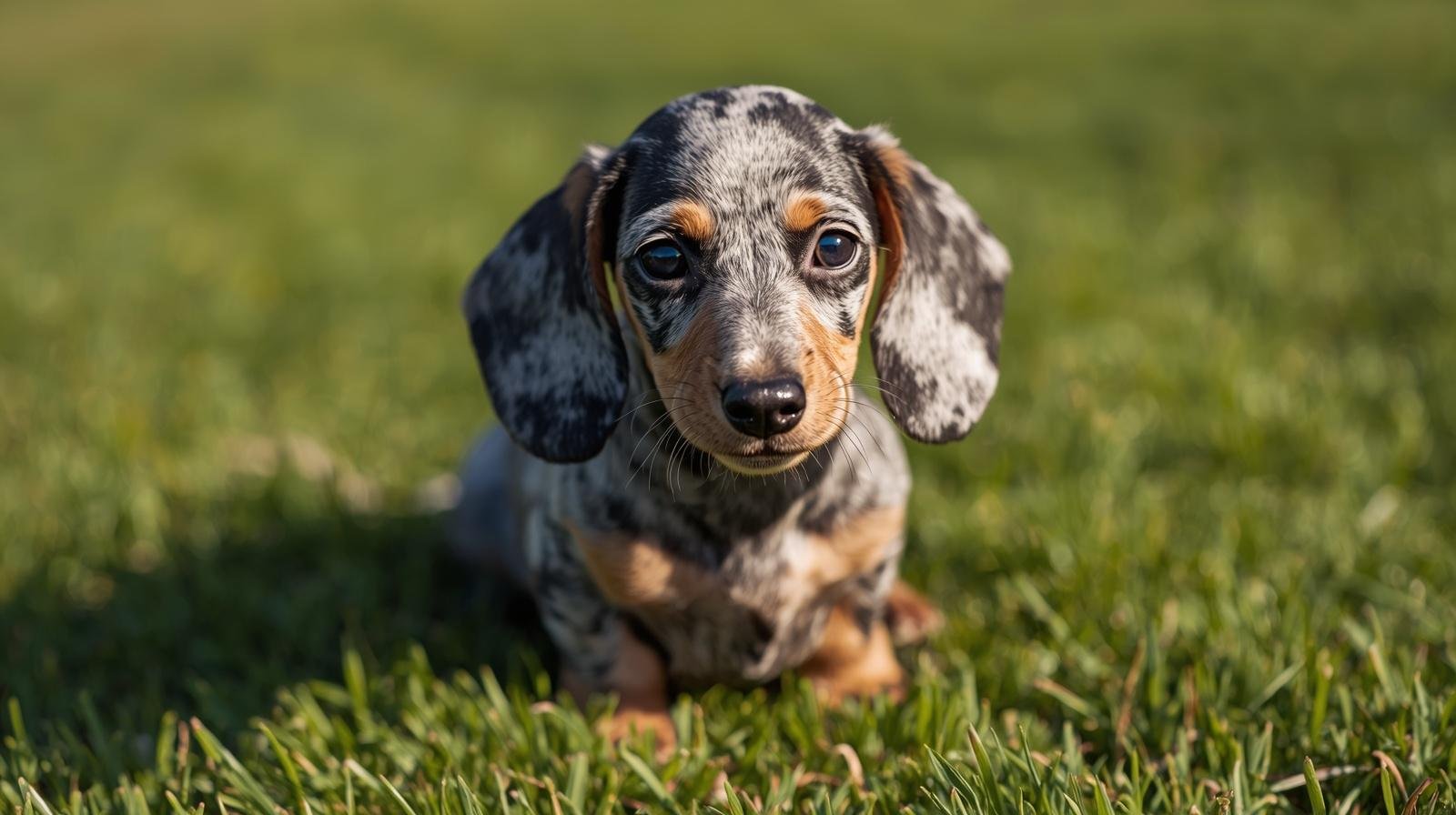
Before we go any further, let’s clear up a common misconception: the dapple dachshund is not a separate breed. It’s simply a standard dachshund sporting a one-of-a-kind coat pattern caused by the merle gene the same gene that creates the merle pattern in breeds like Australian Shepherds and Great Danes. In the dachshund world, however, this pattern has always been called “dapple” rather than “merle.”

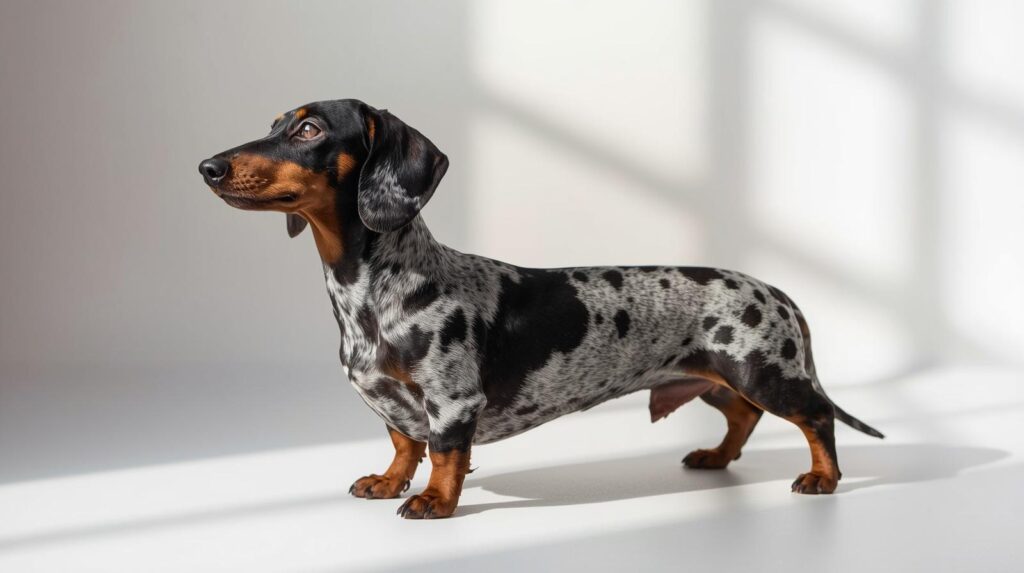
The dapple coat is defined by lighter-colored patches or spots appearing against a darker base color. Interestingly, it only takes a single spot even a tiny one for a dachshund to officially earn the “dapple” label. Many dapple dachshunds, however, are noticeably flecked all over in breathtaking swirling patterns. Common color combinations include:

  • Black and tan dapple
  • Chocolate and tan dapple
  • Red dapple
  • Silver dapple
  • Blue and tan dapple

Another telltale sign of a dapple dachshund? Blue eyes or even one blue eye and one brown eye. This heterochromia is especially common in dogs carrying the dapple gene and adds yet another layer of visual drama to an already stunning dog.

A Brief History: From Badger Hunter to Instagram Star

The dachshund’s story begins in 16th-century Germany, where the breed was purpose-built for one very specific job: hunting badgers underground. The name itself gives it away “dachshund” translates from German as “badger dog” (dachs = badger, hund = dog). Their short legs, elongated bodies, and powerful noses were no accident; every physical feature was engineered to allow them to squeeze into underground burrows and flush out prey.

The dapple pattern has been part of the dachshund’s story almost from the very beginning. Historical records show that the first image depicting the dapple pattern in dachshunds appeared as far back as 1836, meaning this striking coat is far from a modern trend it’s been turning heads for nearly two centuries.

Dachshunds made their way to the United States in the 1880s, primarily through the Midwest and East Coast. By the 1930s and 1940s, the breed’s popularity had genuinely soared, and today, dachshunds rank as the #5 most popular dog breed in the United States according to the latest AKC 2025 rankings actually moving up from their previous #6 spot, pushing the Poodle out of the top five. That’s a remarkable achievement for a dog that stands under a foot tall.

The dapple dachshund, in particular, has found a massive following on social media. Their photogenic coats and expressive eyes make them natural content stars if you’ve ever spent 20 minutes falling down a dachshund rabbit hole on Instagram, you know exactly what I mean.

The Dapple Gene: Science Made Simple

Understanding the genetics behind the dapple dachshund helps explain both its beauty and its health considerations.

The dapple pattern is caused by the merle (M) gene, which essentially dilutes random sections of the base coat color, creating that signature mottled, spotty appearance. Every dog inherits two copies of the merle gene one from each parent. A single dapple dachshund carries one copy of the merle gene (Mm) and one normal gene (mm). This produces the classic dapple pattern and is considered safe and healthy by responsible breeders.

The problem arises with double dapple dachshunds (MM) produced when two dapple dogs are bred together. Double dapple dachshunds carry the merle gene from both parents, and the resulting puppies often suffer severe consequences: partial or complete blindness, partial or complete deafness, or in the most severe cases, missing or malformed eyes. It is not uncommon for double dapples to be born both blind and deaf simultaneously.

This is precisely why responsible breeding matters so much. The UK’s Kennel Club banned the registration of double dapple dachshunds back in January 2010, and most European countries have followed suit with similar restrictions. Reputable breeders never intentionally produce double dapples.

When you’re shopping for a dapple dachshund, asking a breeder directly whether they ever breed two dapple dogs together is one of the most important screening questions you can ask.

Dapple Dachshund Temperament: Big Dog Energy in a Small Package

Ask any dapple dachshund owner and they’ll tell you the same thing: this dog has absolutely zero idea how small it is.

The dachshund temperament is legendary brave, curious, stubborn, loyal, and endlessly entertaining. They were bred to make independent decisions underground without a hunter’s guidance, and that independent streak hasn’t gone anywhere in hundreds of years of domestication. Expect a dog that:

  • Forms deep bonds — often with one person above all others, though they love the whole family
  • Thinks for itself — training requires patience and consistency; don’t mistake intelligence for easy trainability
  • Vocalizes freely — dachshunds have surprisingly deep, booming barks for their size and will use them
  • Loves to cuddle — despite their bold personalities, dapple dachshunds are famously fond of burrowing under blankets and snuggling

The dapple dachshund thrives with owners who have plenty of time to devote to them. This is not a breed that tolerates long hours alone well. They need engagement, mental stimulation, and frankly an audience for their antics.

They’re generally good with other dogs, especially when socialized from puppyhood. However, their strong prey drive means small animals like hamsters, rabbits, and birds can trigger their hunting instincts. Households with very young children should also take care; dachshunds can react poorly to rough handling and may nip if they feel threatened.

Health Considerations Every Owner Must Know

Owning a dapple dachshund is deeply rewarding, but going in with eyes wide open about health risks is part of responsible ownership. Here’s what you need to know:

Intervertebral Disc Disease (IVDD)

This is the big one. The dachshund’s long spine is its most iconic feature and its greatest vulnerability. Approximately one in four dachshunds will be affected by intervertebral disc disease (IVDD) in their lifetime. This condition occurs when the spinal discs degenerate or herniate, potentially causing pain, partial paralysis, or in severe cases, full paralysis.

The good news: weight management dramatically reduces the risk. A healthy-weight dachshund puts far less strain on their spine. The bad news: surgical treatment for IVDD can cost between $5,000 and $8,000, making pet insurance not just advisable but genuinely essential for this breed.

Dapple-Specific Health Risks

Because the merle gene responsible for the dapple pattern is a genetic mutation, dapple dachshunds carry some additional health risks beyond the typical dachshund baseline:

  • Vision problems — including cataracts, corneal ulcers, progressive retinal atrophy, and an elevated risk of blindness
  • Hearing issues — elevated rates of deafness compared to non-dapple dachshunds
  • Sun sensitivity — lighter-pigmented skin areas (especially in the dapple patches) are more susceptible to sunburn and skin cancer
  • Autoimmune conditions — hypothyroidism and Cushing’s disease appear at higher rates in the breed

Other Common Health Issues

Health ConditionNotes
ObesityProne to weight gain; strict diet management essential
Patellar luxationDislocated kneecaps; genetic condition
Diabetes mellitus (Type I)Dachshunds are particularly susceptible
Heart problems (PDA)Patent ductus arteriosus; monitor from puppyhood
Mast cell tumorsIncreased cancer risk, especially in later life

Lifespan

The good news on the health front: the dapple dachshund is a genuinely long-lived dog. A 2024 UK study found the average dachshund lifespan at 13.2 years, with miniature dachshunds living even longer averaging 14 years. With excellent care, many dachshunds live well into their mid-teens, and some exceptional individuals reach 20 years. That’s a meaningful, decades-long commitment when you adopt one of these dogs into your life.

Caring for Your Dapple Dachshund: Day-to-Day Essentials

Dapple dachshund dog

Exercise Needs

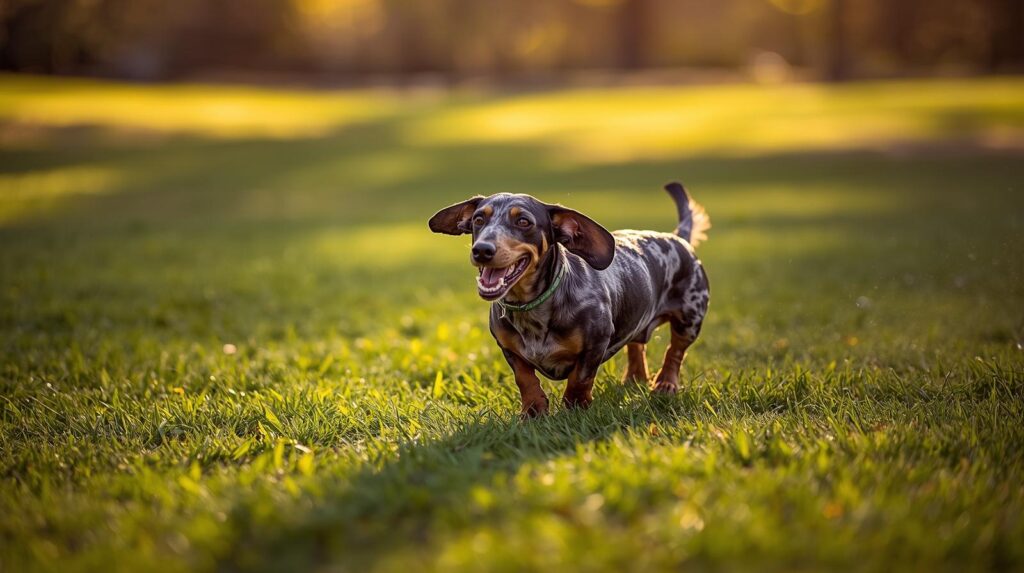
Don’t let the short legs fool you the dapple dachshund needs regular exercise. Aim for 45 to 60 minutes of daily activity, split across two walks. Avoid high-impact activities like jumping on and off furniture, which can stress the spine. Ramps and steps are worth investing in for couches and beds.

Diet and Weight Management

Given their obesity risk and the knock-on effect of excess weight on their spine, feeding your dapple dachshund a carefully portioned, high-quality diet is non-negotiable. Resist those pleading eyes at the dinner table (and yes, they will deploy those striking dapple eyes against you with devastating effect).

Grooming

Grooming needs depend on coat type:

  • Smooth-coated dapple dachshund — minimal grooming; a weekly wipe-down and occasional bath
  • Long-haired dapple dachshund — regular brushing (2–3 times per week) to prevent tangles
  • Wire-haired dapple dachshund — hand-stripping or professional grooming several times per year

All three need regular ear checks (those floppy ears trap moisture and debris), nail trims, and dental care.

Training Tips

The dapple dachshund is smart sometimes infuriatingly so. Positive reinforcement works best; harsh corrections will backfire with a breed this independent. Short, consistent training sessions work better than long drills. Patience is not optional; it’s the price of admission.

For deeper training guidance and breed-specific advice, check out these Dachshund Guides that cover everything from housebreaking to leash manners in detail.

How Much Does a Dapple Dachshund Cost?

Let’s talk money, because the dapple dachshund comes with real financial considerations.

Purchase Price

The dapple pattern is considered rare and highly sought-after among dachshund enthusiasts, which means it typically commands a price premium over standard-colored dachshunds. Here’s a realistic breakdown:

SourcePrice Range
Shelter / Rescue adoption$150 – $650
Backyard breeder (caution advised)$400 – $800
Reputable breeder, standard color$1,200 – $2,500
Reputable breeder, dapple pattern$1,500 – $3,500+
Show-quality or rare dapple$3,500 – $5,000+


According to iHeartDogs’ 2026 regional pricing guide, the dapple (merle) pattern can add anywhere from $500 to $1,000 to a puppy’s price compared to standard colors. A long-haired miniature dapple in a high-cost-of-living area like New York or San Francisco will be at the upper end of that range.

Total Lifetime Cost

The true cost of owning a dapple dachshund extends well beyond the purchase price. According to Spot Pet Insurance, the total lifetime cost of owning a dachshund typically ranges from $18,000 to $20,000 over an average 12–15 year lifespan, factoring in food, routine vet care, grooming, and preventive health measures.

This figure can climb significantly if IVDD surgery becomes necessary ($5,000–$8,000 per incident), which is why pet insurance is one of the smartest investments a dapple dachshund owner can make ideally purchased before any health issues develop.

Single Dapple vs Double Dapple: Know the Difference

This distinction is important enough to warrant its own section, because unscrupulous breeders sometimes market double dapple dachshunds as “rare” or “extra beautiful” when in reality, they are the product of irresponsible breeding.

Single dapple dachshund:

  • One parent carries the dapple gene
  • Classic dapple coat with spots or mottled patches
  • Generally healthy, with the standard dapple-related health considerations
  • AKC-recognized and accepted by reputable kennel clubs worldwide

Double dapple dachshund:

  • Both parents carry the dapple gene
  • Large areas of white on the body; often white markings on head and tail
  • High risk of blindness, deafness, or both from birth
  • Registration banned by the UK Kennel Club since 2010
  • Forbidden in most European countries due to welfare concerns

If a breeder advertises “double dapple dachshund puppies” without any mention of the associated risks, walk away. According to Wikipedia’s entry on the breed, double dapple dachshunds are generally believed to have first arrived in the United States between 1879 and 1885 and the welfare concerns have been known almost as long.

Famous Dapple Dachshund Fans

Dapple dog  dachshund

One of the more charming footnotes of dachshund history is just how many influential figures have fallen for this breed over the centuries. Pablo Picasso was famously devoted to his dachshund Lump, who lived with him for years and even appeared in his artwork. Andy Warhol was a well-known dachshund enthusiast. Carole Lombard and Kaiser Wilhelm II both kept dachshunds as companions.

Even American presidents weren’t immune: Grover Cleveland kept a dachshund in the White House, and a young John F. Kennedy purchased a dachshund puppy while on a European tour in 1937 though the dog never made it to America after JFK developed an allergic reaction.

The dapple dachshund hasn’t lost that celebrity magnetism. On Instagram and TikTok today, dapple dachshunds command enormous followings, with their distinctive coats making them among the most photographed dog breeds on social media.

Is a Dapple Dachshund Right for You?

After all of this, let’s bring it back to the most important question: Is the dapple dachshund the right fit for your lifestyle?

You’ll love a dapple dachshund if you:

  • Want a loyal, affectionate companion who will shadow your every move
  • Enjoy a dog with a genuinely big, entertaining personality
  • Can commit to moderate daily exercise and a strict feeding routine
  • Have time and patience for training a stubborn-but-brilliant dog
  • Don’t mind the financial commitment of potential IVDD care and pet insurance

Think carefully if you:

  • Work long hours away from home without support
  • Have very young children who may handle dogs roughly
  • Have small pets like hamsters, rabbits, or birds
  • Are a first-time dog owner without experience with independent breeds
  • Are looking for a low-maintenance, easy-to-train dog

Personally, I think the dapple dachshund is one of the most rewarding dogs a person can share their life with provided you go in prepared. The health considerations are real, the stubbornness is real, and the vet bills can be real. But so is the joy of watching that gloriously patterned little dog sprint across your living room, burrow under your blankets, and look up at you with those impossibly expressive blue eyes.

Frequently Asked Questions About the Dapple Dachshund

Q1: Are dapple dachshunds rare?

Yes, relatively so. The dapple pattern requires at least one parent carrying the merle gene, which makes it less common than standard colors like red or black and tan. This rarity is part of why dapple dachshunds typically command a price premium from reputable breeders.

Q2: Do dapple dachshunds have more health problems than other dachshunds?

They share all the typical dachshund health risks (particularly IVDD) and carry some additional risks tied to the merle gene, including elevated rates of vision and hearing issues, sun sensitivity, and skin cancer risk in areas of low pigmentation. Single dapple dachshunds can live long, healthy lives with proper care and responsible breeding.

Q3: How long do dapple dachshunds live?

The average dachshund lifespan is around 13–16 years, with miniature dachshunds often living longer. Excellent weight management, regular vet care, and avoiding spinal stress are the biggest factors in maximizing your dapple dachshund’s lifespan.

Q4: Can a dapple dachshund live in an apartment?

Absolutely dachshunds are well-suited to apartment living, provided they get sufficient daily exercise (45–60 minutes). Their size makes them naturally apartment-compatible, though their tendency to bark loudly should be considered in thin-walled buildings.

Q5: What’s the difference between a dapple dachshund and a merle dachshund?

They are the same thing. “Dapple” is the term used specifically within the dachshund breed for the merle coat pattern. In virtually every other breed Australian Shepherds, Border Collies, Great Danes the same genetic pattern is called “merle.” The dachshund is the only breed where the official terminology is “dapple.”

Leave a Reply

Your email address will not be published. Required fields are marked *