Feed Right, Live Long: Overweight Dachshunds

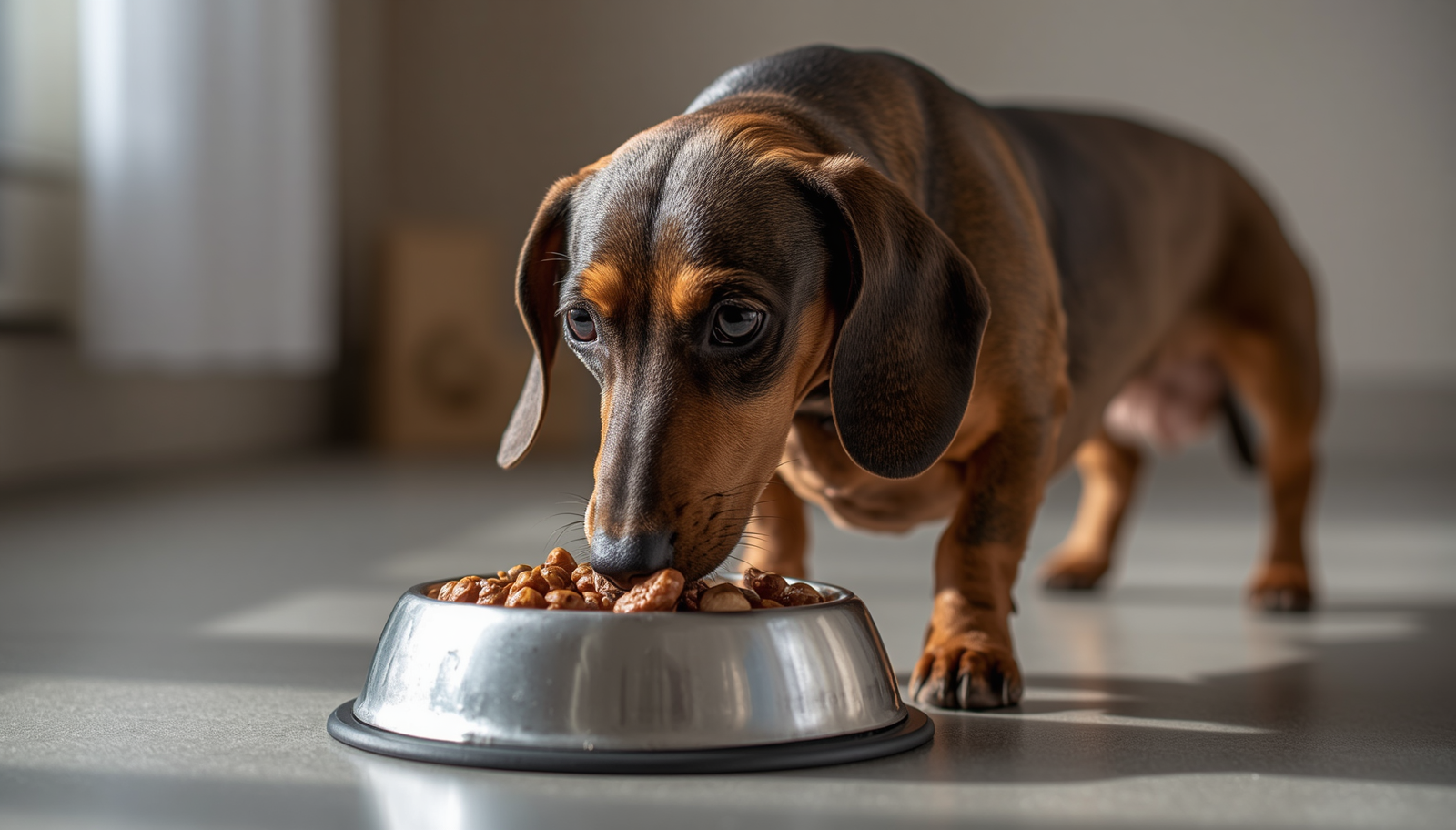
When my dachshund, Bruno, waddled into the vet’s office last spring, the vet’s words were a gut punch: “He’s nearly 40% over his ideal weight.” I had been feeding him with love extra kibble scoops, sneaky table treats, and a few too many bedtime biscuits. I had no idea I was slowly stealing years from his life. If you’re here, chances are you’re in a similar boat, Googling the best dog food for overweight dachshunds because you love your dog and want to do right by them. You’re already ahead of the curve.
Why Dachshunds Are Especially Prone to Weight Gain
That iconic long body and short leg combo is absolutely adorable and medically unforgiving. Choosing the best dog food for overweight dachshunds starts with understanding that anatomy. Choosing the best dog food for overweight dachshunds starts with understanding that anatomy. AKC notes that dachshunds are a chondrodystrophic breed, meaning their elongated spine is structurally vulnerable. Every extra pound your dachshund carries adds compressive pressure directly on that spine, dramatically increasing the risk of Intervertebral Disc Disease (IVDD).
But the weight problem itself? Startling in scale. According to the Association for Pet Obesity Prevention (APOP) 2024 survey, 35% of U.S. dog owners reported their dogs were overweight or obese up from just 17% in 2023. And broader clinical data from nearly five million dogs studied at Banfield Pet Hospitals found that over 50% of adult and mature dogs carry an overweight or obese body condition score. Dachshunds, with their food-driven personalities and naturally slower adult metabolisms, are disproportionately represented in those numbers.
The takeaway? Finding the best dog food for overweight dachshunds isn’t just a wellness trend it’s a life-extension strategy.
What Makes a Dog Food Right for an Overweight Dachshund
Not all “weight management” labels are created equal. When you’re hunting for the best dog food for overweight dachshunds, here’s what the nutritional science actually says to look for:
High Protein, Lower Fat Ratio
Protein preserves lean muscle mass during weight loss. Lean muscle keeps your dachshund’s metabolism working and supports the muscles surrounding that long spine. Look for named protein sources chicken, turkey, salmon, or whitefish as the first ingredient. A fat-to-protein ratio under 30% is a solid benchmark.
Fiber for Satiety
Dachshunds are famously food-obsessed. This is one reason the best dog food for overweight dachshunds should always prioritize satiety ingredients. Dietary fiber from ingredients like beet pulp, oat fiber, peas, or psyllium helps them feel fuller longer without the extra calories. This is one of the most underrated features when choosing the best dog food for overweight dachshunds.
Omega-3 Fatty Acids
Fish oil, flaxseed, or cold-water fish as an ingredient delivers EPA and DHA anti-inflammatory omega-3s that protect your dachshund’s joints while they lose weight. Research published in veterinary orthopedic literature (Roush 2010, Fritsch 2010) found that EPA-rich diets measurably improve mobility in dogs with spinal and joint conditions directly relevant for IVDD-prone dachshunds.
Controlled Calories
On average, a weight-loss plan for a standard dachshund targets 250 to 350 calories per day, while miniature dachshunds may need just 150 to 250 calories. Your vet can calculate this precisely based on your dog’s current weight, target weight, and activity level.
Glucosamine and Chondroitin
These joint-supporting compounds are especially valuable in the best dog food for overweight dachshunds because weight loss and joint recovery go hand in hand. As the extra pounds come off, you want cartilage supported during the transition.
Top Vet-Recommended Foods for Overweight Dachshunds
Here’s a comparison of the most frequently recommended options from veterinarians and canine nutritionists the picks that consistently come up when discussing the best dog food for overweight dachshunds:
| Dog Food | Key Benefit | Protein % (DM) | Prescription? |
|---|---|---|---|
| Hill’s Prescription Diet w/d | Clinically proven weight loss | ~25% | Yes |
| Royal Canin Satiety Support | High satiety fiber blend | ~28% | Yes |
| Hill’s Science Diet Healthy Weight | OTC, vet-endorsed | ~24% | No |
| Wellness Complete Health Reduced Fat | Whole ingredients, no prescription | ~26% | No |
| Purina Pro Plan Weight Management | Probiotic support + lean protein | ~30% | No |
| Blue Buffalo Life Protection Healthy Weight | Grain-inclusive, LifeSource Bits | ~24% | No |
Real dachshund owners in online communities consistently praise Hill’s Science Diet Healthy Weight (with a note that it literally features a dachshund on the package) and Royal Canin Satiety Support as top real-world performers. Multiple vets confirm these as go-to recommendations when searching for the best dog food for overweight dachshunds.
The IVDD Connection You Can’t Afford to Ignore
Here’s something most pet food articles skip: the best dog food for overweight dachshunds isn’t just about the scale it’s about the spine. A dachshund even 1 to 2 pounds over their ideal weight adds meaningful compressive load to their elongated vertebral column, according to orthopedic veterinary research. IVDD intervertebral disc disease is a leading cause of paralysis in the breed, and body weight is one of the few controllable risk factors.
According to research from the American Animal Hospital Association (AAHA), adult dogs maintaining ideal body condition scores (BCS 4–5 out of 9) have significantly better long-term musculoskeletal outcomes. When choosing the best dog food for overweight dachshunds, you’re making a direct investment in your dog’s neurological future.
“Weight management is the single most impactful nutritional intervention we can make for dachshunds,” notes veterinary nutritionist guidance from KibbleIQ’s orthopedic-focused review. “A lean dachshund is a safer dachshund.”
How Much to Feed an Overweight Dachshund
Even the best dog food for overweight dachshunds won’t work if portions are off. Here’s the honest truth: measuring cups lie. The same cup can deliver wildly different calorie counts depending on how it’s scooped. Always use a kitchen scale for accurate portioning.
Even with the best dog food for overweight dachshunds, a safe, vet-supported weight loss rate for dogs is 1% to 3% of body weight per month. Faster than that risks muscle loss; slower can feel discouraging and lead owners to give up.
Feeding tips that work alongside the best dog food for overweight dachshunds:
- Split daily rations into two or three smaller meals to keep your dachshund from feeling deprived
- Use low-calorie vegetables as treats: raw carrot sticks, cucumber slices, green beans, and blueberries are safe and satisfying
- Avoid all table scraps even small amounts of human food can derail a calorie deficit for a 10-pound dog
- Track weight monthly, not daily
Transitioning to a New Weight Management Food
Abrupt food switches cause digestive upset. When you’ve found the best dog food for overweight dachshunds and you’re ready to make the switch, use a 7-day gradual transition:
- Days 1–2: 75% old food, 25% new food
- Days 3–4: 50/50 mix
- Days 5–6: 25% old food, 75% new food
- Day 7+: 100% new food
Watch for soft stools, vomiting, or food refusal, which signal a slower transition is needed. Patience pays off the best dog food for overweight dachshunds can only work if your dog eats it consistently.
What the Numbers Tell Us About Pet Obesity in 2024–2025
The statistics around pet weight are more alarming than most owners realize. Beyond the general overweight trends:
- Being overweight can reduce a dog’s lifespan by up to 2.5 years, per a landmark Purina Lifespan Study
- Only 27% of dog owners recall their vet providing a Body Condition Score during a checkup, per APOP 2024
- Over 60% of dog owners have attempted to help their pets lose weight but without the right food, results stall
This is exactly why understanding the best dog food for overweight dachshunds matters so much: good intentions need good tools. You can walk your dachshund every day (gently, given their back) and still see the scale go nowhere if the bowl is full of calorie-dense kibble. Food is the primary lever.
For more breed-specific guidance on feeding, health, and care, explore our Dachshund Guides to go deeper on everything from IVDD prevention to age-appropriate nutrition.
Signs Your Dachshund’s Diet Is Working
How do you know the best dog food for overweight dachshunds is actually doing its job? Watch for these positive markers over 4–8 weeks:
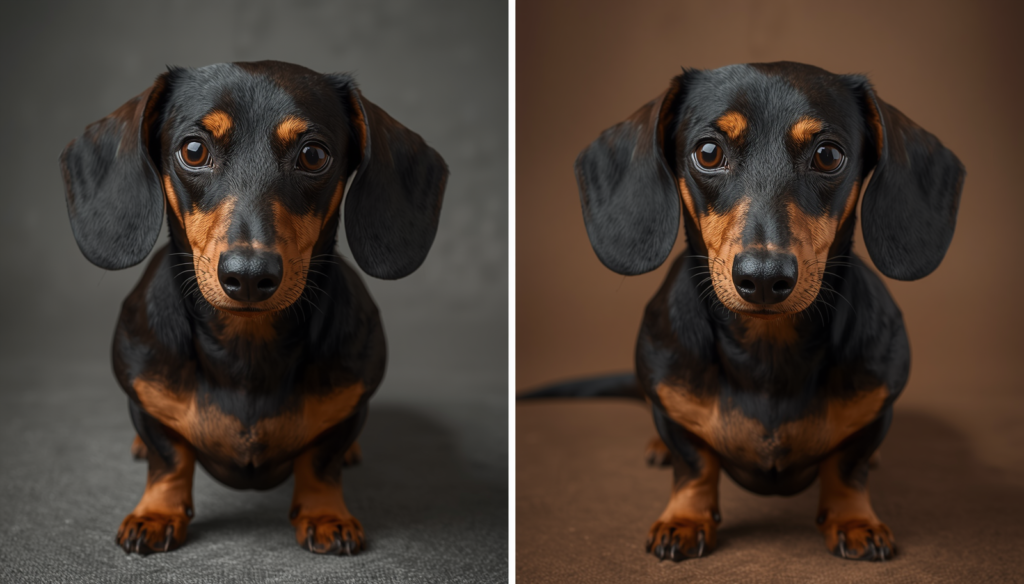
- You can feel (but not see) your dachshund’s ribs without pressing hard
- A visible waist tuck appears when viewed from above
- Energy levels improve overweight dachshunds are often lethargic because movement is harder
- Monthly weigh-ins show consistent 1–3% body weight reduction
- Your vet confirms a lower Body Condition Score at the next checkup
Personal Note From Experience
I’ve spent a lot of time researching dog nutrition for breeds with structural vulnerabilities, and the dachshund situation hits differently. These dogs are so expressive, so emotionally attuned to their owners, that they’ve essentially trained us to feed them too much. I didn’t overfeed Bruno out of negligence I did it out of love. The fix wasn’t discipline; it was information. Once I switched to the best dog food for overweight dachshunds (in Bruno’s case, Hill’s w/d with vet supervision), the difference in his movement within three months was remarkable. He was jumping again. He was playing again. That’s what the right food can do.
FAQ: Best Dog Food for Overweight Dachshunds
Q1: How do I know if my dachshund is actually overweight?
A simple rib test is a good place to start. If you can’t easily feel your Dachshund’s ribs without pressing firmly, or if there’s little to no visible waistline when viewed from above, your dog may be overweight. Your veterinarian can confirm this with a Body Condition Score (BCS) assessment.
Q2: Is prescription weight management food worth the cost?
For significantly overweight Dachshunds, prescription diets can be worthwhile because they are clinically formulated to support safe weight loss with controlled calories and balanced nutrition. For dogs that are only mildly overweight, a high-quality over-the-counter weight management food may also be effective when fed in the correct portions.
Q3: Can I give my overweight dachshund treats while they’re on a diet?
Yes, but treats should be low in calories and given in moderation. Healthy options include carrot sticks, cucumber slices, and blueberries. You can also use part of your dog’s daily kibble allowance as training rewards to avoid excess calories.
Q4: How long does it take for a dachshund to reach a healthy weight?
Most overweight Dachshunds reach a healthy weight within 3 to 6 months when losing weight at a safe rate of about 1–3% of their body weight per month. Gradual weight loss helps preserve muscle mass and supports spinal health.
Q5: Should I consult my vet before switching to a weight management food?
Yes. It’s always best to consult your veterinarian before changing your Dachshund’s diet, especially if your dog has existing medical conditions. Your vet can recommend the most appropriate weight management food based on your dog’s age, health, and weight-loss goals.
